
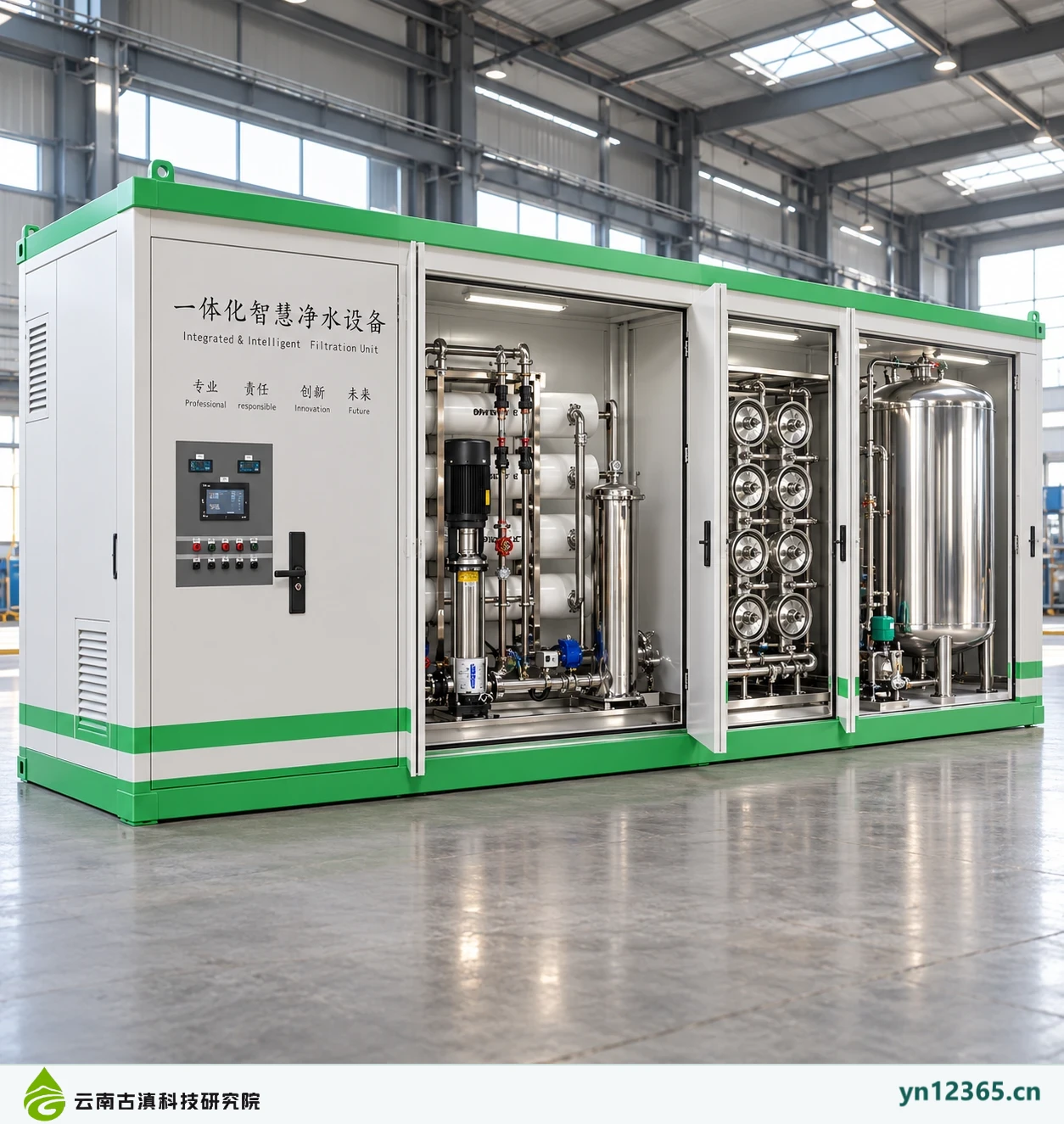
Find product information, equipment illustrations, and explanations of project proposals by intended use. Covering the existing 30 product categories, this guide discusses selection, maintenance, and handover separately to avoid choosing a design solely from an equipment name or scene image.
The galleries contain AI-assisted illustrations, and the project proposal explanations are not completed project case studies. This article offers no fixed promises about water production, service life, savings, or compliance. Specific models and actual projects require separate verification.
Find selection and maintenance articles by product
- Quartz sand filter media:Selecting quartz sand: grading, media loading, and backwash conditions
- Manganese filter media:Before choosing manganese filtration: iron and manganese testing and process conditions
- Activated carbon filter media:Selecting activated carbon: matching adsorption requirements, batches, and maintenance
- Water softening resin:Buying or replacing softening resin: hardness requirements and regeneration records
- Water softener salt:Buying and storing softener salt: more than granule size
- Melt-blown polypropylene filter cartridges:Choosing replacement PP cartridges: dimensions, connections, and filtration ratings
- Filter bags for bag filters:Choosing filter bags: bag type, materials, and sealing
- RO membranes:Choosing RO membranes: model, feedwater, and operating baseline
- Ultrafiltration membranes (UF):UF and RO membranes: distinguish particle removal from dissolved-salt removal
- Nanofiltration membranes (NF):Evaluating NF membranes: target constituents and test conditions
- MBR membranes and hollow-fiber membranes:Replacing MBR modules: coordinating biological treatment and membrane maintenance
- Ceramic membranes:Choosing ceramic membranes: materials, pore size, and operating limits
- Antiscalants:Choosing an RO antiscalant: raw water and concentration conditions first
- Polyaluminum chloride (PAC):Buying PAC coagulants: comparing applications, batches, and test documents
- Polyacrylamide (PAM):Choosing PAM flocculants: matching type, process, and safety documents
- Reducing agents:Reducing agents in membrane systems: dechlorination requirements and compatibility
- Biocides:Choosing water treatment biocides: permitted uses, materials, and site management
- Membrane cleaning chemicals:Choosing membrane cleaning chemicals: fouling assessment, material compatibility, and follow-up testing
- pH adjustment chemicals:pH adjustment resources: measurement, control objectives, and safety handover
- Phosphorus and ammonia-nitrogen removal chemicals:Phosphorus and ammonia-nitrogen removal chemicals: why the two tasks need separate assessment
- UV lamps and quartz sleeves:Maintaining UV lamps and quartz sleeves: compatibility and disinfection conditions
- Ozone generators and accessories:Selecting ozone generators and accessories: intended use and site safety conditions
- Chlorine dioxide generators and feedstock:Purchasing and handing over chlorine dioxide equipment: feedstock and responsibilities
- Chlorine tablets and slow-release disinfectants:Buying chlorine tablets and slow-release disinfectants: product information, applications, and storage
- Integrated water treatment equipment for highland locations:Choosing integrated highland water treatment equipment: what to check beyond the enclosure
- RO pure-water equipment for highland locations:Highland RO pure-water equipment: assessing raw water, temperature, and downstream use together
- Boiler water softening equipment:Choosing boiler water softening equipment: distinguish softening from overall make-up water requirements
- Water treatment equipment for centralized rural supply:Planning rural centralized water treatment: acceptance from source to point of use
- Commercial drinking-water purifiers:Configuring commercial drinking-water purifiers: supply points, peaks, and maintenance
- Fertigation machine:Integrating fertigation equipment: water sources, irrigation zones, and control handover
Galleries by equipment and setting
- RO and EDI equipment gallery: how to examine membrane racks, controls, and connections
- Filtration and softening equipment gallery: understanding vessels, valves, and ultrafiltration layouts
- Cabinet and integrated water purification equipment gallery: comparing enclosed exteriors and internal layouts
- Commercial water purification and drinking water outlet gallery: filter housings, storage, and upright designs
- Integrated and containerized water purification equipment gallery: enclosure layouts and site provisions
- Water purification plant room and complete system gallery: storage, filtration, and maintenance access
- Flower, blueberry, and agricultural water use gallery: storage, treatment, and irrigation settings
View project proposal explanations by use
- School centralized water supply proposal explained: drinking water points, peak demand, and management responsibilities(Not a completed project case study)
- Hotel and guesthouse water supply proposals explained: planning guest rooms, kitchens, and ice making separately(Not a completed project case study)
- Healthcare facility water requirements explained: checking domestic water use and dedicated equipment requirements separately(Not a completed project case study)
- Restaurant and food processing water treatment proposals explained: matching uses, equipment, and testing(Not a completed project case study)
- Factory and industrial park water supply proposals explained: designing process makeup water and domestic water separately(Not a completed project case study)
- Boiler makeup water proposals explained: connecting regeneration, changeover, and acceptance documentation(Not a completed project case study)
- Flower growing water supply proposals explained: planning storage, treatment, and irrigation together(Not a completed project case study)
- Water supply proposals for soilless blueberry cultivation explained: linking raw water and irrigation management(Not a completed project case study)
- Community and rural water supply proposals explained: checking treatment outlets and users' points of use(Not a completed project case study)
- Existing water purification system modification proposals explained: recording retention limits, changes, and retesting(Not a completed project case study)
Turn what you read into a clear inquiry
Gather the raw water source and testing, actual uses, daily consumption and peak demand, downstream equipment requirements, and site conditions. State the source and date of the information, and leave unknowns pending confirmation. Remove unrelated customer and personal information before submitting. Confirm supply, installation, commissioning, testing, and maintenance scopes separately.
Knowledge and resources · Browse equipment and consumables · Submit requirements
Content note:Prepared with AI assistance and checked against existing product category information and illustrations on October 4, 2026. This article supports discussions of requirements and documentation; it is not testing, licensing, a quotation, or evidence of results for a corresponding model. Confirm implementation according to product documents, actual operating conditions, and applicable requirements.