
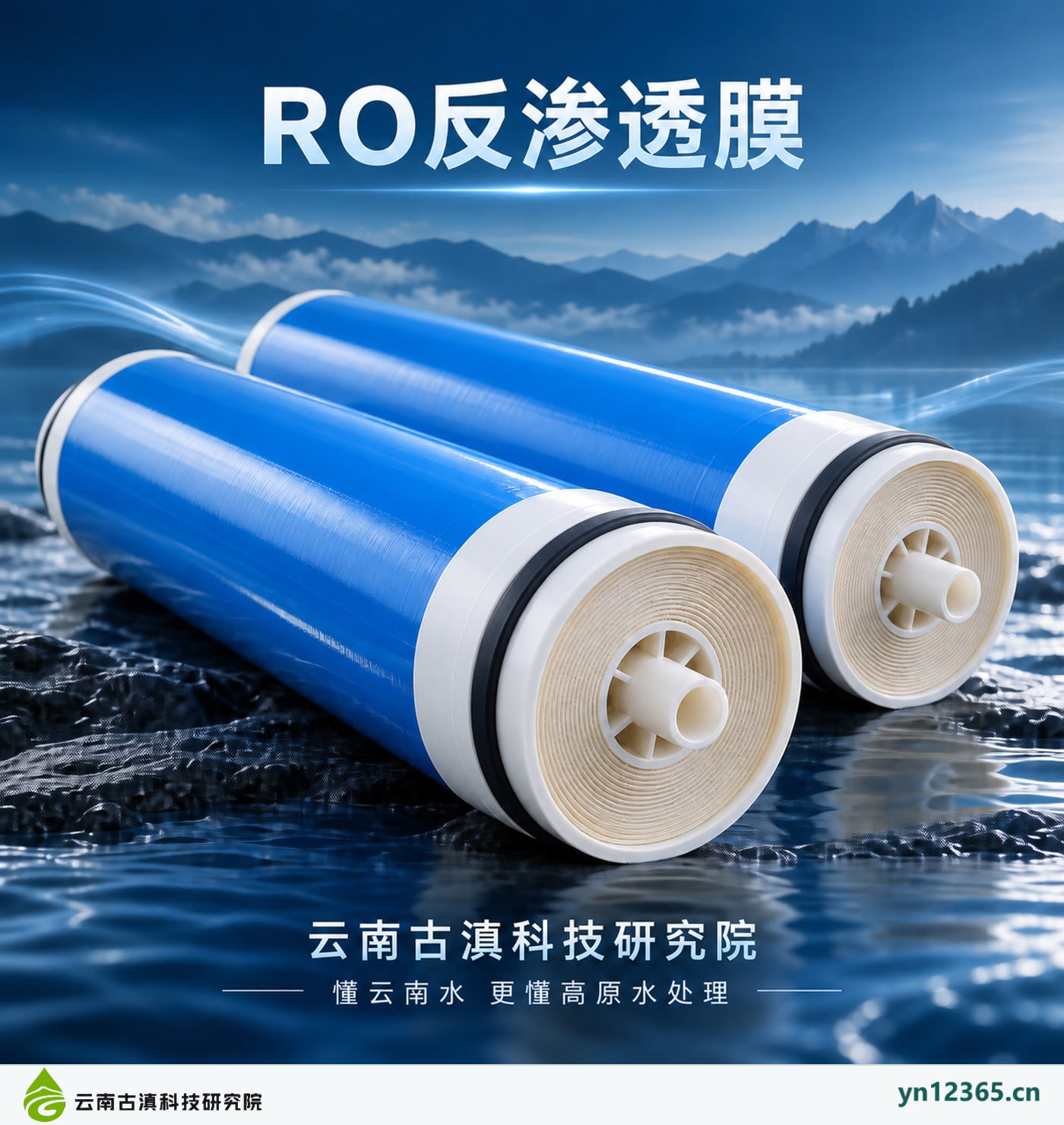
RO membranes usually perform separation to reduce dissolved salts. Component datasheets provide information obtained under specified conditions and cannot directly become promises about a complete system's on-site production capacity, salt rejection, or service life. Establish a comparable operating baseline before changing models.
Do not omit the complete model designation from an inquiry
Provide the membrane element model, quantity, housing and system connections, raw water testing, and downstream requirements. Membrane elements with similar shapes may have different permitted conditions and design uses. When confirming a candidate product, keep the supply source, model documents, and supporting system design in the same version.
Performance comparisons must consider operating conditions
Changes in pressure, temperature, raw water composition, and operating conditions affect water production and rejection performance. Record the relevant feedwater, permeate, and concentrate data. Do not directly compare isolated values obtained under different conditions. Where the manufacturer's normalization method applies, maintenance personnel should analyze the data according to the corresponding documents.
Troubleshoot before deciding on cleaning or membrane replacement
Check pretreatment, residual chlorine or oxidant management, pressure differential, and operating trends. Cleaning and replacement need supporting evidence of the cause and compatibility. Do not copy chemical types, concentrations, or procedures from general articles. Confirm whether the action was effective only after restart results and downstream water quality have been checked.
| Item to check | Required supporting information |
|---|---|
| Model documentation | Membrane element documents, housing compatibility, and source |
| Operating baseline | Feedwater, permeate, concentrate, time, and operating conditions |
| Maintenance decision | Pretreatment checks, cause analysis, and retesting |
Frequently asked questions
Is the production capacity in a membrane datasheet a guarantee for the complete system?
No. The complete system's performance also needs confirmation against element quantity, design, feedwater, and on-site operating conditions.
Products and related resources
Selection and gallery guide for all products · Describe your actual water requirements
Reference resources and limits of applicability
DuPont RO technical resources. General resources help explain treatment duties. They do not establish that models supplied by this website use that brand, have its authorization, or meet the requirements of a specific project.
Content note:Prepared with AI assistance and checked against existing product category information and illustrations on October 4, 2026. This article supports discussions of requirements and documentation; it is not testing, licensing, a quotation, or evidence of results for a corresponding model. Confirm implementation according to product documents, actual operating conditions, and applicable requirements.