Define this task first
Retain fault and action records for maintenance inquiries
If the existing system is abnormal, first record when the issue occurred, alarms, inlet and outlet records, and recent replacement or cleaning activity. Whether components need replacement or processes need adjustment should be decided after diagnosis and model checks.
Are there comparable operating records from before and after the abnormality?
What evidence should be captured first when output decreases?
Record when the abnormality occurred, water temperature, pressure and flow, inlet and outlet conductivity, and instrument condition. Also state whether raw water or production demand has changed. Alarm screenshots and values should correspond to the same period. Retain the original records first. A single value cannot directly establish membrane damage.
Specific membrane documents determine cleaning conditions
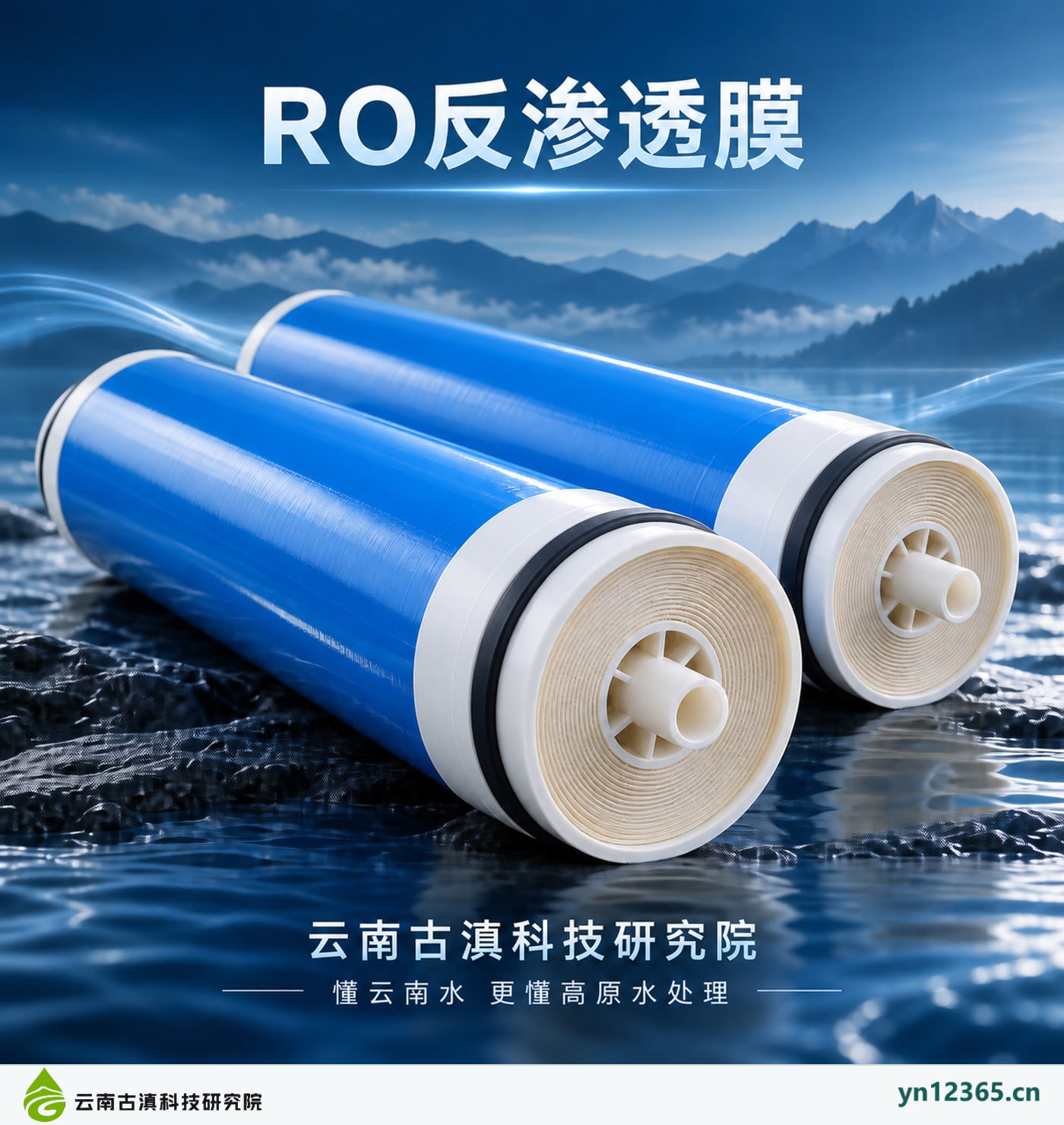
Provide the membrane model, permitted conditions, and previous cleaning and replacement records. Whether cleaning is needed, which method to use, and subsequent verification should follow the corresponding product documents and diagnosis. Generic chemical names or customary concentrations cannot replace site safety procedures.
Retest under the same conditions after restarting
Place before-and-after records from identical or comparable operating conditions together, identifying replaced components, cleaning, instrument adjustments, and downtime. Restored performance does not prove that every cause has been ruled out. The maintenance report should list confirmed items and matters still requiring observation.
Retain fault and model records before selecting repair spares
For thin-wall stainless steel water-pipe repair inquiries in Lincang, organize connection leakage, removal and replacement scope, and old-part models first. Personnel with the relevant skills must confirm site actions. The press-fit fitting spares list for Lincang should specify connection-end dimensions and tool series. Repressing or replacing seals is not a suitable remedy for every fault.
Keep measurements before and after an anomaly before deciding to clean
When output or differential pressure changes, record discovery time, recent starts and stops, source changes, chemical adjustments and instrument calibration. Retain temperature, pressure, flow and quality trends from the same points. Distinguish measurement changes, operating-condition changes and possible fouling before using the actual membrane manufacturer's normalization method and reviewing whether cleaning is appropriate. Use model-specific instructions for chemical, concentration, temperature, duration and material compatibility. No universal cleaning recipe is provided; compare results after cleaning under matching conditions.
Remote maintenance in Lincang: explain the fault and actions in time order
Record when the alarm occurred, operating conditions, checks performed, parts replaced and subsequent results, together with models and relevant photographs. Go beyond “not enough water” or “poor output”: pair instrument readings with sampling points so further tests or site checks can be identified. Remote advice is not evidence that the fault has been resolved.
Pipe and fitting integration information
Display of pipes, basic press-fit components, and threaded/flange adapters. Check specifications, connections, and supply responsibilities for the actual use.
Gudian Technology conducts the relevant business in Kunming, with remote discussions available for different regions. Supply, transportation, and site services are confirmed project by project. A general display does not indicate local stock, shops, or completed projects.
Information to bring to this discussion
The table below can serve as a checklist for this inquiry. Mark unavailable information "pending confirmation" and distinguish estimates from measured records. Do not upload identity documents, customer lists, or internal confidential materials.
| Discussion item | Information to prepare | Confirmation needed |
|---|---|---|
| Evidence of abnormalities | Time, alarms, pressure and flow, water temperature, and conductivity | Whether all data relate to the same operating conditions |
| Recent operations | Raw-water changes, parts replacement, cleaning, and instrument adjustments | How the timing of abnormalities relates to operations |
| Action record | Measures, person performing the work, and retesting under the same conditions | Scope of recovery and follow-up observations |
| Repair scope | Fault location, old-part series, operating records, and planned removal and replacement scope | Investigation responsibility and corresponding repair methods |
| Records before and after an anomaly | Timeline, temperature, pressure, flow, quality and recent operating changes | Whether conditions and fouling have been distinguished, and which conditions will be used for the post-cleaning comparison |
Expand the general inquiry and delivery checklist
- 01Project location
- Prefecture or city, district or county, intake point, equipment installation location, and whether different locations are involved. Do not upload identity documents or customer lists for an initial inquiry.
- 02Water source and testing
- Tap water, well water, surface water, or other sources; record sampling points, dates, testing organizations, and the report's applicable scope. Do not infer water quality from a city name.
- 03Treated-water use
- Production, cleaning, cultivation, drip irrigation, or other uses; provide the corresponding process, crop, or actual usage requirements. Acceptance requirements may differ by use.
- 04Demand and schedule
- Daily demand, peak hourly demand, permitted operating time, and storage arrangements. Mark values for confirmation when measured data are unavailable. Estimates must not be recorded as equipment guarantees.
- 05Equipment and site
- Existing equipment models, consumable specifications, power supply, space, drainage, operating environment, and site-access conditions. Equipment photos should avoid capturing personal or confidential information.
- 06Budget and delivery
- Specify the budget, supply list, transportation, unloading, installation, commissioning, acceptance, and after-sales scope. Timing and expenses are governed by the confirmations for this project.
- 07Plateau site and water temperature
- Actual installation altitude, seasonal feed-water temperatures, pump inlet pressure or water level, suction piping and power; review the specific model. Altitude is not a water-quality test.
- 08Sampling points and operating baseline
- Sampling locations, dates, units, temperature compensation, and normal and abnormal records. Keep raw water, treated water, nutrient solution and return water separate.
Continue to related guides
Information sources and service boundaries
The area guides organize enquiry topics; they do not establish this project’s water quality, local outlets, clients or deliveries. Technical references and identified local-industry reports have separate stated uses. Industry context is not Gudian project evidence. Supply and site services require confirmation per project.
Regional name reference Yunnan Provincial Department of Civil Affairs · Administrative Divisions ↗(The listed statistical tables are as of 2025-09-30; directory review date 2026-10-06). Technical content is written by Gudian Technology. Specific models, testing, delivery, and after-sales service depend on this project's confirmed documentation.
Technical references and local context
- DuPont FilmTec RO technical manual (August 2026, version 20) ↗
Reference for feed-water analysis, membrane-system design and temperature correction; it does not verify our system specifications or brand authorization.
- UMass Extension: greenhouse irrigation water analysis ↗
Reference for EC, pH, alkalinity and ion analysis; its guidance is not an acceptance threshold for a particular crop in Yunnan.
- Grundfos: suction conditions and cavitation checks ↗
Explains the need to compare available and required NPSH; the pump model, margin and site calculation require technical review.