Define this task first
Match equipment conditions to the specific installation site
If the installation site involves low temperatures, altitude, power supply conditions, or differences between indoor and outdoor settings, submit actual records and the equipment manufacturer's permitted conditions. A region's name cannot directly replace checks of temperature, pressure, or performance.
Do the manufacturer's permitted conditions match site records?
Which production data correspond to the water temperature records?
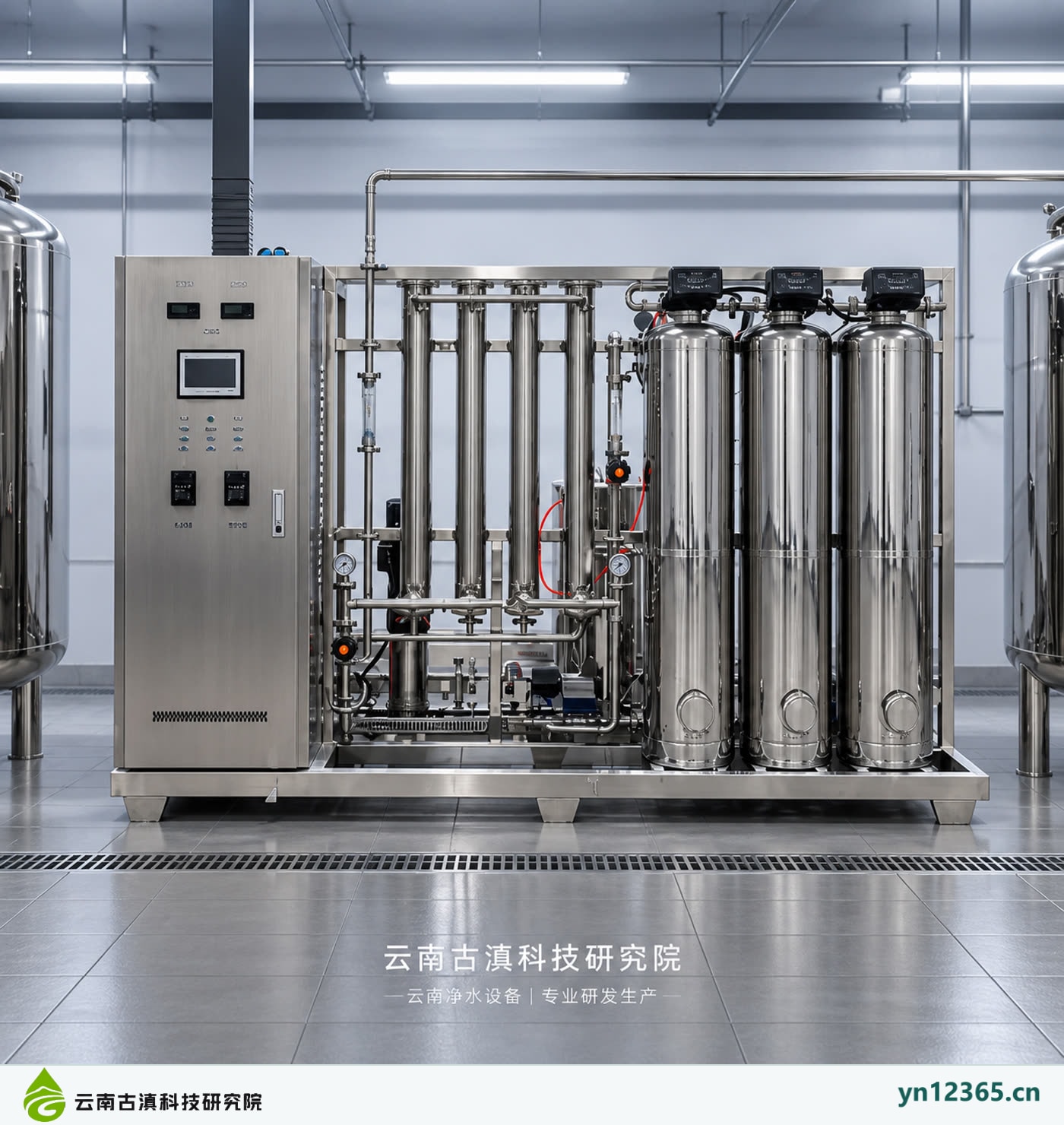
Retain feedwater temperature, sampling period, flow, pressure, conductivity, and other operating records. Compare the main unit's nominal conditions with actual conditions. Do not diagnose a fault directly from a single production difference or apply one fixed temperature correction factor to every model yourself.
Record environment and power supply for the actual location
Record indoor or outdoor arrangements, operating temperature, power supply conditions, installation space, and drainage method. If the site involves altitude or temperature differences, provide actual data and check manufacturer-permitted conditions. A name such as suitable for high altitudes cannot replace equipment documents and site verification.
Where should shutdown protection and restart procedures come from?
For intermittent operation, transport, or prolonged shutdowns, obtain protection requirements for the corresponding membranes, pumps, piping, and control systems. Models and site conditions determine whether specific measures are needed. General consultation resources do not replace site safety operating procedures.
Include special site conditions in purchasing information
Thin-wall stainless steel water pipe consultations in Diqing should provide the actual installation location, piping environment, and design temperature, rather than just the city name. If press-fit fitting selection in Diqing involves insulation, freeze protection, or transport limitations, list those requirements separately and check material and seal instructions. Do not infer uniform performance from altitude or region.
Assess limits using measured feed temperature and pump-inlet data
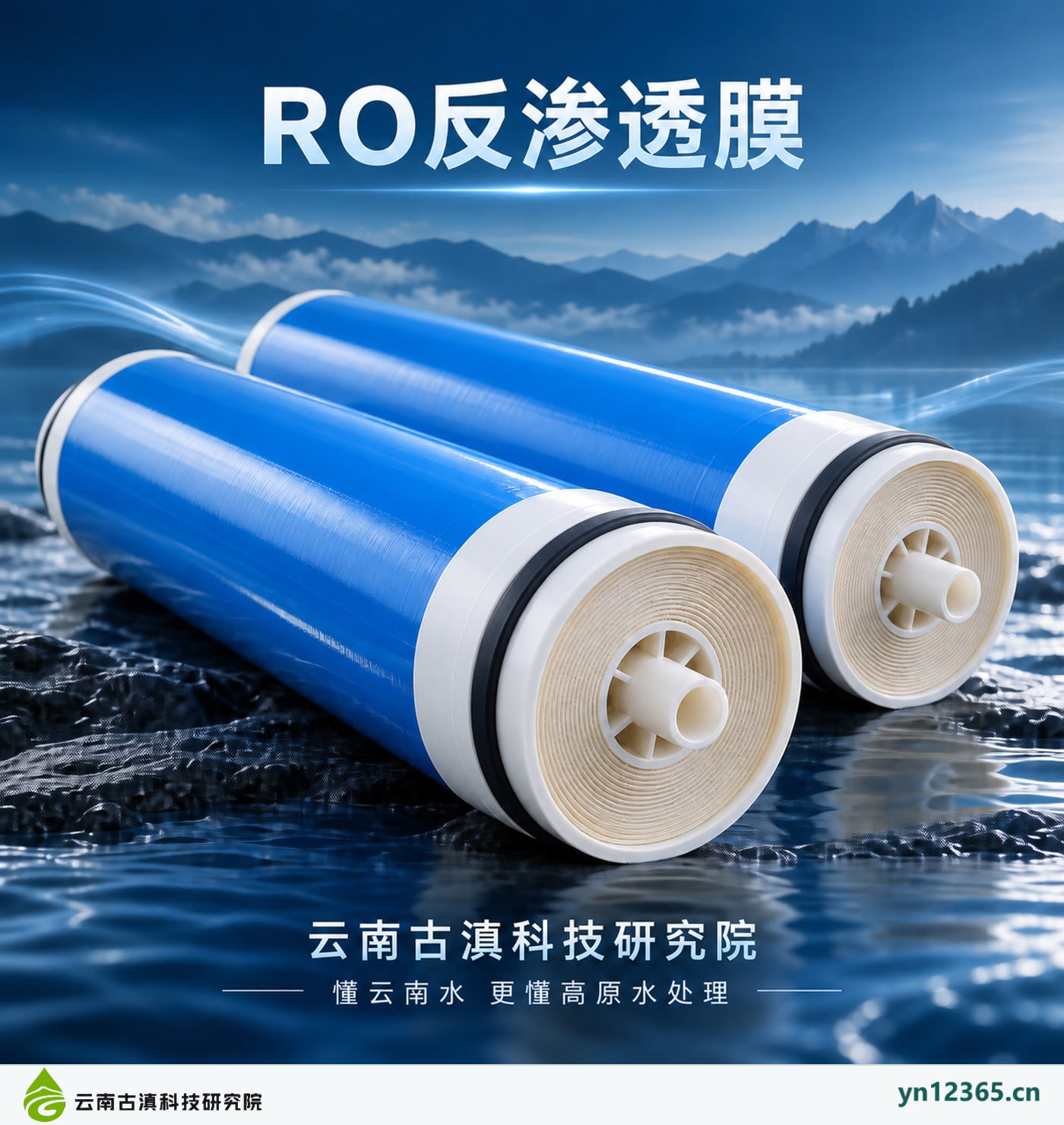
Record feed temperature at different times, tank level, pump-inlet pressure and installation elevation, distinguishing gauge pressure from absolute pressure. Compare RO output changes using temperature, pressure and water quality under the manufacturer's method. Review pump suction using actual atmospheric pressure, pipe losses and the manufacturer's required net positive suction head. A regional name, an altitude label or an equipment photograph alone does not justify a uniform low-temperature output guarantee or a pump-inlet safety conclusion.
Plateau sites in Diqing: confirm water temperature and pump suction separately
Record the installation altitude, seasonal water-temperature range, inlet pressure or water level, suction piping and power supply. State temperature and feed-water conditions when comparing RO output; review the pump curve and NPSH as well. Altitude is a site input, not a water-quality result or a guarantee that output will remain unchanged.
Pipe and fitting integration information
Display of pipes, basic press-fit components, and threaded/flange adapters. Check specifications, connections, and supply responsibilities for the actual use.
Gudian Technology conducts the relevant business in Kunming, with remote discussions available for different regions. Supply, transportation, and site services are confirmed project by project. A general display does not indicate local stock, shops, or completed projects.
Information to bring to this discussion
The table below can serve as a checklist for this inquiry. Mark unavailable information "pending confirmation" and distinguish estimates from measured records. Do not upload identity documents, customer lists, or internal confidential materials.
| Discussion item | Information to prepare | Confirmation needed |
|---|---|---|
| Actual operating conditions | Water temperature, sampling time, inlet and outlet water, and operating records | Whether these can be compared directly with nominal conditions |
| Installation environment | Site temperature, power supply, space, and drainage | Whether manufacturer-permitted ranges are met |
| Maintenance and protection | Model documents, shutdown duration, and restart requirements | Measures, personnel carrying them out, and acceptance records |
| Environmental conditions | Site temperature information, indoor or outdoor location, insulation, and transport requirements | Design measures and specific product conditions of applicability |
| Evidence for low temperature and pump suction | Feed temperature, liquid level, pressure reference, installation elevation and pump curve | Method for comparing low-temperature output, and who reviews suction conditions |
Expand the general inquiry and delivery checklist
- 01Project location
- Prefecture or city, district or county, intake point, equipment installation location, and whether different locations are involved. Do not upload identity documents or customer lists for an initial inquiry.
- 02Water source and testing
- Tap water, well water, surface water, or other sources; record sampling points, dates, testing organizations, and the report's applicable scope. Do not infer water quality from a city name.
- 03Treated-water use
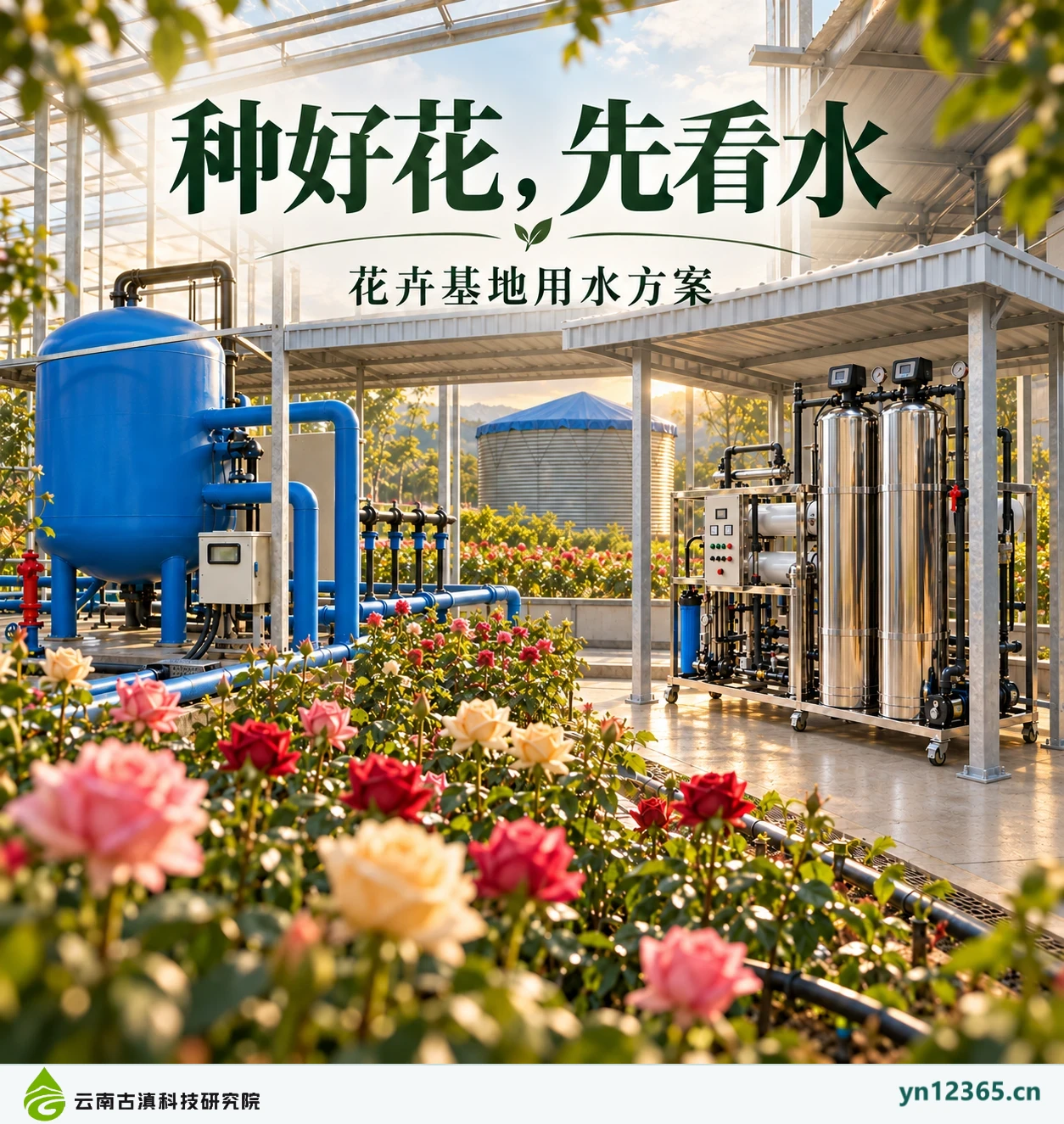
- Production, cleaning, cultivation, drip irrigation, or other uses; provide the corresponding process, crop, or actual usage requirements. Acceptance requirements may differ by use.
- 04Demand and schedule
- Daily demand, peak hourly demand, permitted operating time, and storage arrangements. Mark values for confirmation when measured data are unavailable. Estimates must not be recorded as equipment guarantees.
- 05Equipment and site
- Existing equipment models, consumable specifications, power supply, space, drainage, operating environment, and site-access conditions. Equipment photos should avoid capturing personal or confidential information.
- 06Budget and delivery
- Specify the budget, supply list, transportation, unloading, installation, commissioning, acceptance, and after-sales scope. Timing and expenses are governed by the confirmations for this project.
- 07Plateau site and water temperature
- Actual installation altitude, seasonal feed-water temperatures, pump inlet pressure or water level, suction piping and power; review the specific model. Altitude is not a water-quality test.
- 08Sampling points and operating baseline
- Sampling locations, dates, units, temperature compensation, and normal and abnormal records. Keep raw water, treated water, nutrient solution and return water separate.
Continue to related guides
Information sources and service boundaries
The area guides organize enquiry topics; they do not establish this project’s water quality, local outlets, clients or deliveries. Technical references and identified local-industry reports have separate stated uses. Industry context is not Gudian project evidence. Supply and site services require confirmation per project.
Regional name reference Yunnan Provincial Department of Civil Affairs · Administrative Divisions ↗(The listed statistical tables are as of 2025-09-30; directory review date 2026-10-06). Technical content is written by Gudian Technology. Specific models, testing, delivery, and after-sales service depend on this project's confirmed documentation.
Technical references and local context
- DuPont FilmTec RO technical manual (August 2026, version 20) ↗
Reference for feed-water analysis, membrane-system design and temperature correction; it does not verify our system specifications or brand authorization.
- UMass Extension: greenhouse irrigation water analysis ↗
Reference for EC, pH, alkalinity and ion analysis; its guidance is not an acceptance threshold for a particular crop in Yunnan.
- Grundfos: suction conditions and cavitation checks ↗
Explains the need to compare available and required NPSH; the pump model, margin and site calculation require technical review.