
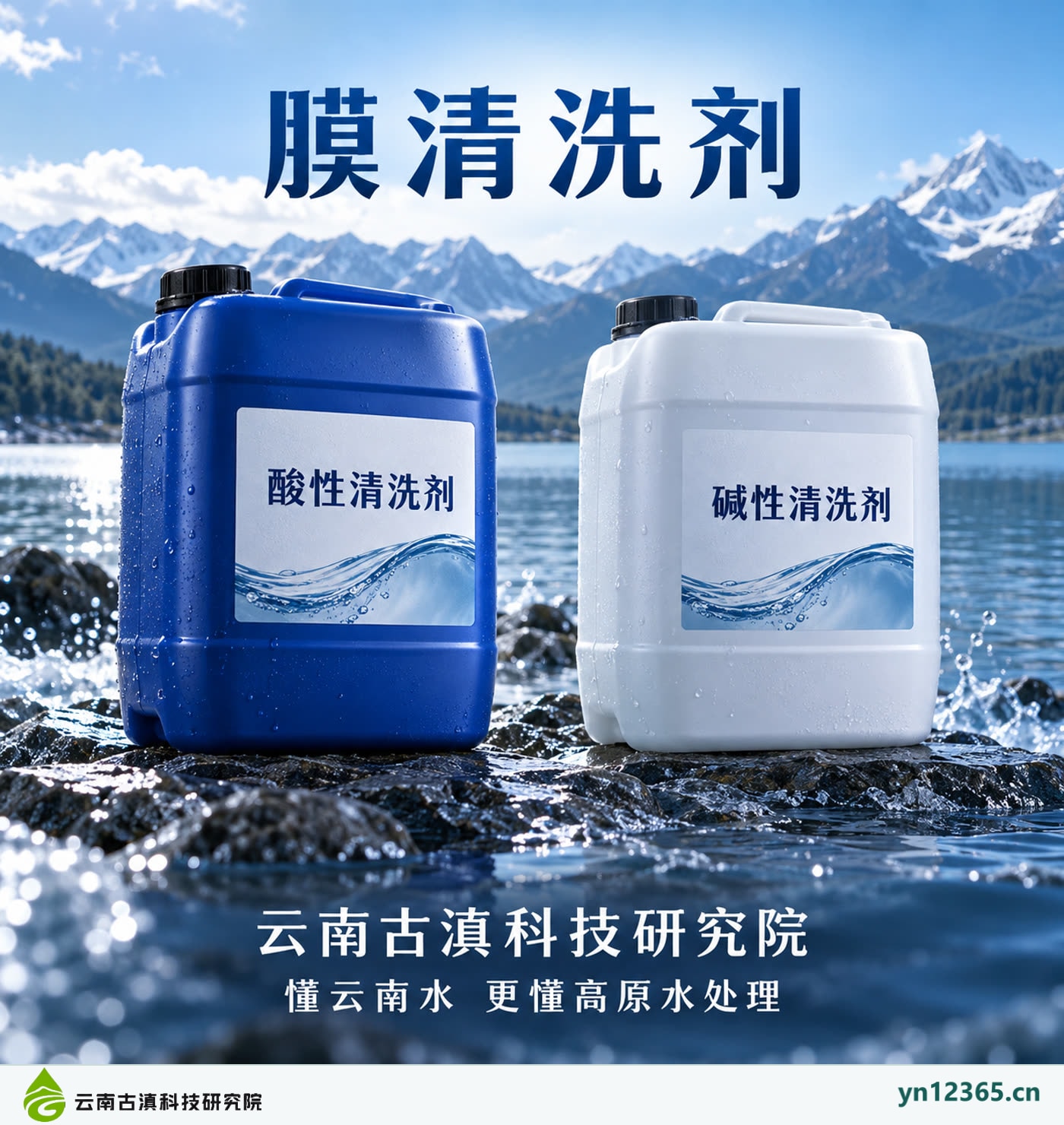
Cleaning chemical selection should be based on actual membrane system information and analysis of abnormalities. A change in water production does not establish the fouling type. Do not copy cleaning formulations from general articles or arbitrarily increase concentrations to pursue a recovery figure.
Record the causes of changes clearly before cleaning
Gather feedwater changes, temperature, pressure, permeate and concentrate records, and pretreatment maintenance. First check instruments and operating conditions, then discuss possible fouling and the need for cleaning. If an existing system lacks a baseline, first add comparable records. Do not conclude that a membrane has failed from a single temporary reading.
Confirm chemical and membrane documents together
The chemical model, safety data sheet, applicable fouling types, and permitted conditions for membranes and seals jointly determine operating limits. Corresponding documents and personnel should determine preparation, temperature, contact time, and waste liquid handling. The terms acid cleaning or alkaline cleaning cannot replace a specific assessment.
Review results under comparable conditions
Record operating conditions before and after cleaning, restart steps, and necessary water quality data. Even if water production changes in the short term, also check other parameters and subsequent operating trends. Retain the basis for decisions and records of execution. Do not promise that cleaning will restore performance to that of a new product or provide a fixed service life.
| Item to check | Required supporting information |
|---|---|
| Evidence of abnormalities | Operating trends, feedwater changes, and pretreatment changes |
| Compatibility documents | Chemicals, membranes, seals, and safety data sheets |
| Retesting evidence | Comparison under the same conditions, outlet water, and subsequent trends |
Frequently asked questions
Should a drop in water production lead to immediate acid cleaning?
Do not act directly on that basis. First check operating conditions, the cause of the abnormality, and applicable cleaning documents.
Products and related resources
Selection and gallery guide for all products · Describe your actual water requirements
Content note:Prepared with AI assistance and checked against existing product category information and illustrations on October 4, 2026. This article supports discussions of requirements and documentation; it is not testing, licensing, a quotation, or evidence of results for a corresponding model. Confirm implementation according to product documents, actual operating conditions, and applicable requirements.