
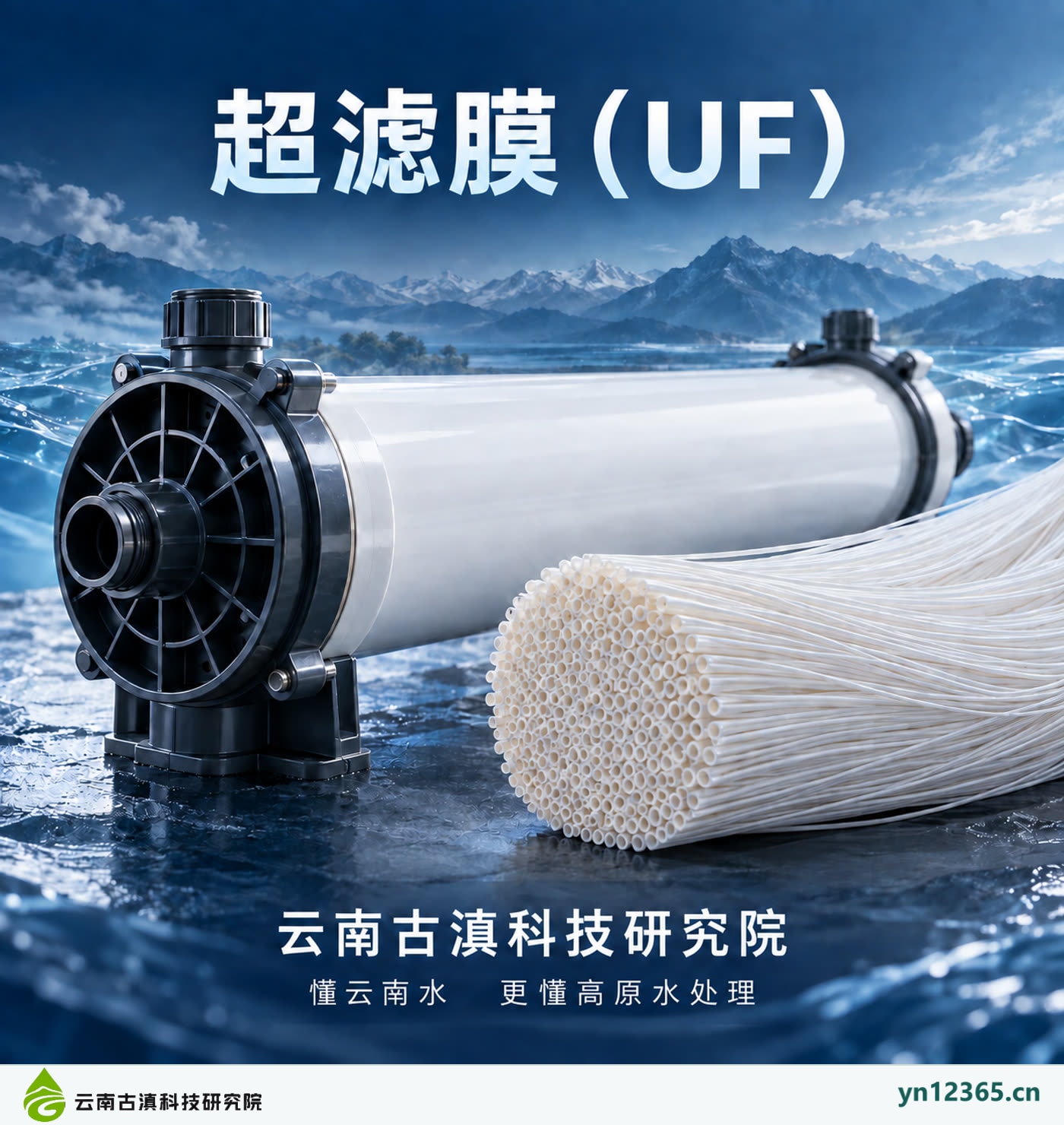
Ultrafiltration and reverse osmosis perform different separation duties. Ultrafiltration can be used for applicable particle and colloid retention stages, but is not a universal substitute for reducing dissolved salts. Selection starts with the raw water and target constituents, rather than the equipment name.
List the problems to be addressed first
Record turbidity or particle issues, dissolved-salt parameters, and downstream uses separately. Clear-looking water does not establish that other parameters meet requirements. Whether ultrafiltration, reverse osmosis, or other supporting processes are needed depends on the specific water quality and treatment duty.
Modules and maintenance methods must correspond
Check the complete model documentation for membrane material, module design, connections, and permitted conditions. Arrange cleaning, backwashing, and integrity management according to that module's requirements. Do not copy operating procedures from another membrane type or use a single equipment photograph to establish all membrane materials and capabilities.
Acceptance covers both components and the system
First check the delivered models, connections, and documents, then check actual operation and the corresponding water quality. Retain inlet and outlet water and maintenance records to help distinguish water source, system, and component factors when changes occur. Membrane element documents are not proof that the complete equipment or entire water supply process meets requirements.
| Item to check | Required supporting information |
|---|---|
| Separation targets | Describe particles and colloids separately from dissolved constituents |
| Module conditions | Complete model designation, materials, connections, and maintenance requirements |
| Verification evidence | Operation, testing, and necessary integrity records |
Frequently asked questions
Does installing ultrafiltration guarantee that the water can be drunk directly?
Installing ultrafiltration alone cannot support that conclusion. Check the complete treatment system and applicable testing against the actual use.
Products and related resources
Selection and gallery guide for all products · Describe your actual water requirements
Reference resources and limits of applicability
DuPont ultrafiltration technical resources. General resources help explain treatment duties. They do not establish that models supplied by this website use that brand, have its authorization, or meet the requirements of a specific project.
Content note:Prepared with AI assistance and checked against existing product category information and illustrations on October 4, 2026. This article supports discussions of requirements and documentation; it is not testing, licensing, a quotation, or evidence of results for a corresponding model. Confirm implementation according to product documents, actual operating conditions, and applicable requirements.
RO, ultrafiltration, and softening: compare by the problem to be addressed
| Method | Main treatment duty discussed | Further checks required |
|---|---|---|
| Ultrafiltration | Suspended particles and retention duties applicable to the membrane | Generally cannot perform total dissolved salt removal; the specific membrane documentation and system conditions govern |
| Reverse osmosis | Separation of dissolved salts and related constituents | Raw water, pretreatment, concentrate, and permitted operating conditions; the name alone cannot guarantee all aspects of water quality |
| Softening | Corresponding duties such as calcium and magnesium hardness control | Do not equate reduced hardness with reduced total salts; confirm regeneration and downstream uses separately |
Filtration, RO, and softening can be combined in a specific proposal, but each stage's purpose must be explained separately. Cleaning, solution preparation, nutrient solution preparation, and employee drinking water have different requirements.