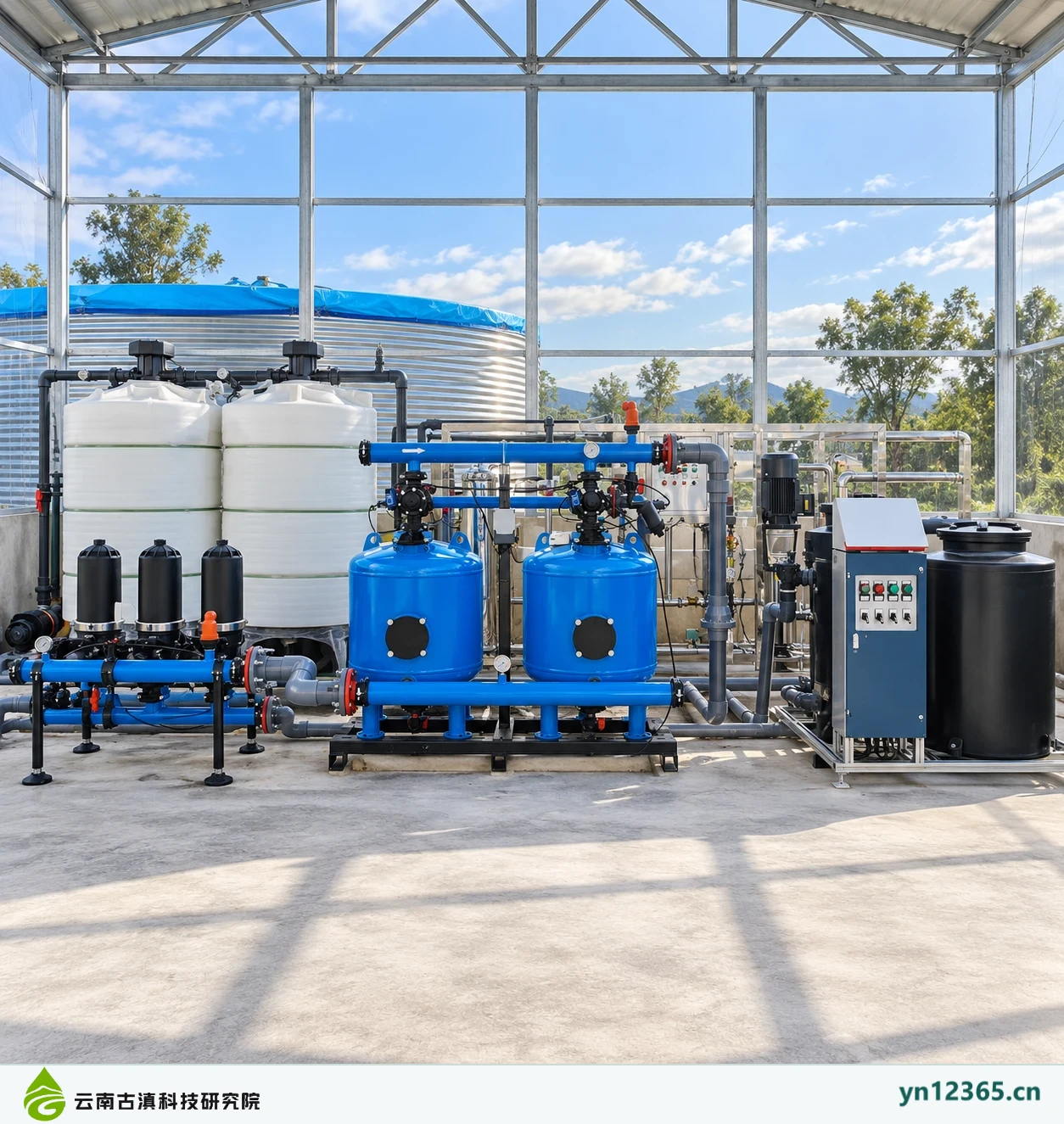
Specifications
| Documents to prepare | Crop and irrigation method, water source tests, demand at supply points, downstream requirements, and management conditions |
|---|---|
| Specific model and specifications | Check against the relevant product documents and actual conditions |
| Supply and services | Confirm source, quantity, delivery schedule, and responsibilities for each inquiry |
Fertigation equipment planning requires irrigation supply, filtration, fertilizer solution preparation, and fertilizer application controls to be assessed together. Gudian Technology discusses equipment arrangements based on raw-water and water-use conditions. Confirm models, configurations, and supply scope using the documents for this project.
Distinguish irrigation filtration from fertilizer application controls
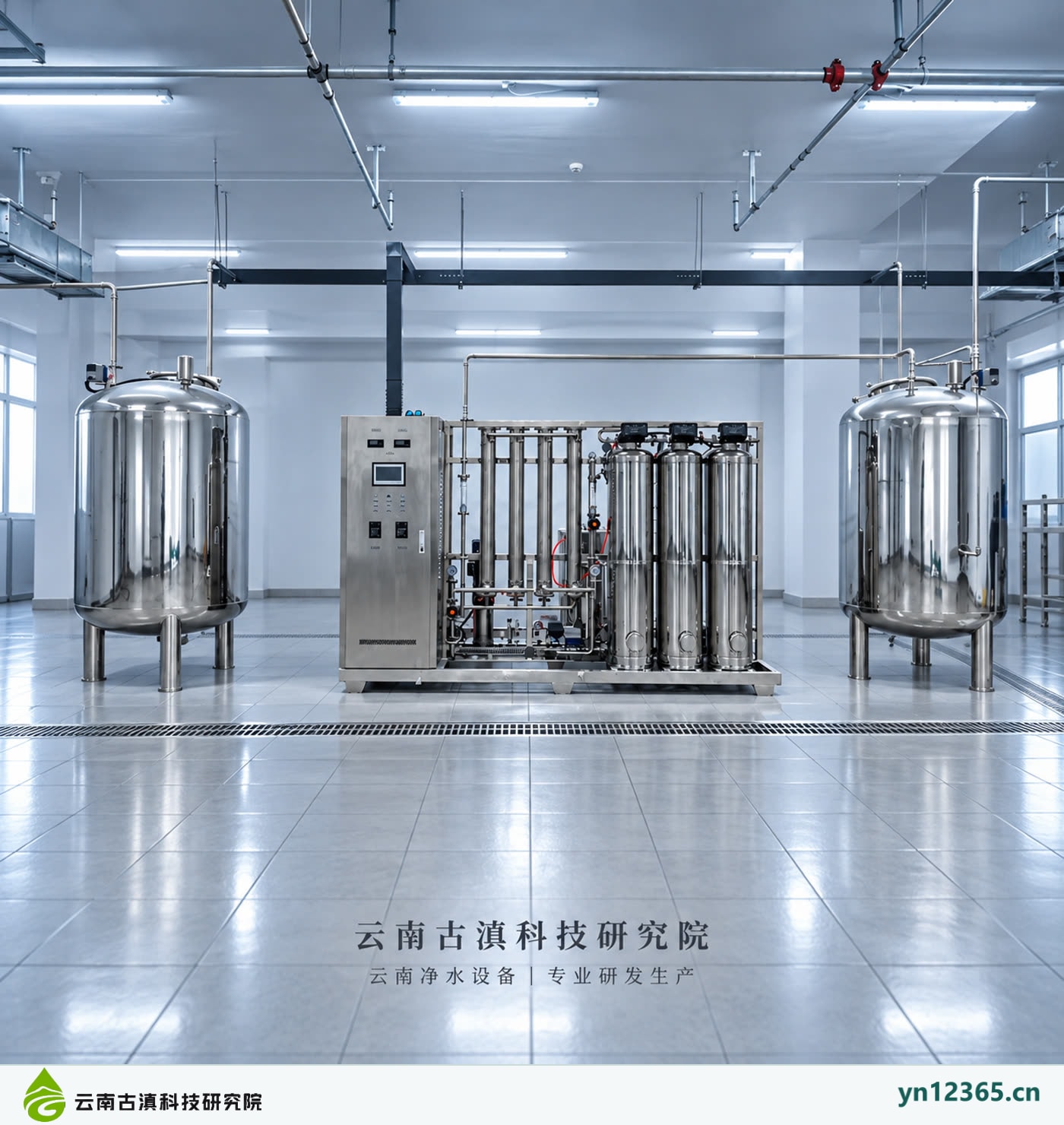
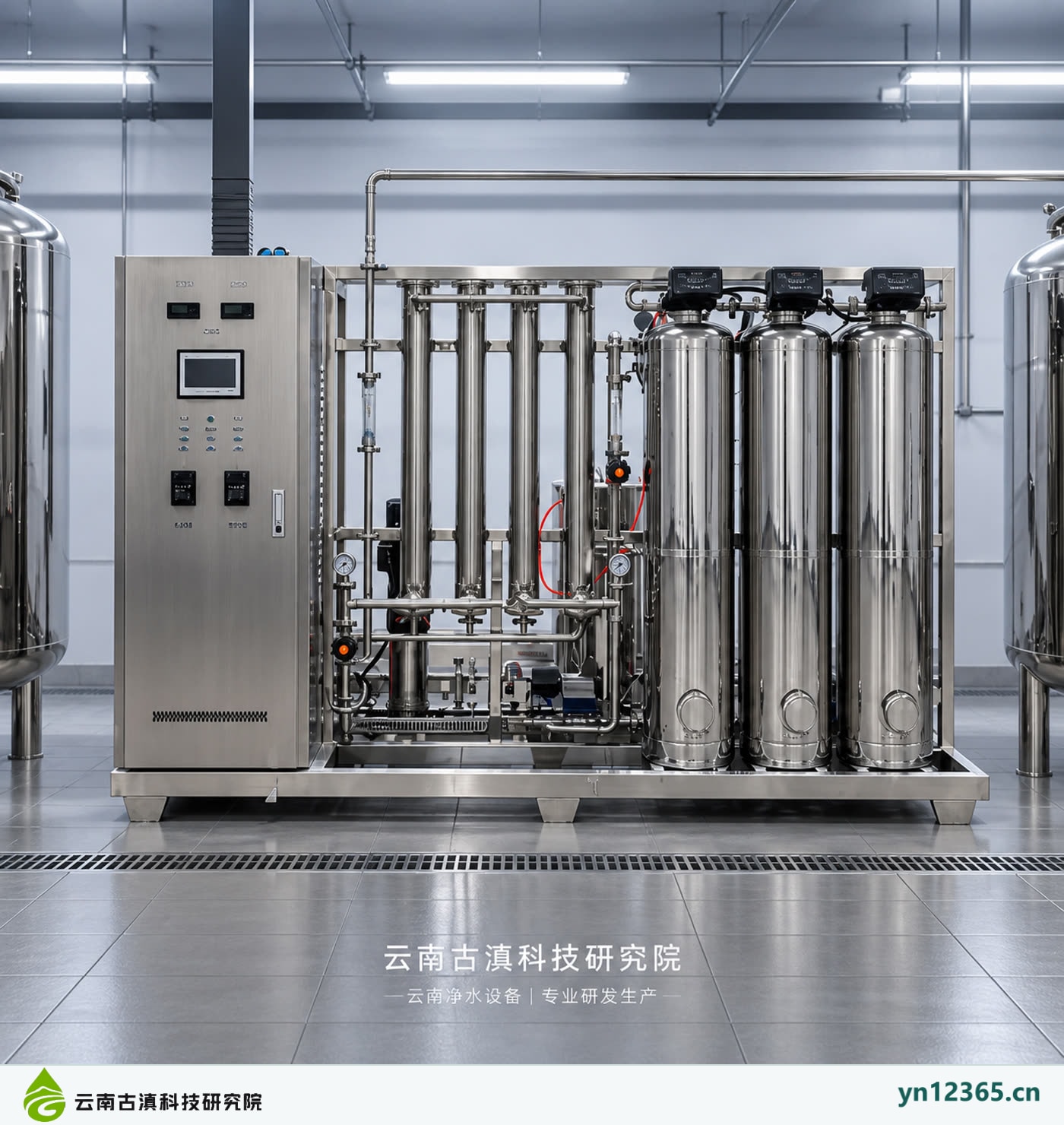
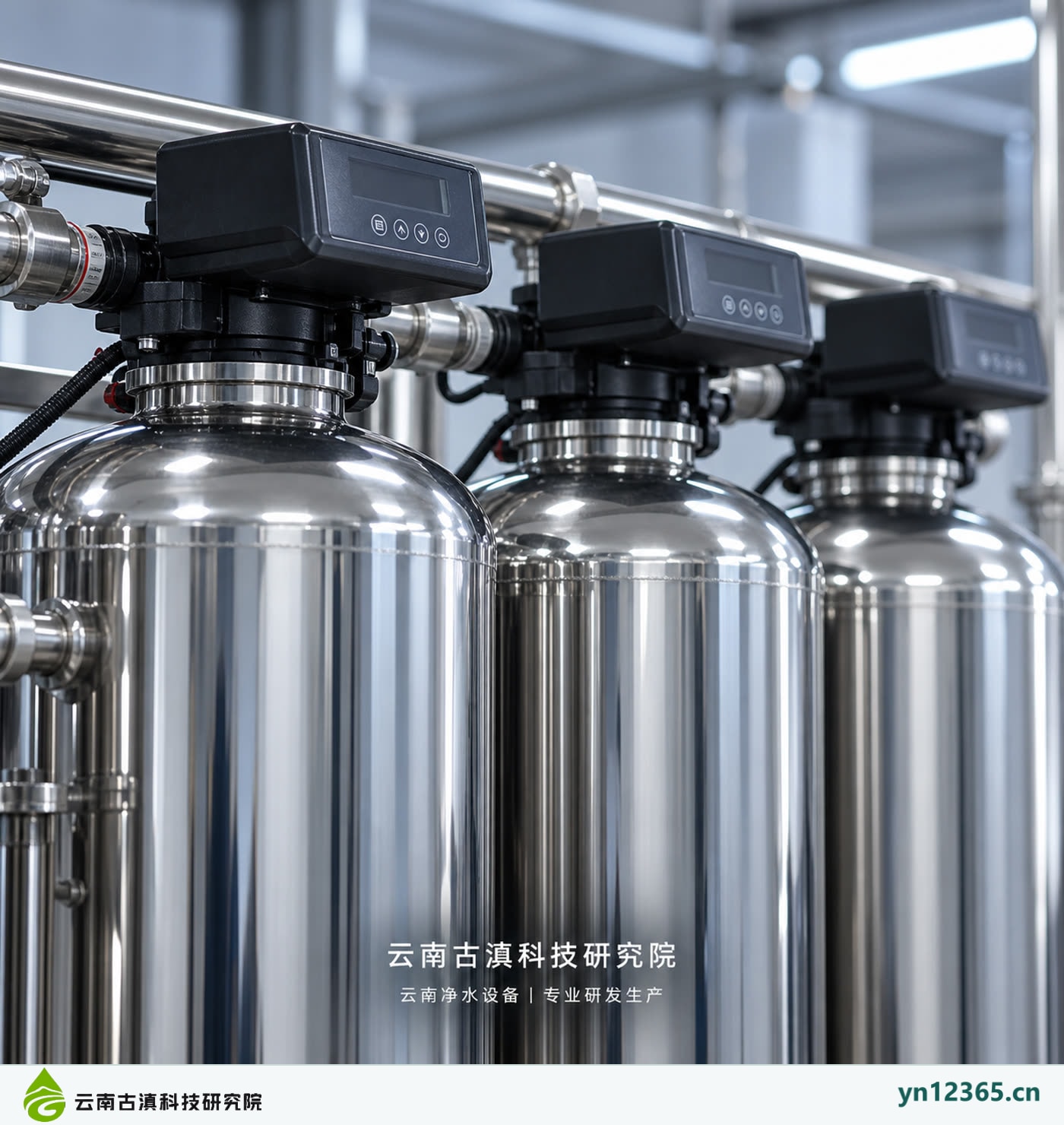
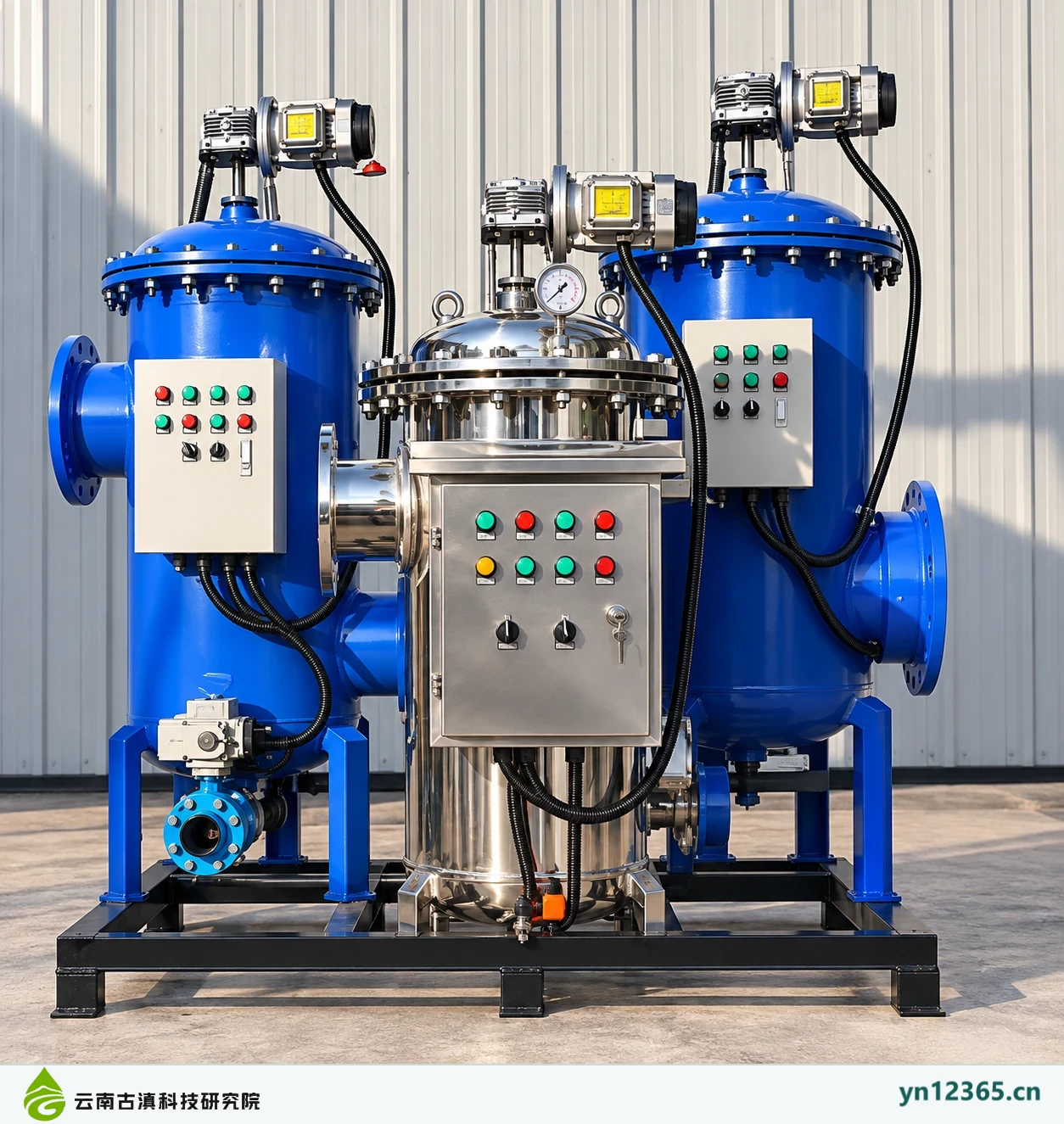
Filtration and fertilizer application perform different tasks. For filtration, check raw water, emitter requirements, and maintenance conditions. For fertilizer application, check fertilizer solutions, injection methods, and control and monitoring needs. Photographs of filter tanks or a control cabinet cannot establish the fertilizer application capabilities of the complete system.
Plan around cultivation and irrigation conditions
For greenhouses, flowers, soilless blueberry cultivation, or other crops, first describe the crop, cultivation method, irrigation zones, and water source. Assess the need for RO, UF, or other treatment against actual tests and downstream requirements. No single process is a fixed configuration for every cultivation setting.
Prepare these six groups of information before requesting a quotation
| Information | Details to provide |
|---|---|
| Crops and irrigation | Cultivation method, drip irrigation or other irrigation method, zones, and emitter documents. |
| Water source and testing | Water source, tested parameters, sampling time, and location; mark unknown details for confirmation. |
| Water supply conditions | Actual water-use periods, demand by zone, available flow and pressure data, and storage arrangements. |
| Fertilizer solutions and controls | Stock solutions, injection requirements, and control methods. List EC/pH measurement and control, remote functions, or alarms separately if required, and check them against model documents. |
| Site and maintenance | Equipment location, power, piping, drainage, maintenance access, and conditions for replacing filter media and filtration components. |
| Delivery scope | Equipment list, connection responsibilities, instructions, commissioning records, quotations, and service arrangements. |
Fertigation and filtration gallery
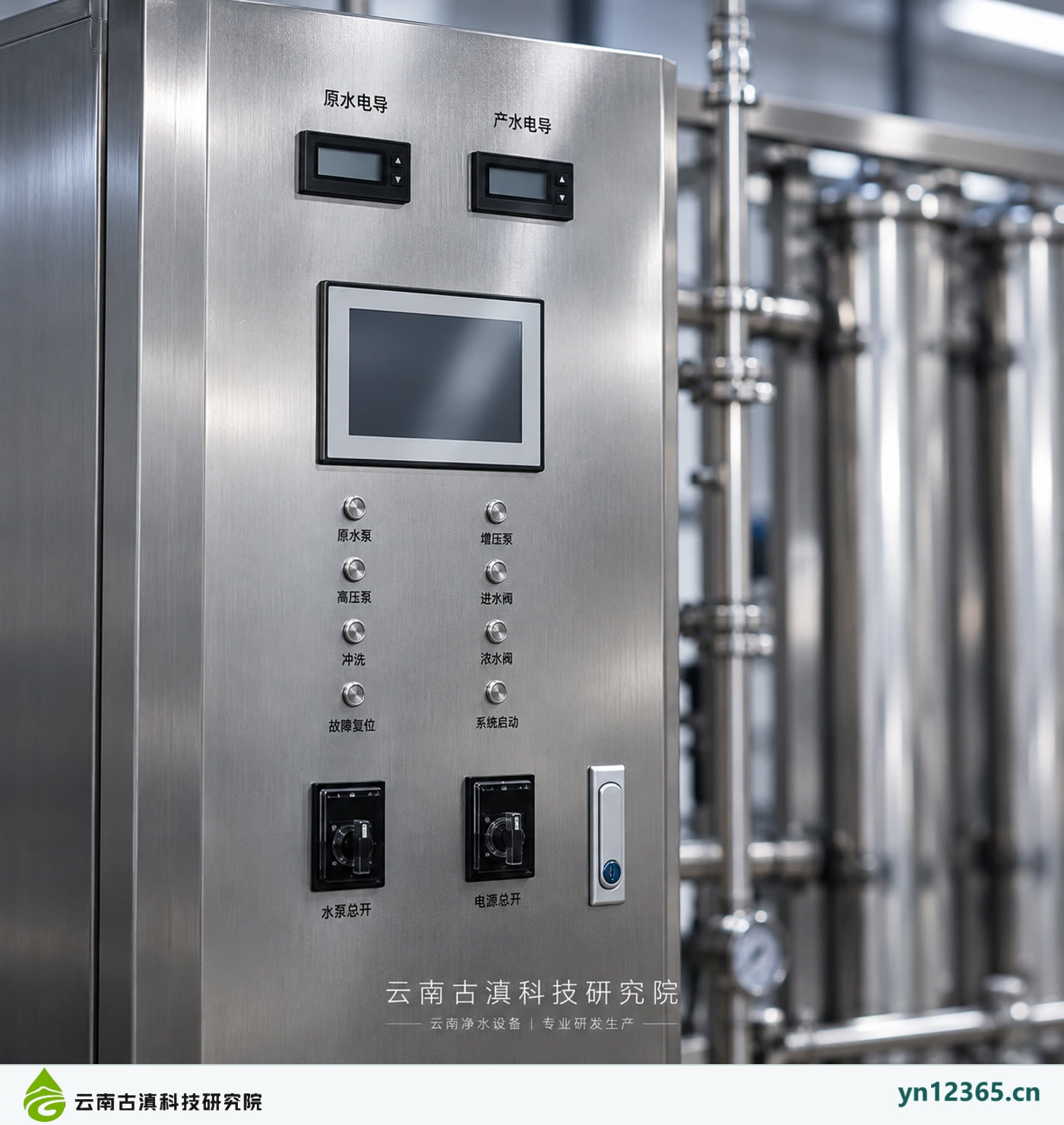
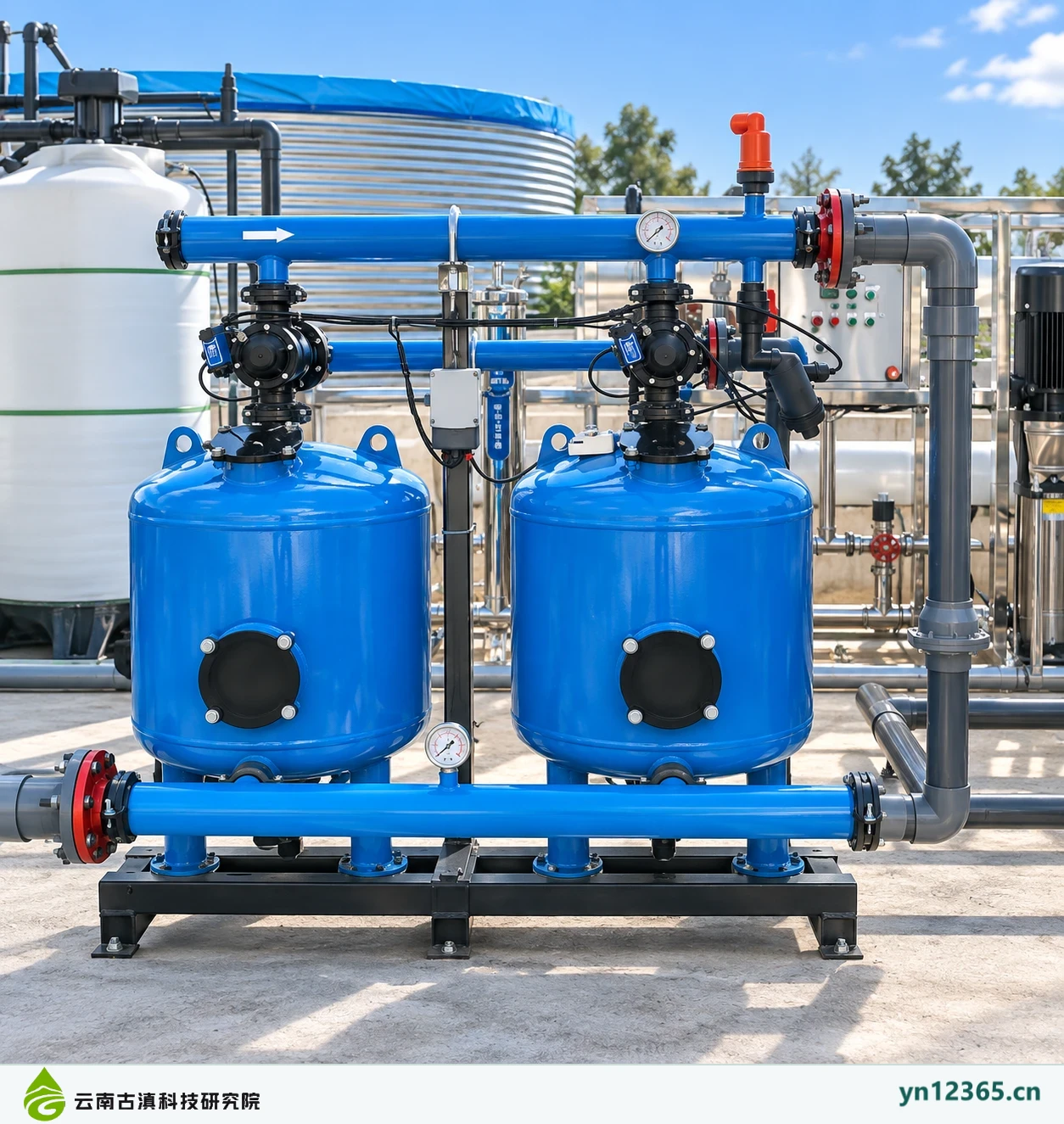
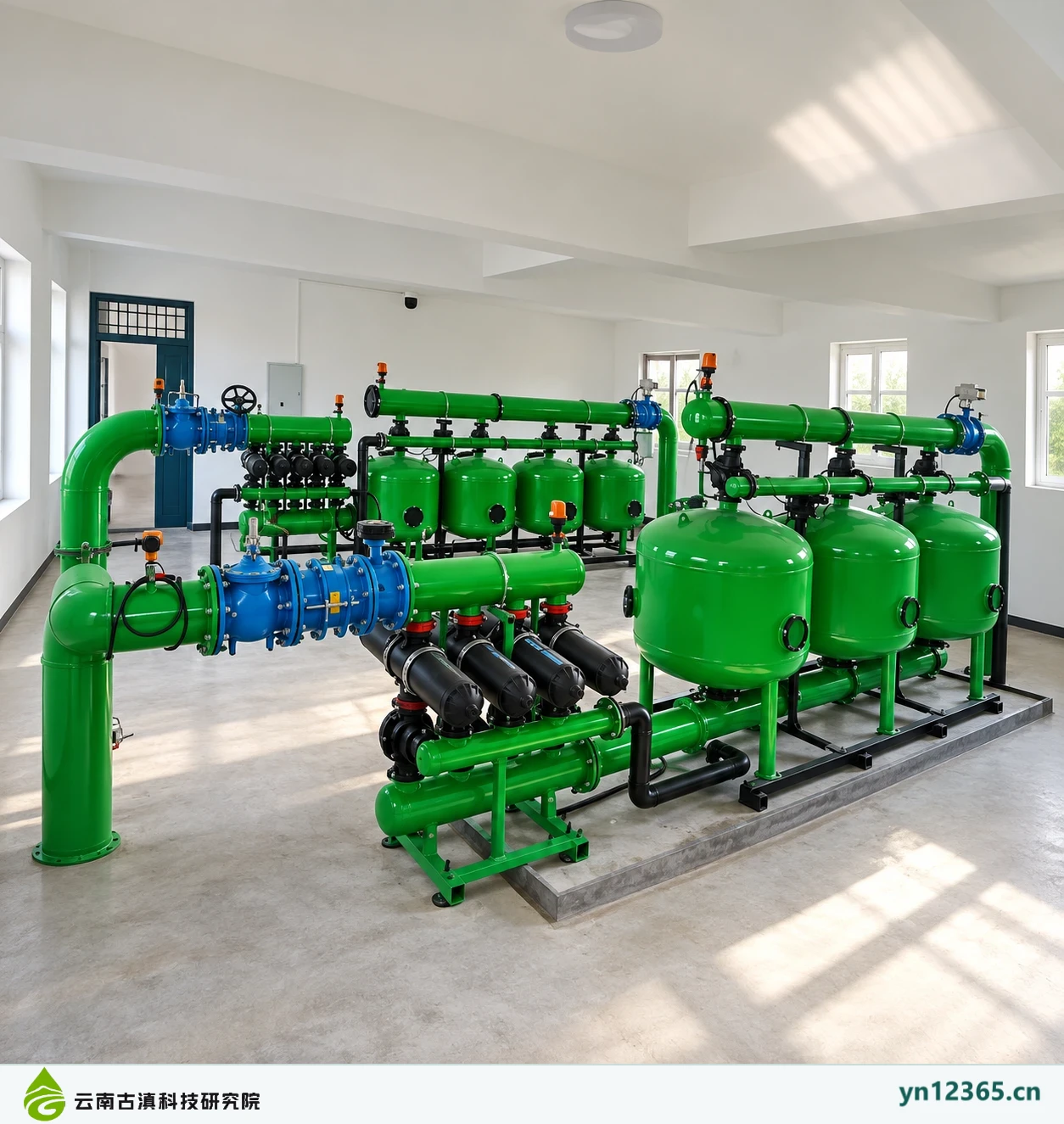
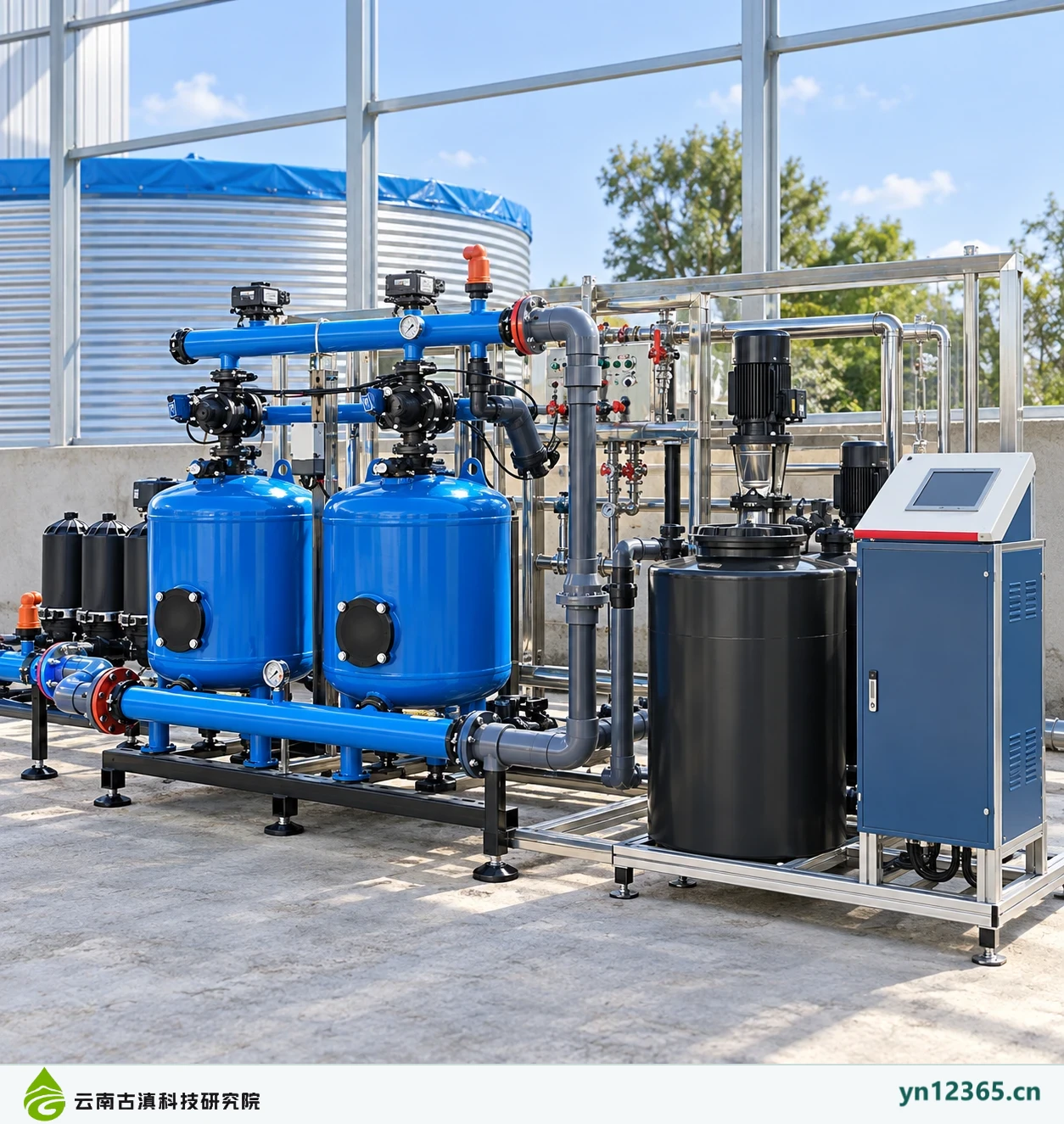
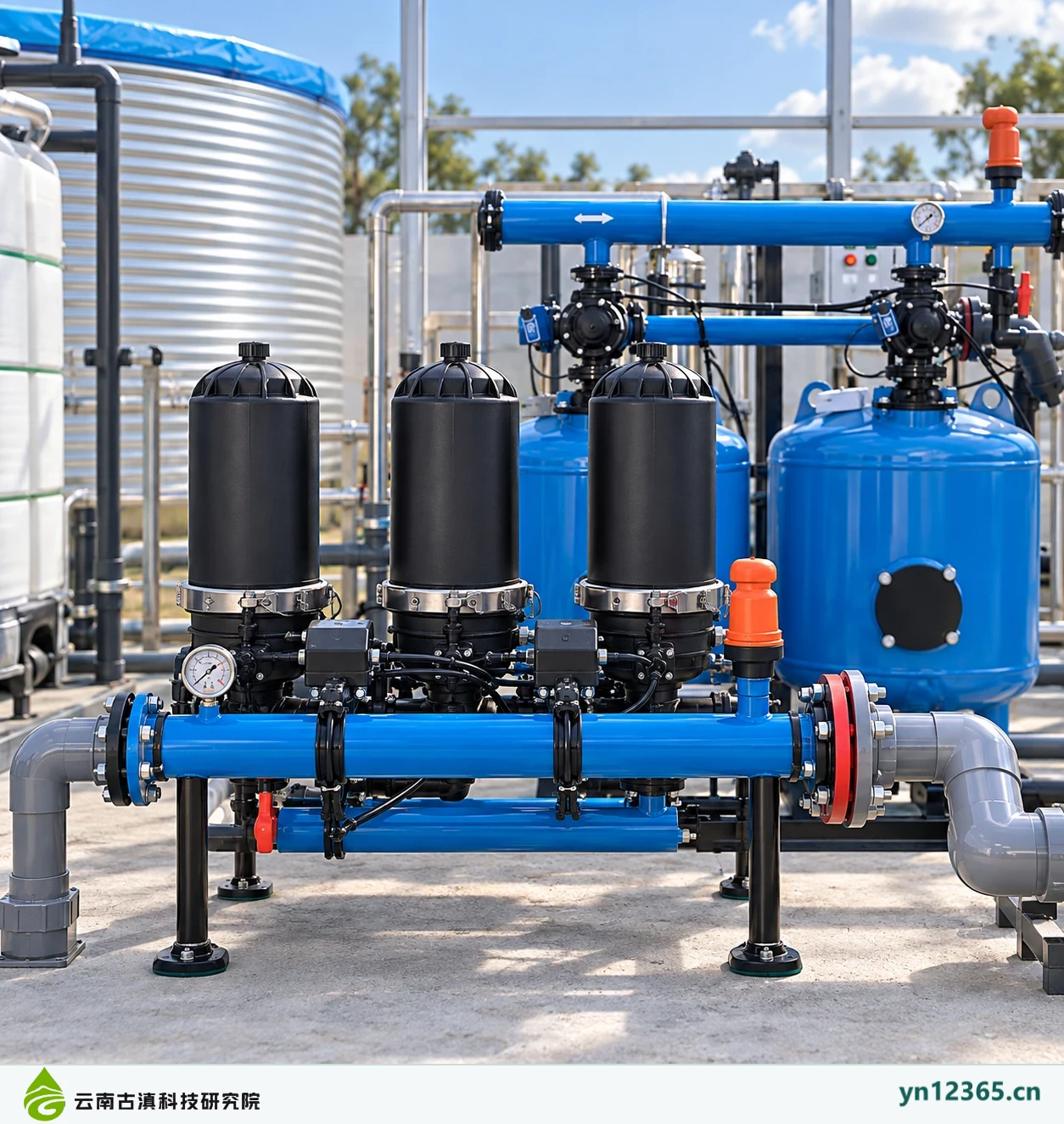
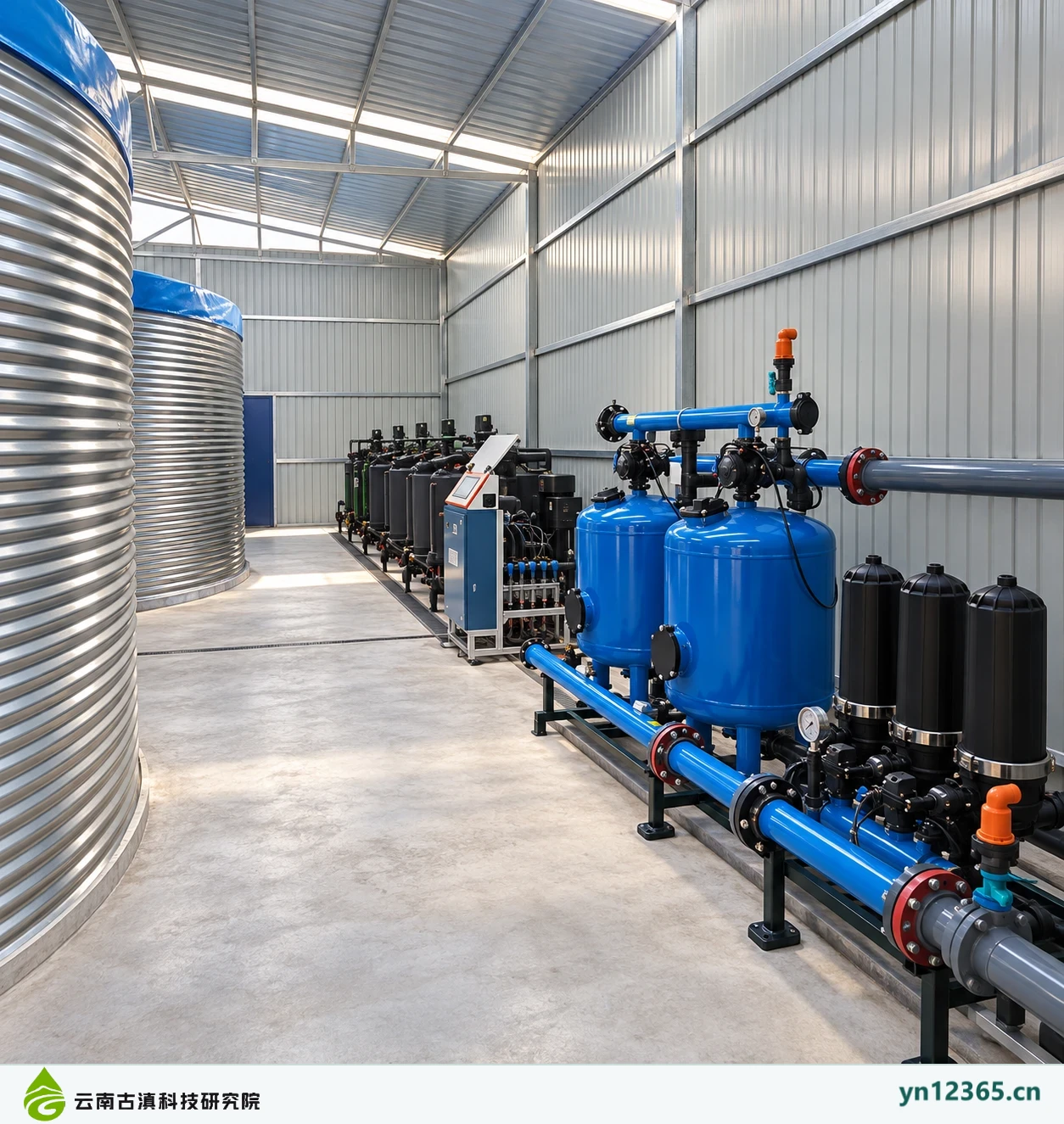
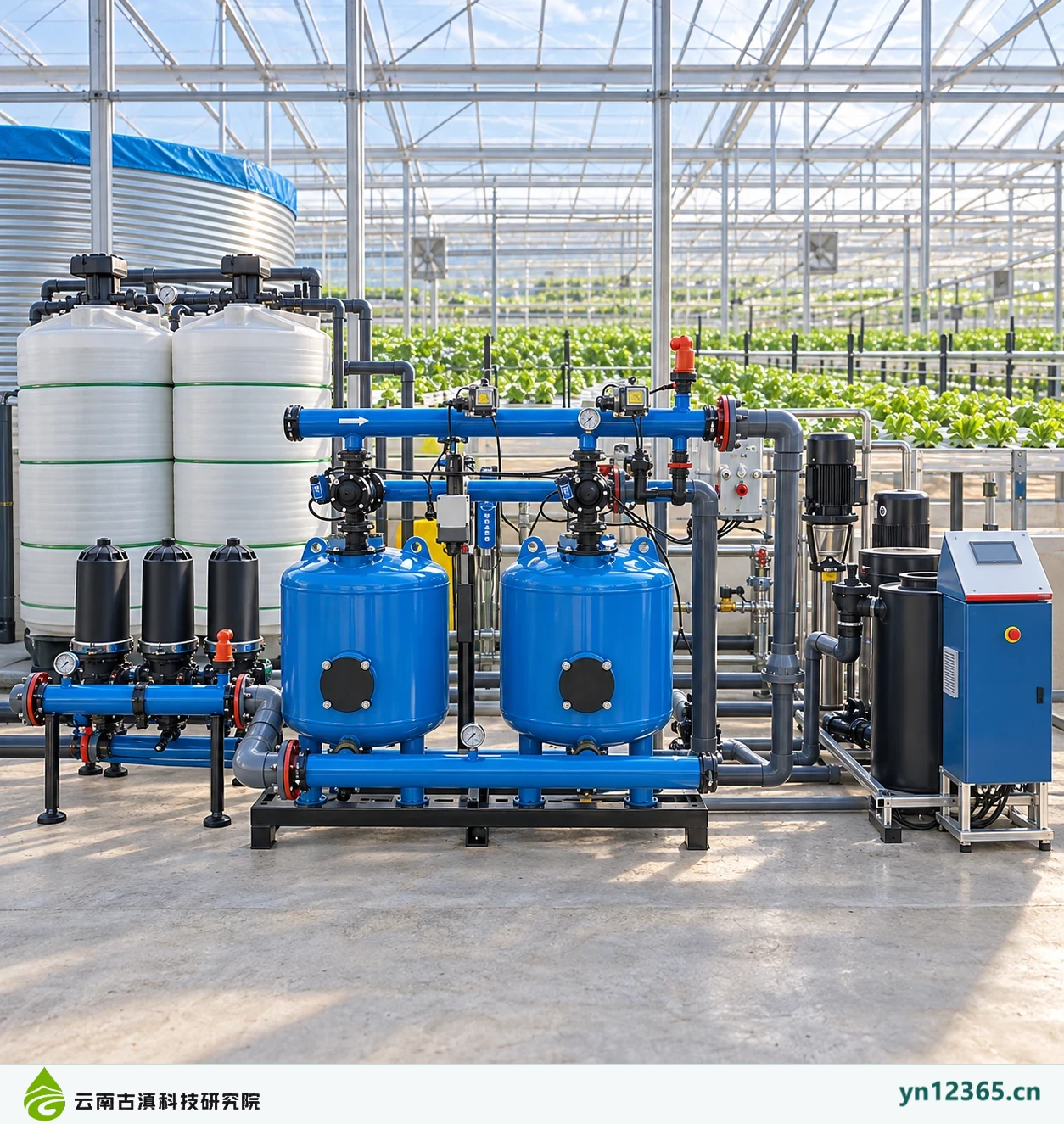
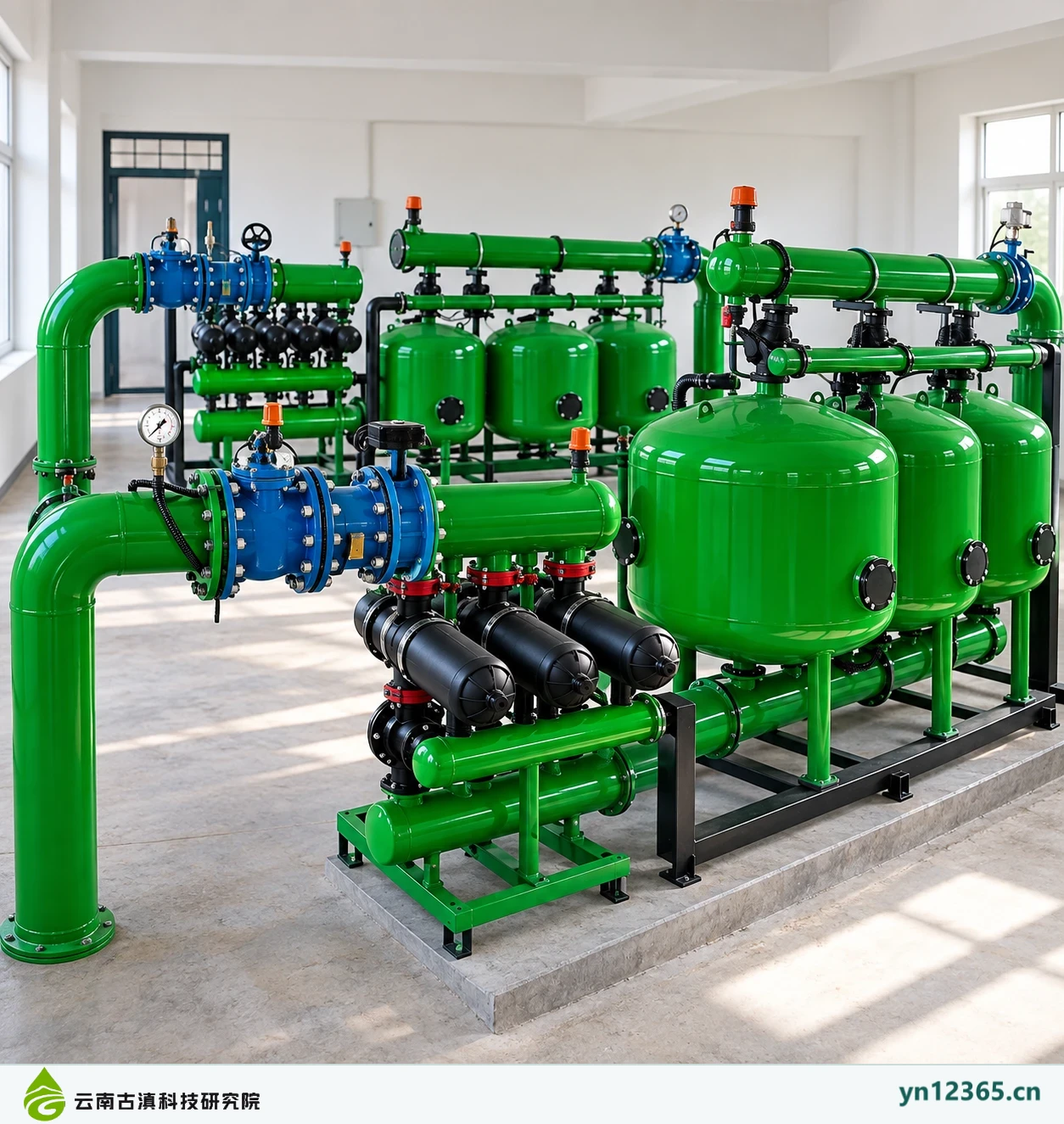
The user supplied these nine images to illustrate equipment appearance and site layouts. They are not evidence of customer delivery, model specifications, or project performance. Different views, colors, and configurations do not indicate the same model. Confirm the products to be supplied against the agreed list.
Common equipment questions
Does having a filtration system mean having a fertigation system?
No. Confirm the functions, connections, and control scope of filtration, water supply, and fertilizer application equipment separately, then check the complete equipment list.
Does a control cabinet necessarily support automatic EC/pH control and remote operation from a phone?
Photographs cannot confirm these functions. Check the specific model instructions, sensor and software scope, and site connectivity. Include required functions in the configuration and delivery agreement for this project.
Can photographs support claims of percentage savings in water or fertilizer, or increased yield?
No. Cultivation management, raw water, irrigation, and operating conditions must be established. Do not state performance percentages or yield guarantees without actual comparisons and appropriate evidence.
Preparing for operation and management
Check filtration maintenance, fertilizer solution materials and compatibility, instrument calibration, backflow protection, and shutdown drainage requirements. Make arrangements according to specific equipment instructions and site conditions. Crop nutrition formulations and fertilization schedules must be confirmed by appropriate agronomy professionals. This page does not give universal fertilizer recipes or chemical cleaning and dosing procedures.
Further equipment resources
- Water source, irrigation zones, and fertilizer control handover
- Agricultural water treatment and irrigation interface documents
- Water treatment arrangements for flower cultivation
- Water treatment arrangements for soilless blueberry cultivation
- Water storage tank resources
- Share raw-water, intended-use, and site documents to discuss this arrangement
References and publication limits
Technical concepts refer to China's Ministry of Agriculture, Guiding Opinions on Fertigation Technology (2013), solely to explain system planning and management principles. This reference is not evidence of product testing, appraisal, subsidy eligibility, or guaranteed results. Edited and checked by Gudian Technology on October 7, 2026. Supply, installation, and site attendance are confirmed for each project.
Earlier cultivation illustrations
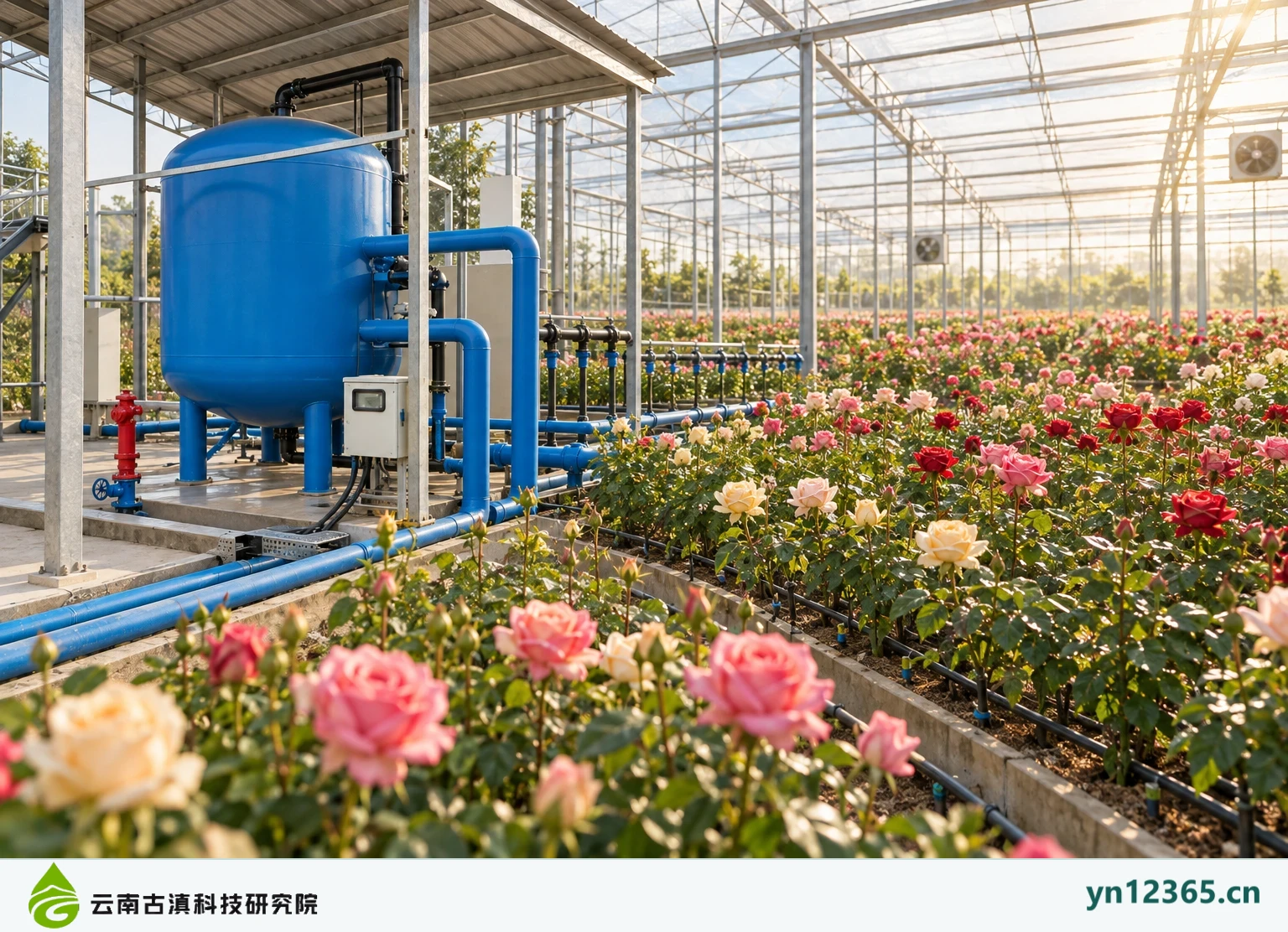
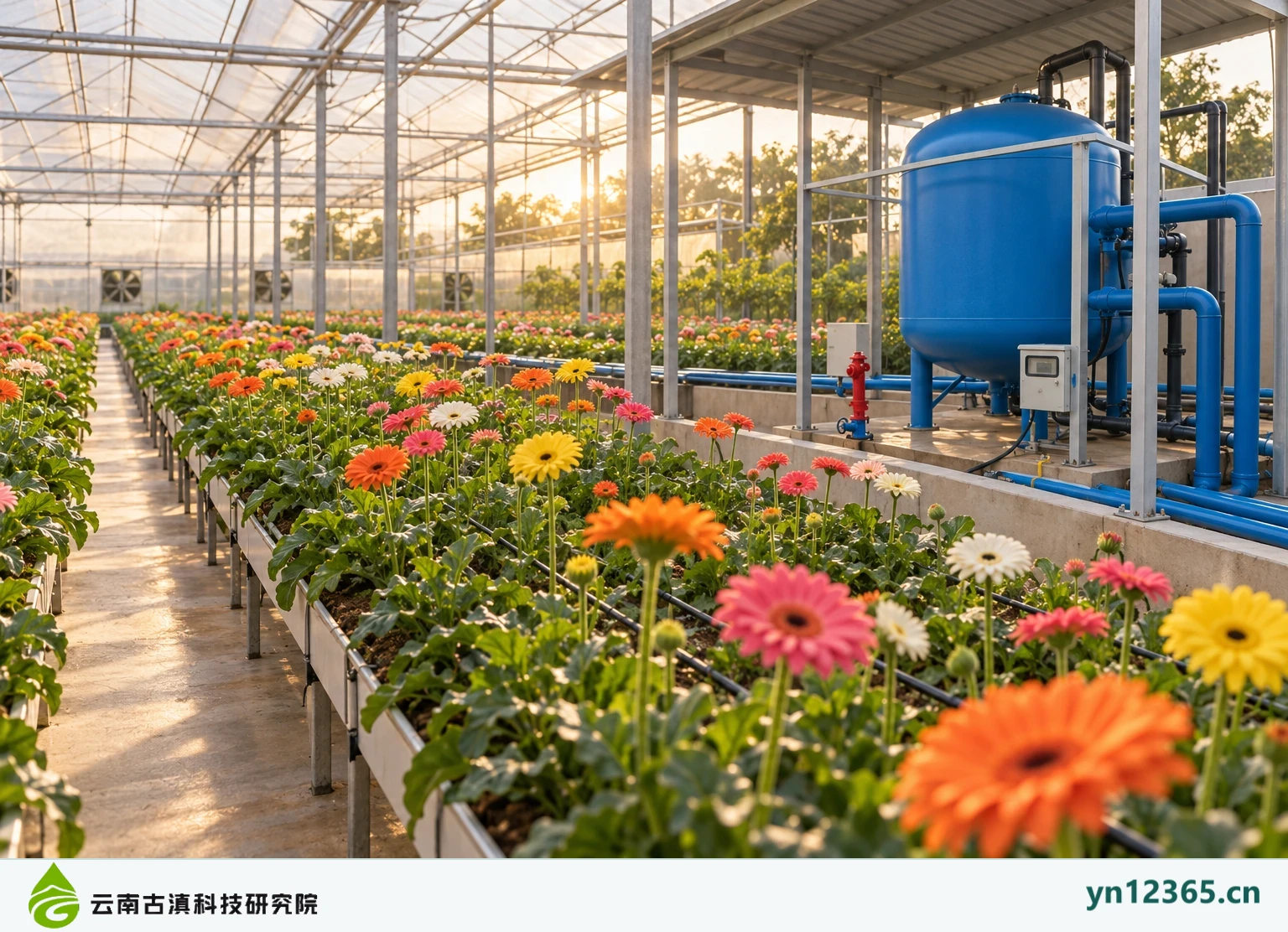
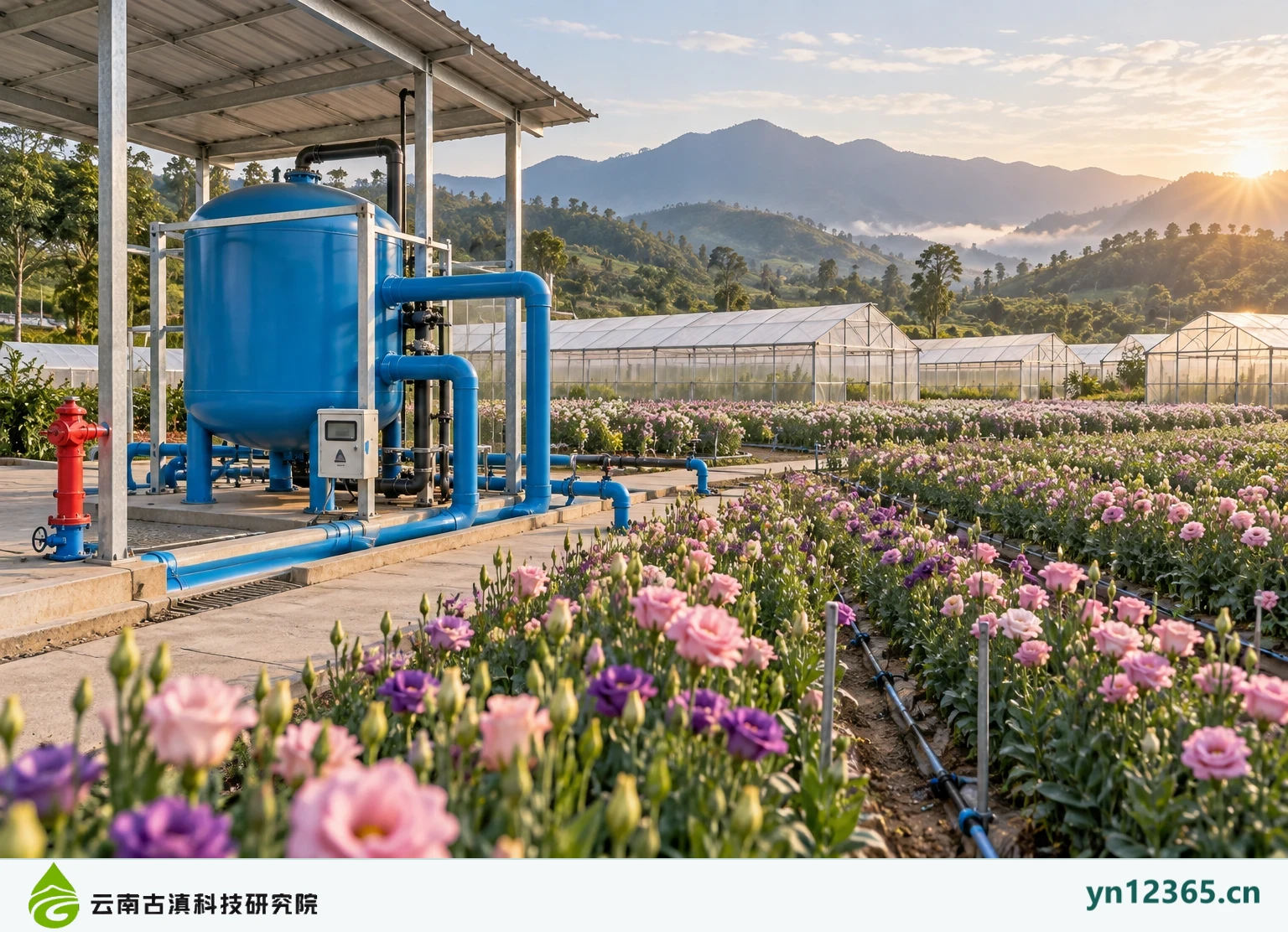
The following existing images are AI-assisted cultivation illustrations, not photographs of customer projects.
Rated filtration flow does not establish that backwash requirements are met
Filtration and backwashing are different operating modes. When purchasing an automatic backwash filter, check more than the normal filtration flow: confirm the flow and pressure available during backwashing, the filter units operating simultaneously, whether downstream irrigation continues, and whether the drainage system can handle the backwash water.
| Condition | Information source | What to confirm |
|---|---|---|
| Normal filtration | Actual irrigation zones and filter flow data | Flow, inlet and outlet pressures, and the differential-pressure baseline |
| Backwash water supply | Instructions for the selected filter, pump curves and site water-supply records | Whether backwash flow and pressure meet the requirements of that model |
| Water supply during backwashing | Valve sequence, storage and irrigation-zone scheduling | How downstream supply will continue, operate at reduced flow or pause |
| Triggers and actions | Control documentation and the agreed supply list | Time-based, differential-pressure or manual triggering; how valves and alarms will be checked |
| Drainage and return to service | Drainage conditions and operating records | Confirm the drainage route, completion of backwashing and return to filtration |
Use illustrations to discuss the layout; confirm functions against the supply list
The appearance of a control cabinet, valves or pipework in an image does not establish that the system supports automatic backwashing, closed-loop EC/pH control or remote control. State in the supply list whether each function is included, the relevant model and how it will be verified. Draining and backwashing are not interchangeable functions across all filters.
Check the manufacturer's backwash requirements against the water source and the filter media or elements. Experience-based multipliers and wash durations in the knowledge base must not be treated as operating settings for every model. Fertigation and irrigation outcomes must not be expressed as fixed yield increases or fertilizer savings.
Related resources and next steps
Sources and scope
Drafted with AI assistance on 8 October 2026 and checked item by item against the knowledge base and the public sources below. Manufacturer information explains the relevant technology; it does not imply that Gudian is an authorized distributor or manufacturer for that brand. Equipment specifications are subject to the selected model and confirmed documents.