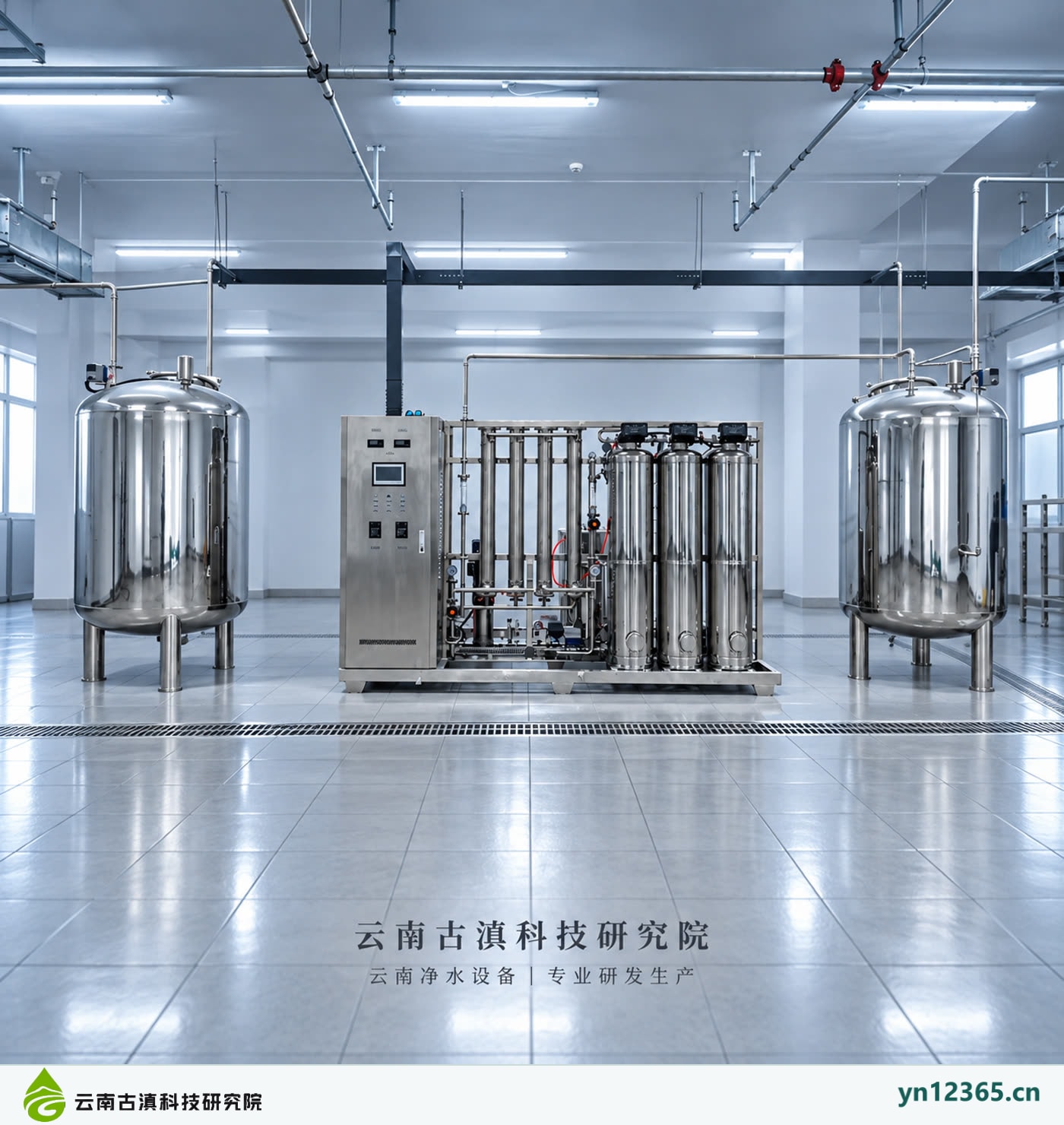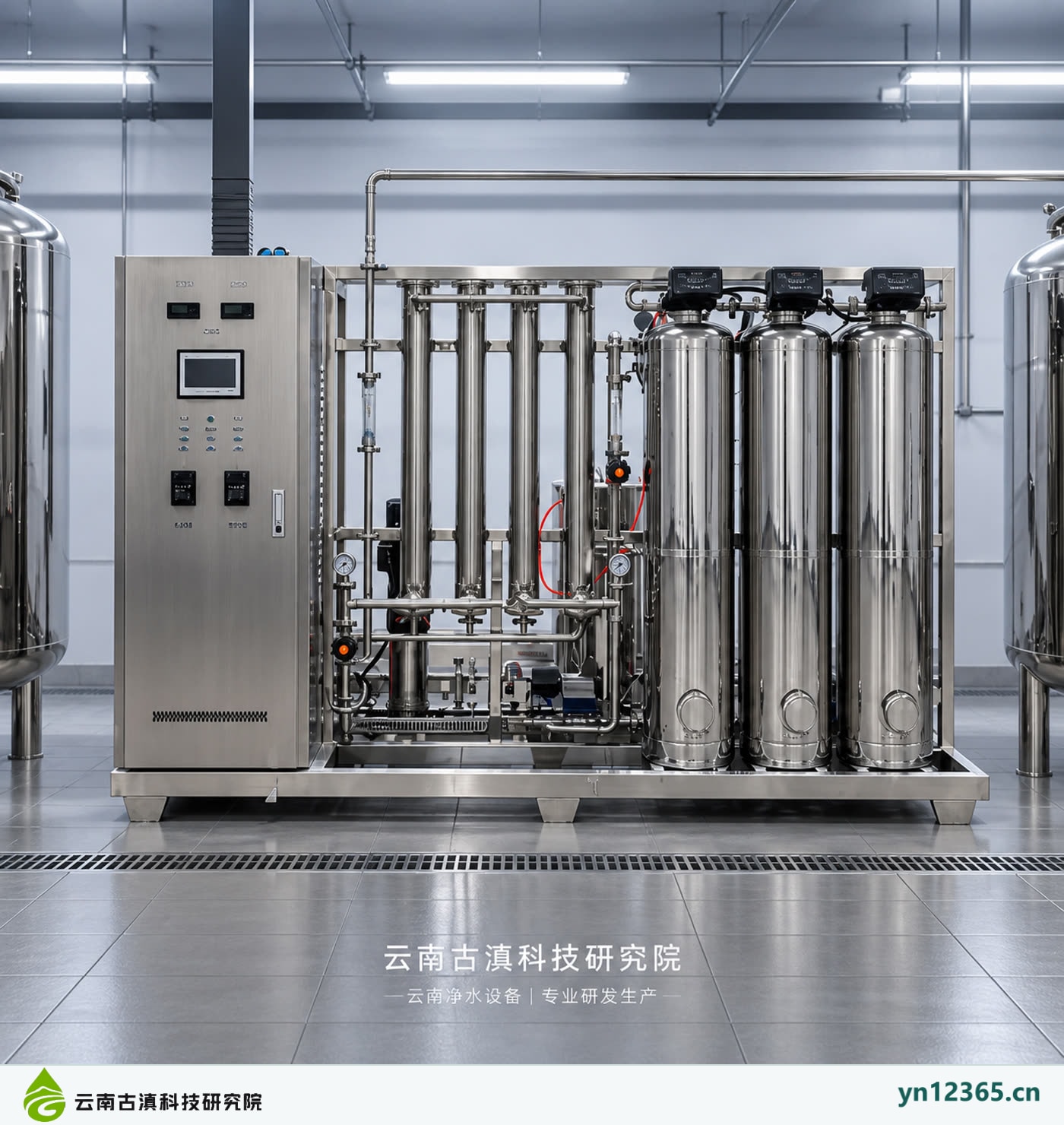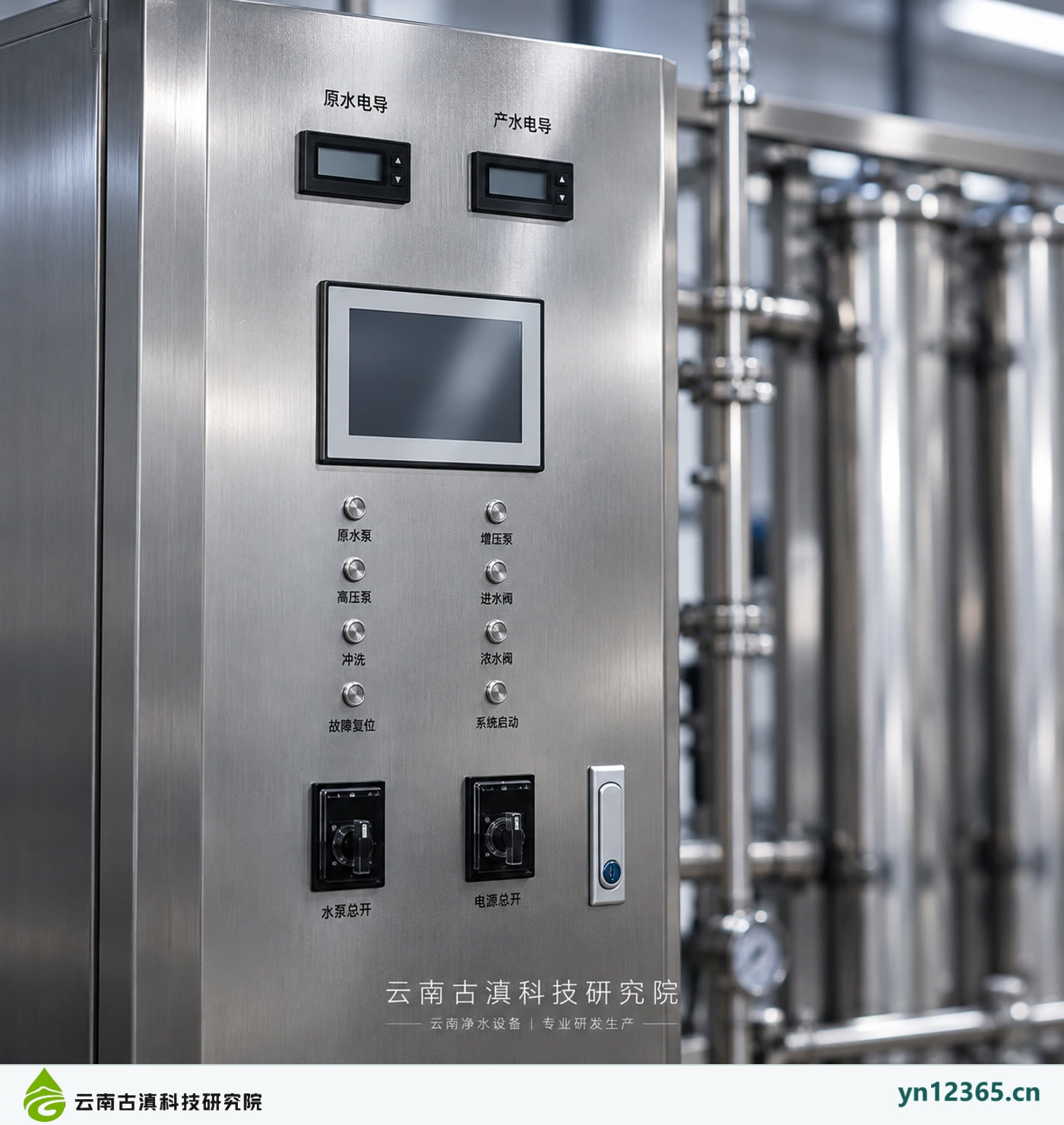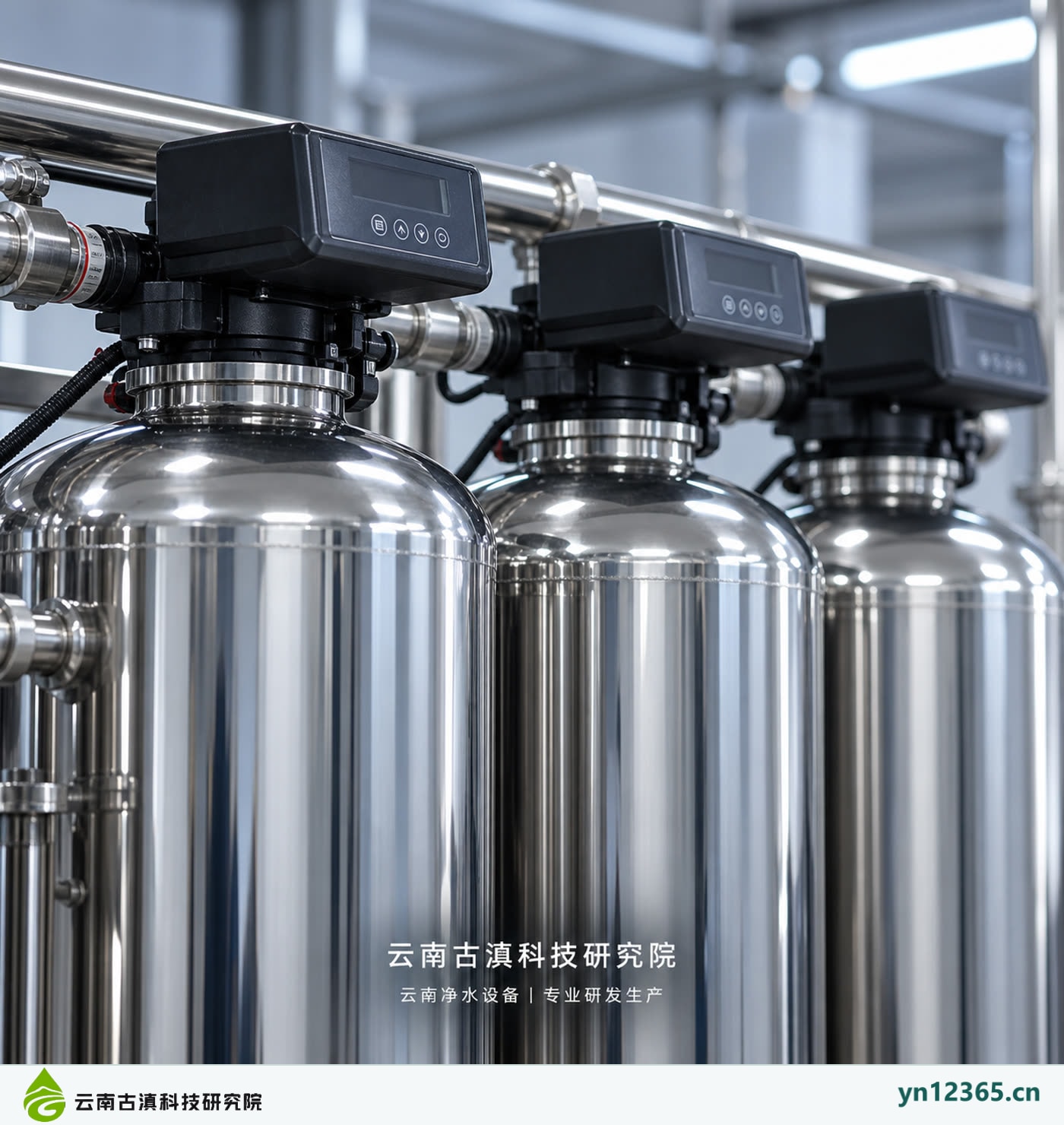
Specifications
| Display type | Configuration overview; not a specific model offered for supply |
|---|---|
| Image source | AI-assisted illustrations, not photographs of customer sites |
| Basis for compatibility assessment | Feedwater, actual application, complete model information and site conditions |
| Model specifications and delivery | Subject to the confirmed product documentation and written scope for the order |
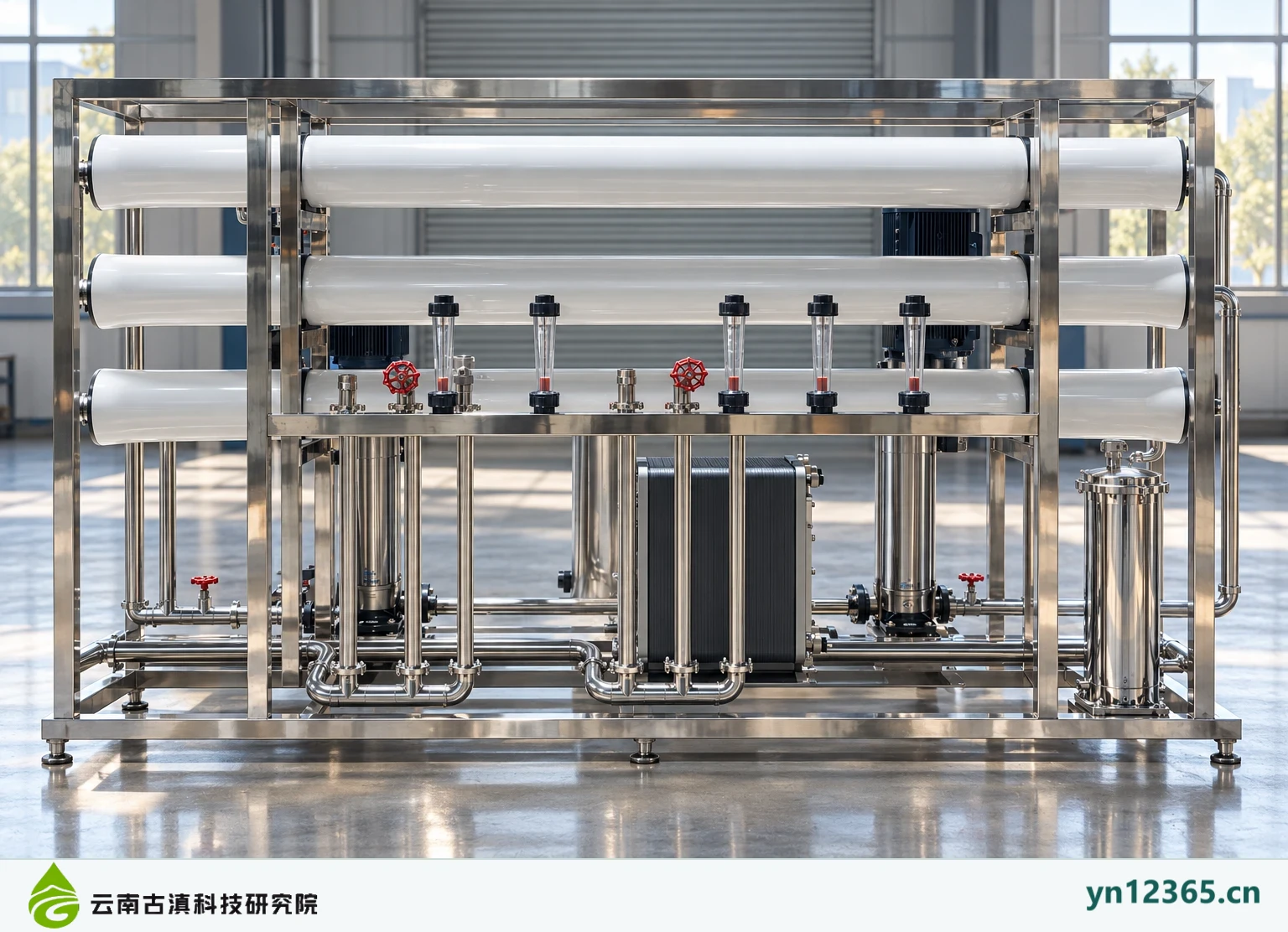
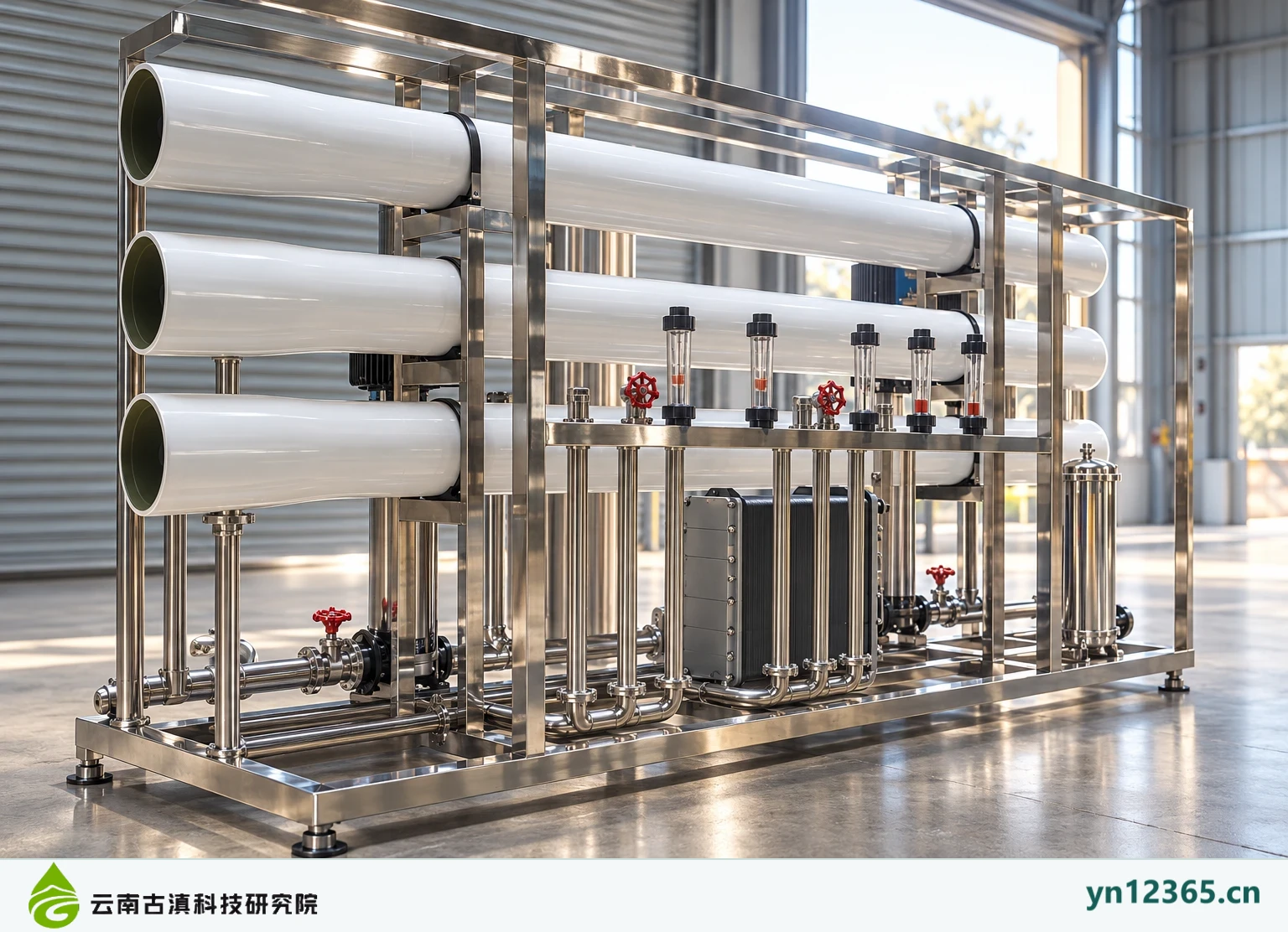
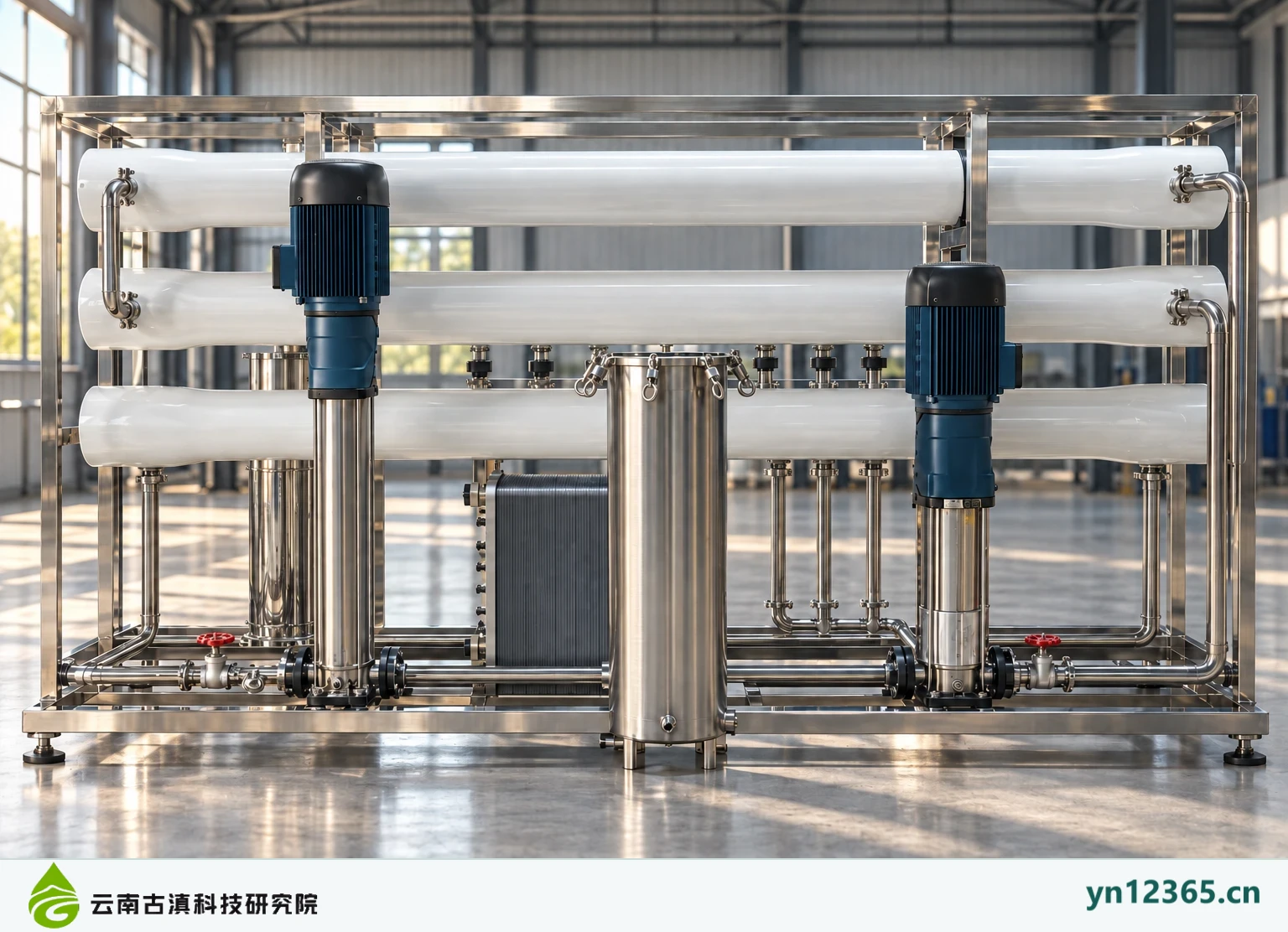
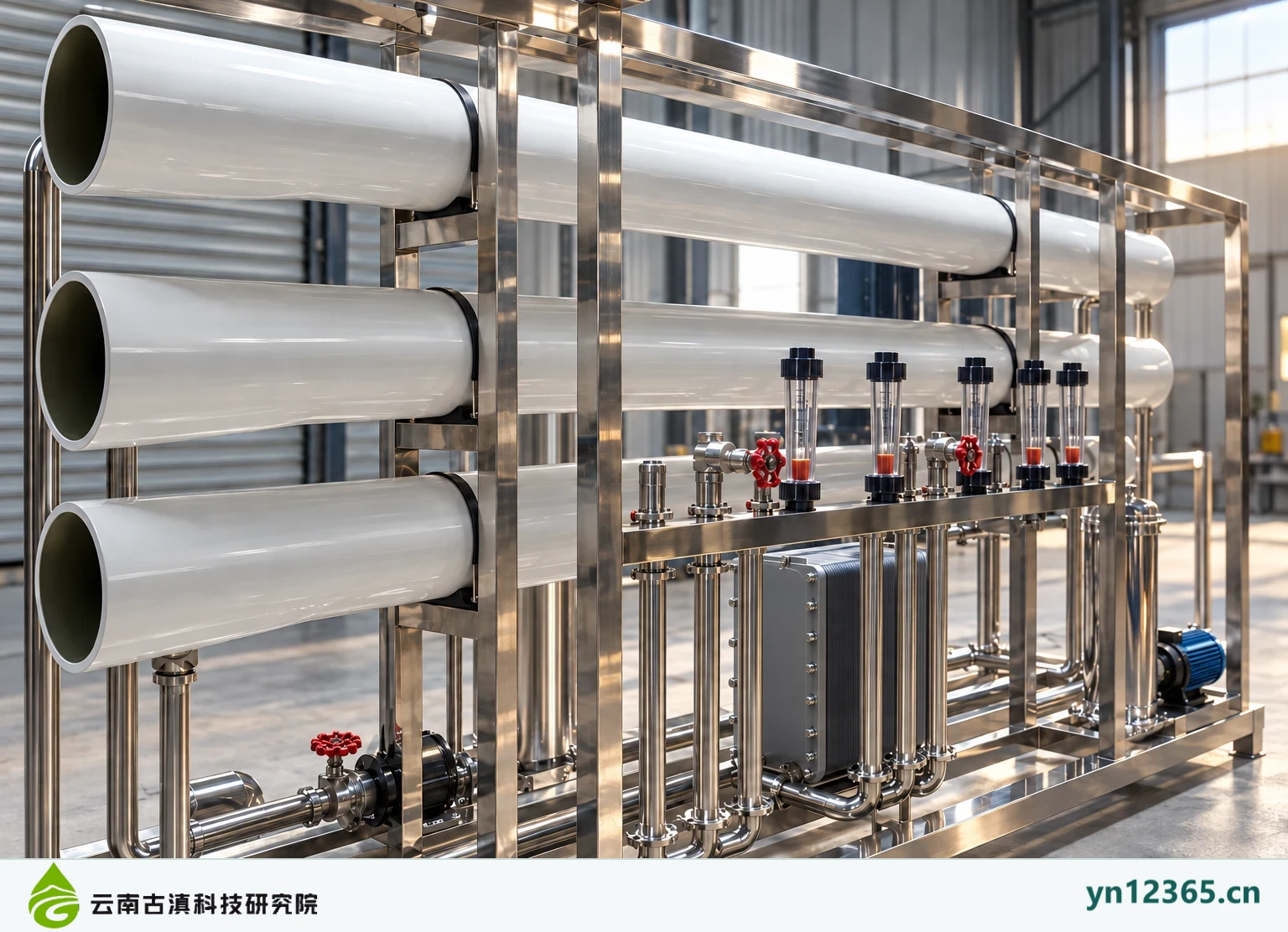
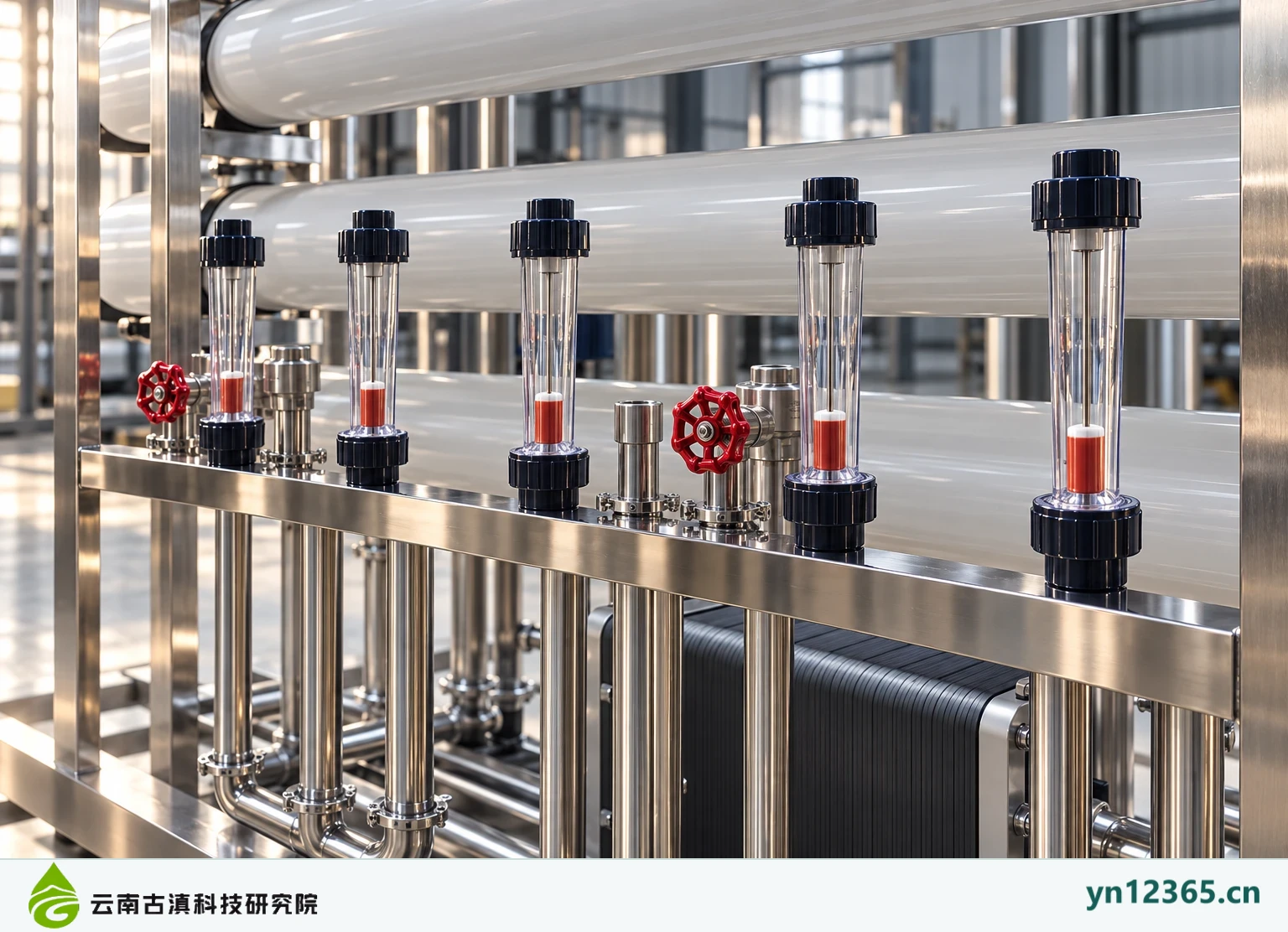
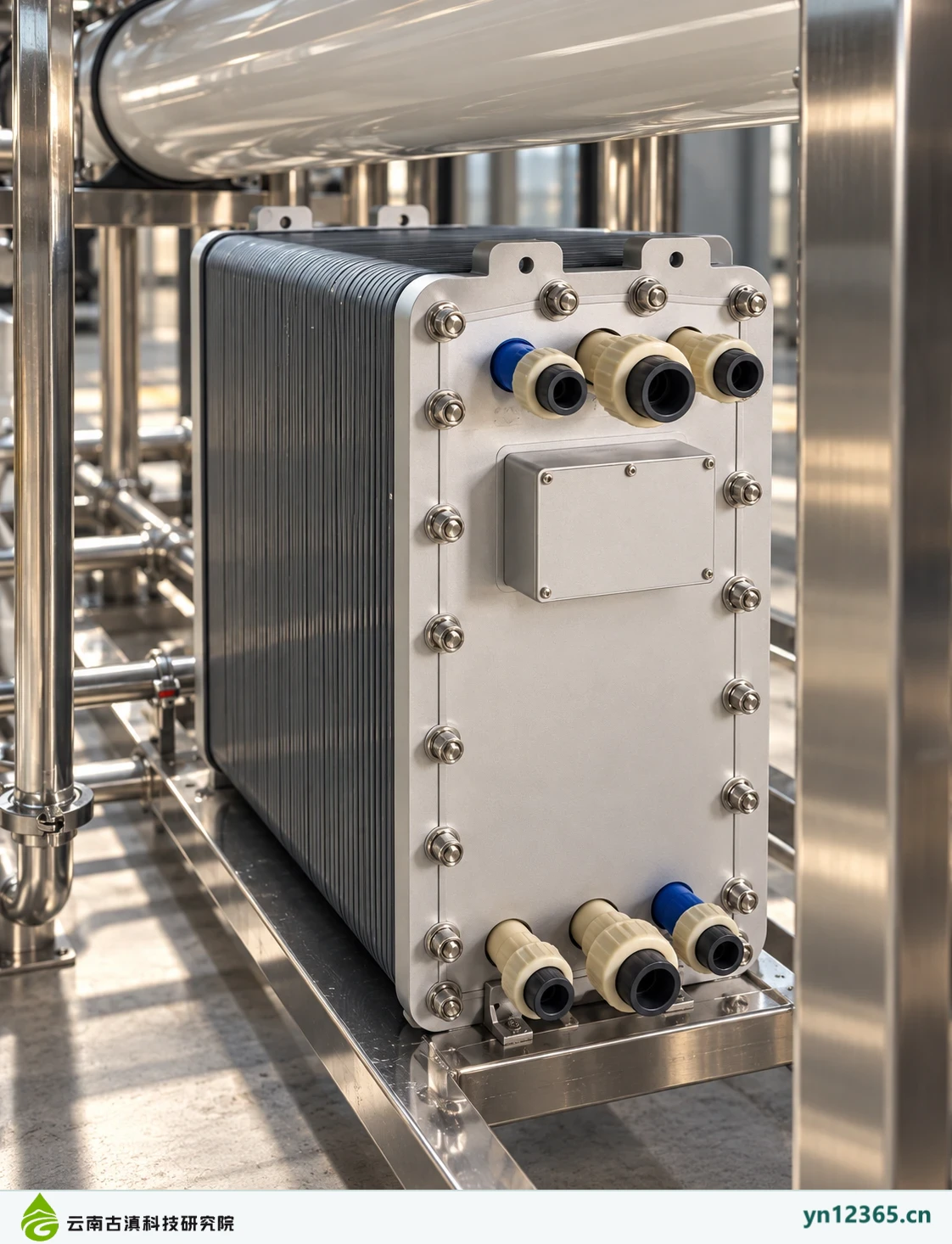
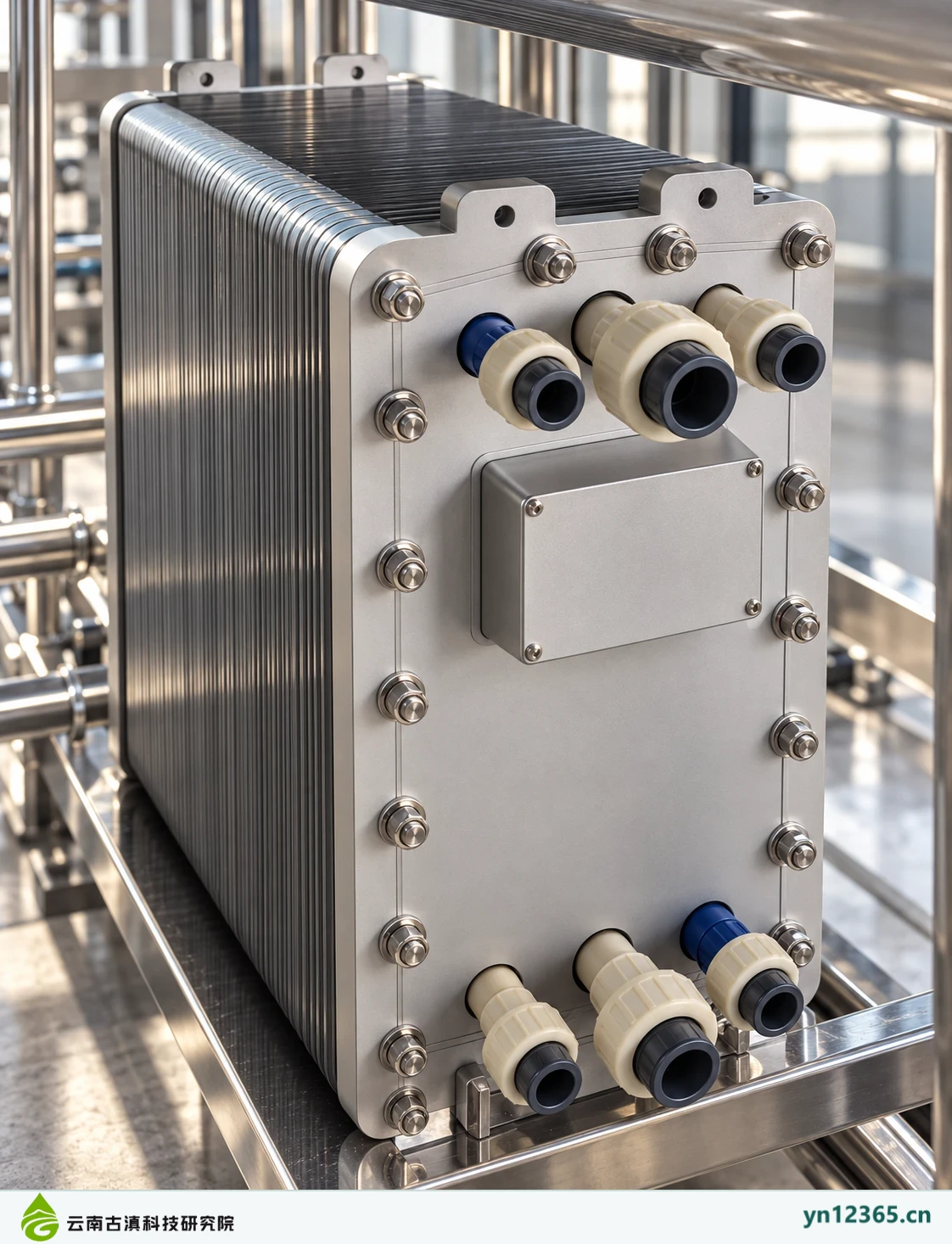
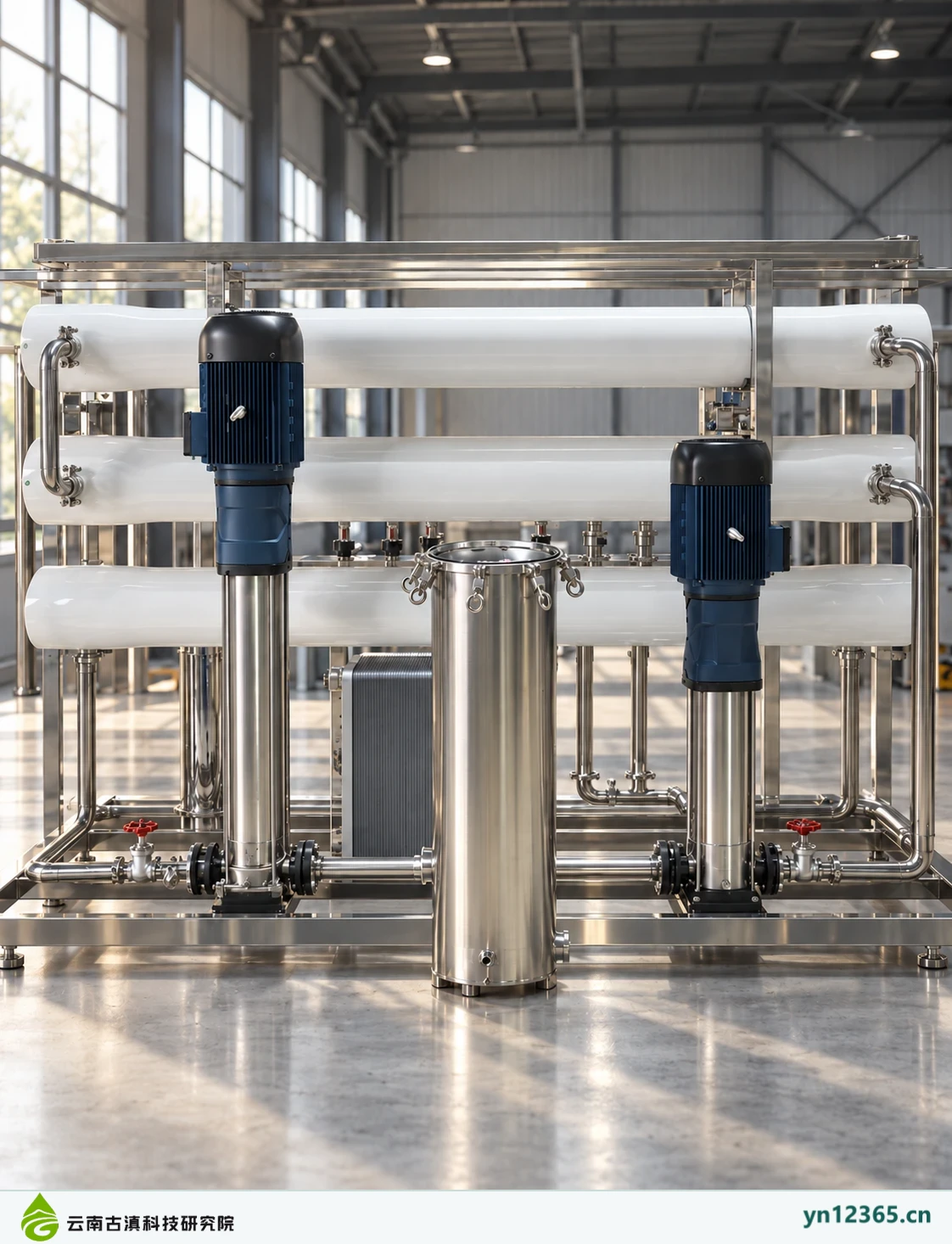
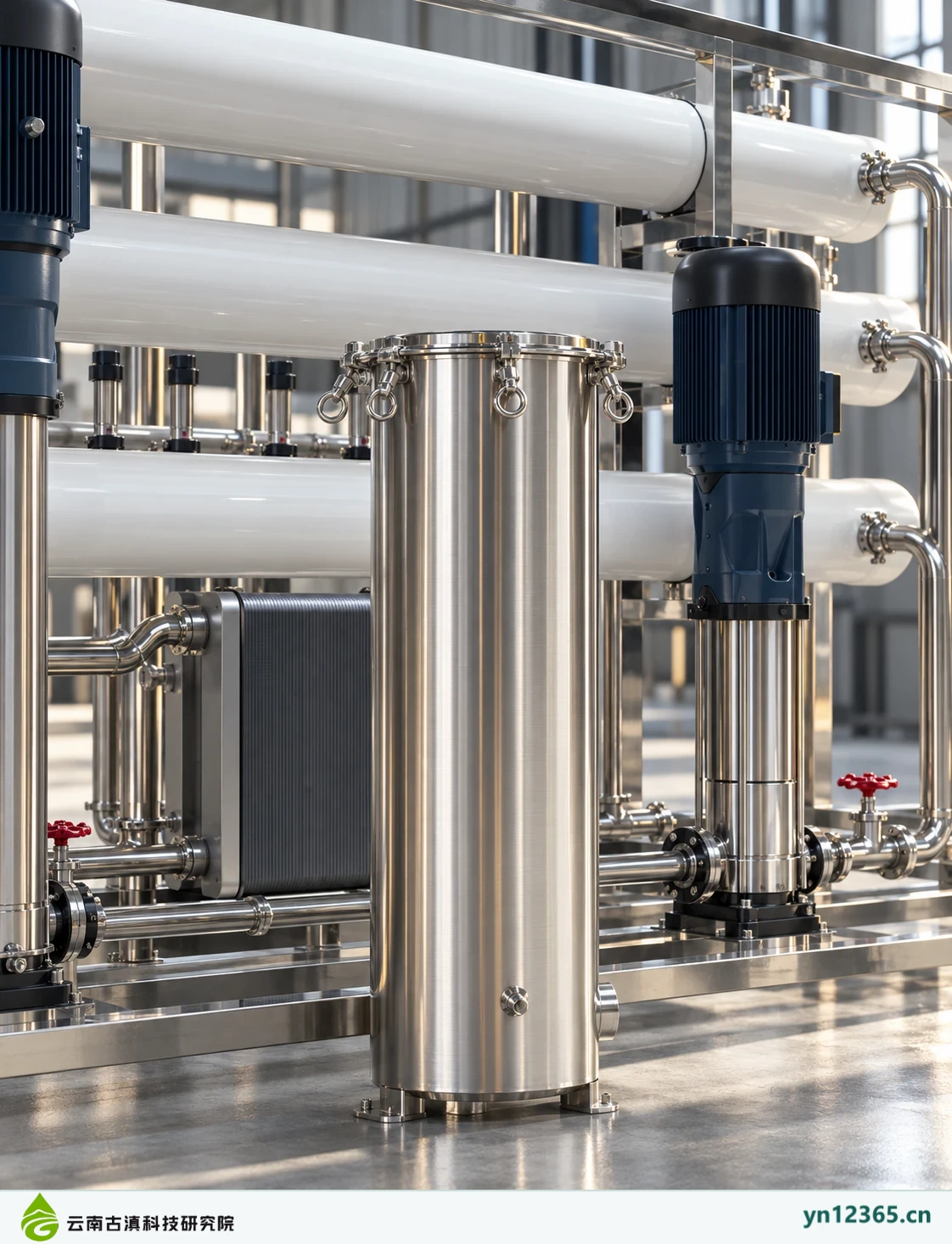
Mounting reverse osmosis and downstream electrodeionization equipment on a shared skid helps define the equipment scope for industrial process-water supply. These illustrations show horizontal membrane housings, instrument arrays, vertical pumps and module connections. They support configuration discussions but cannot establish product-water resistivity or suitability for a particular application grade.
Applications and the starting point for selection
Where further removal of dissolved ions is needed and downstream water-quality requirements are documented, RO and EDI can be considered together. First identify the points of use and acceptable water-quality ranges, then confirm RO feed requirements, EDI feed requirements and each stage's operating requirements separately. Not every RO permeate is suitable as feed to the same EDI module.
Equipment, interfaces and site conditions
Use the overall skid view and membrane-housing and module details to define responsibilities for feedwater pretreatment, RO, EDI, storage and distribution. The quotation should specify the module brand and model, power supply, instruments and connection scope. An equipment image cannot replace a configuration list.
Maintenance and handover
At handover, document the monitoring points and alarm-response procedures for each treatment stage in the operating records. After module replacement or changes to RO operating conditions, check the complete equipment arrangement against the relevant documentation. Maintenance should not focus on a single displayed value.
| Item to check | Information and operating basis |
|---|---|
| Downstream process-water requirements | Obtain documentation for the relevant model or site and record the source, date, applicable conditions and person responsible. Leave incomplete information pending confirmation. |
| Matching RO permeate conditions to EDI feed requirements | Obtain documentation for the relevant model or site and record the source, date, applicable conditions and person responsible. Leave incomplete information pending confirmation. |
| Module model and permitted operating range | Obtain documentation for the relevant model or site and record the source, date, applicable conditions and person responsible. Leave incomplete information pending confirmation. |
| Monitoring points and electrical interfaces | Obtain documentation for the relevant model or site and record the source, date, applicable conditions and person responsible. Leave incomplete information pending confirmation. |
Illustrative configurations and detail gallery
Select an image to see the full view. The images illustrate configuration topics and do not represent a single completed project. Do not infer specifications from component counts, colors or screen readings.
Related products and further reading
Read implementation or maintenance information for this equipment · Equipment and consumables resource directory · Send your actual requirements
Scope of this information:Compiled on 4 October 2026 from the available equipment-themed material. Equipment images are AI-assisted illustrations. This page presents possible configurations and is not evidence of a specific model, supply list, test approval, licence or completed project. The actual model, operating conditions and intended use must be confirmed against the relevant documentation. Prices, warranty and installation scope are subject to the written agreement for each order.
Confirm downstream targets before discussing an RO and EDI combination
RO provides membrane separation, while EDI combines ion-exchange materials, membranes and direct current to remove further ions. EDI is commonly used for further treatment of RO permeate. Whether to combine them depends on downstream requirements, actual RO performance and module documentation. Not every industrial, irrigation or agricultural project requires EDI.
| Item | What needs confirmation |
|---|---|
| Downstream requirements | Application documentation, sampling points, water-quality criteria and acceptance methods |
| RO and pretreatment | Feedwater, RO results and the match between RO permeate and module feed requirements |
| EDI module | Complete model number, document revision, permitted feedwater conditions and operating requirements |
| Power supplies and instruments | Power and controls, probes, alarms and installation verification methods |
| Storage and distribution | Point-of-use requirements, wetted materials, installation and management responsibilities |
State treatment stages and delivery scope clearly in the quotation
List the module, power supply, instruments, storage and water supply, and site services separately. Leave unconfirmed models, product-water criteria and costs pending confirmation. Do not infer control functions or qualifications for specialised industries from illustrations. Manufacturer literature describes conditions for a specific product; it does not replace system design and acceptance for this project.
Related resources and next steps
Sources and scope
Drafted with AI assistance on 8 October 2026 and checked item by item against the knowledge base and the public sources below. Manufacturer information explains the relevant technology; it does not imply that Gudian is an authorized distributor or manufacturer for that brand. Equipment specifications are subject to the selected model and confirmed documents.