
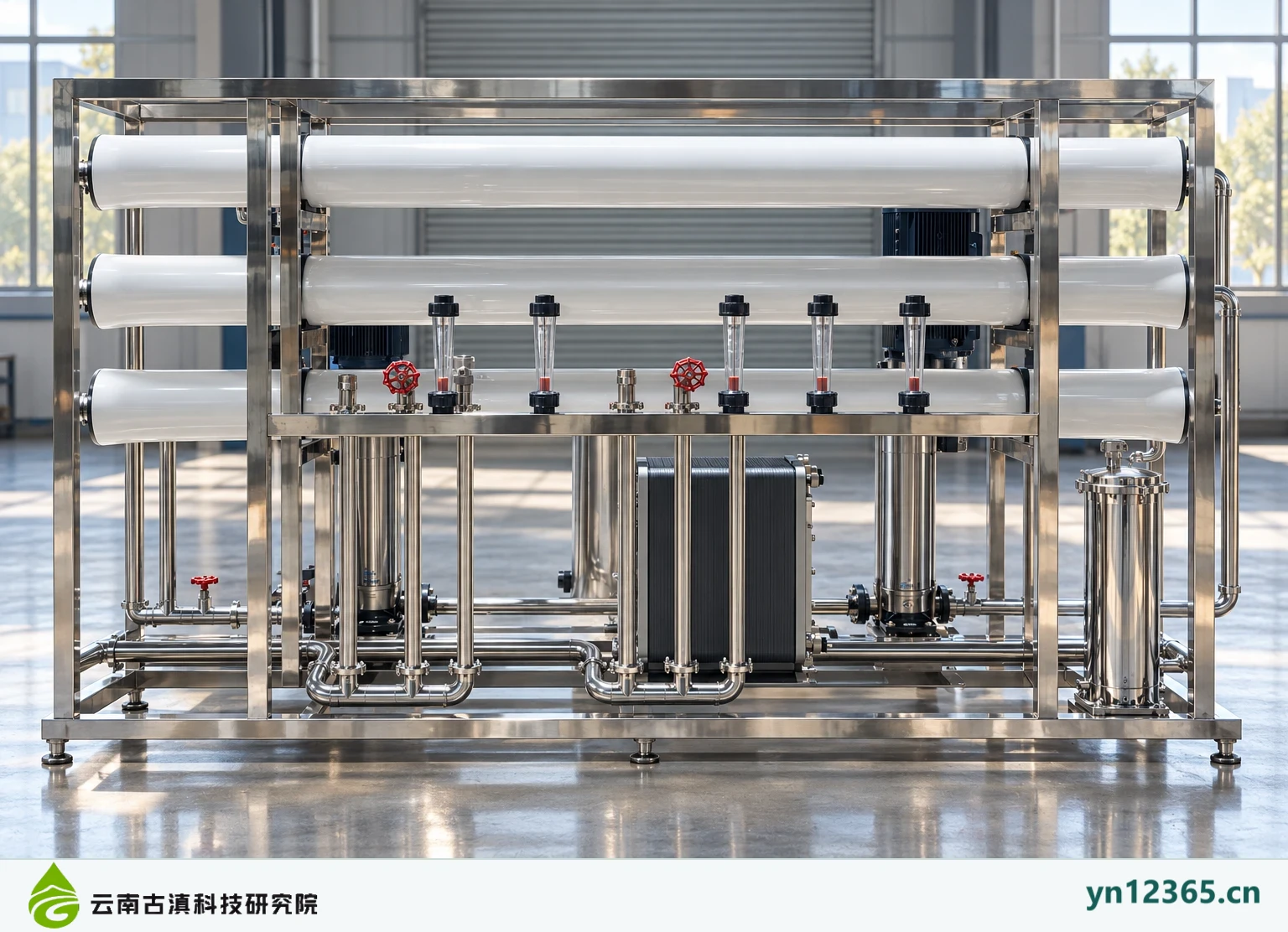
One resistivity reading at the EDI outlet cannot replace acceptance of the complete system and all downstream requirements. Record measurement points, conditions, and responsibilities separately for RO, EDI, storage, and distribution. The same data must also match this equipment configuration, application documentation, and instrument condition.
| Location | Information to prepare | Main purpose |
|---|---|---|
| Raw water / RO inlet | Water source, sampling date, pretreatment, and raw water results | Check input conditions for RO design and maintenance |
| RO product water / EDI feedwater | Whether storage is involved, feedwater testing, temperature, and flow | Compare with the selected EDI module's feedwater and operating requirements |
| EDI outlet | Measurement point, instrument, units, temperature compensation, and operating conditions | Check the module treatment stage and its specified performance parameters |
| Storage / distribution | Storage, piping network, contact materials, and management records | Identify additional stages that affect water after the module outlet |
| Actual point of use | Application requirements, test methods, measurement points, and sampling conditions | Check final-use requirements without omitting other necessary parameters |
Why feedwater checks require more than conductivity
Compare RO product water with the specific EDI module documentation. Beyond overall electrical conductivity, module documentation may specify separate requirements for hardness, silica, organics, oxidizing substances, and other feedwater conditions. Record test parameters, units, measurement basis, and methods, then check flow, temperature, pressure, and power. Determine parameters from the selected model's complete documentation. Do not apply thresholds for another model.
Retain units and temperature when comparing conductivity and resistivity
Both parameters describe the water's electrical conduction behavior. Displayed values at different measurement points, with different units, temperature compensation, or instrument conditions, cannot be used directly to determine acceptance. Compare according to instrument and product documentation. One reading does not mean microbial, organic, or downstream process requirements have been met.
When abnormalities occur, first record time, RO results, module operation and alarms, measurement points, and recent changes. Do not raise current, adjust protection, or replace modules without authorization in pursuit of a displayed number. Technical personnel should handle operation, electrical work, and venting-related actions according to corresponding documentation.
Documentation handover also needs responsibilities and versions
The handover list should identify the tasks assigned to supplier, installer, owner, and testing provider, and explain testing and review arrangements. Mark missing data pending confirmation. After a model or upstream change, recheck the affected scope. Do not present module sample specifications as a guarantee for Gudian's complete units at every site.
Related resources and next steps
- RO and EDI units
- EDI module selection and replacement
- Submit operating condition information for this inquiry
Sources and scope
Drafted with AI assistance on 8 October 2026 and checked item by item against the knowledge base and the public sources below. Manufacturer information explains the relevant technology; it does not imply that Gudian is an authorized distributor or manufacturer for that brand. Equipment specifications are subject to the selected model and confirmed documents.