
Engineering plan analysis · Not a delivered project case
School projects should record drinking, kitchen, and other points of use separately, then discuss concentrated use periods, piping, and maintenance management. Headcount is part of demand information but cannot determine the equipment configuration alone. The following is a plan analysis, not a completed school project.
How to divide requirements
Record uses by building and location, concentrated use periods around classes, known raw water conditions, and existing piping. Check drinking water dispensers and kitchen equipment requirements separately. Record expansion or new locations explicitly as future needs, rather than using one schoolwide total to represent all operating conditions.
Work back from points of use to treatment and supply
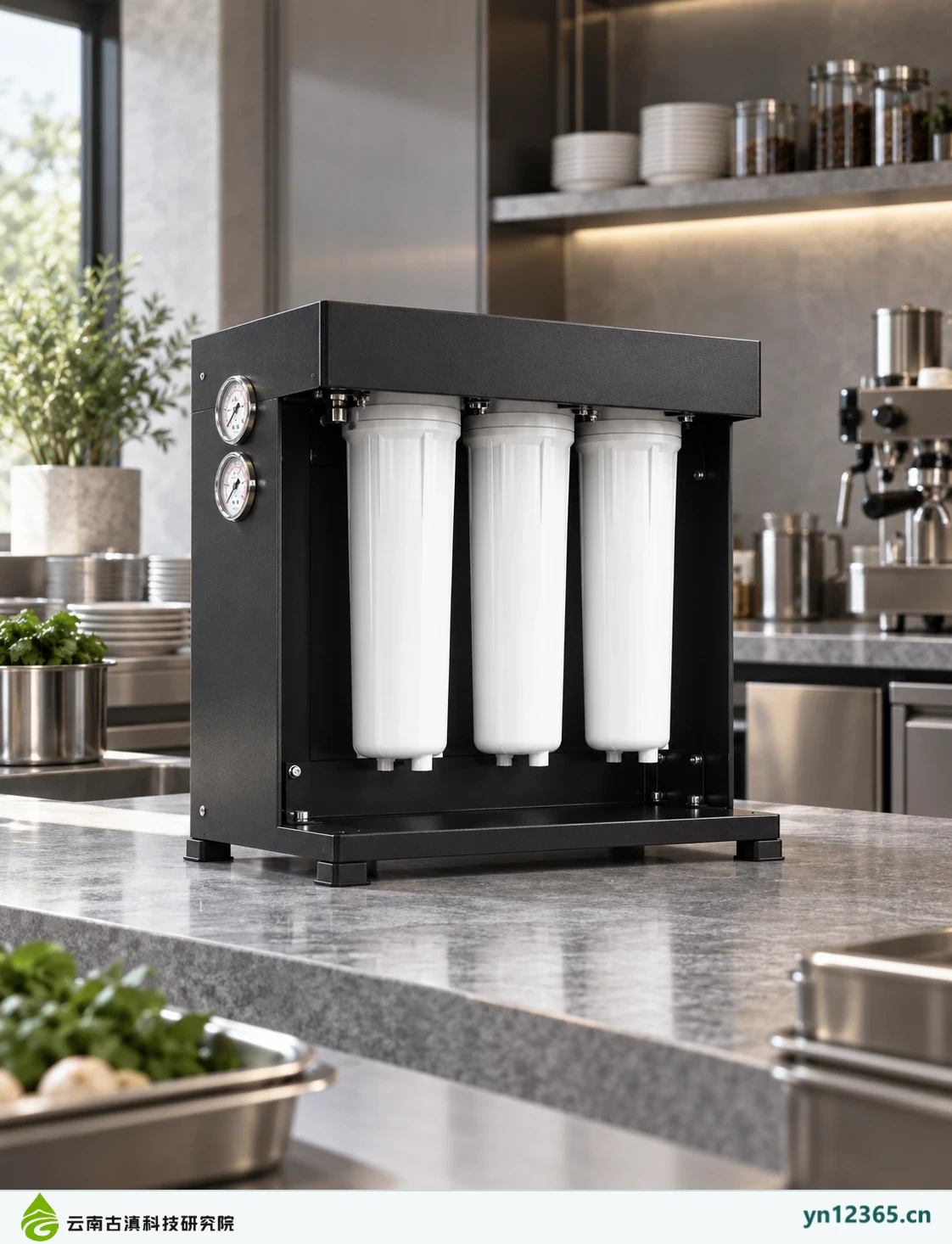
First determine water quality requirements for each application, then compare them with treatment equipment, storage, and piping documentation. Confirm pressure, installation location, power, drainage, and service access together. Illustrated filter housings or floor-standing equipment show possible appearances only. They do not establish internal configuration, water production capacity, or disinfection conditions.
How the handover prevents management gaps
Define responsibilities among school management, suppliers, installers, and testing providers. Retain consumable lists, maintenance contacts, sampling points, and fault reporting routes. Student feedback can help identify problems but cannot replace necessary testing. Publicity must not describe equipment installation itself as a guarantee of drinking water safety throughout the school.
Evidence required for an actual project case
The project requires implementation dates, applications, equipment models, authorized site photographs, delivery records, and acceptance materials. Performance data must describe sampling and operating conditions. If information is incomplete, retain a draft pending review only. Do not add customer names or invent compliance, savings, or satisfaction results.
| Item to check | Required supporting information |
|---|---|
| Location survey | Applications, buildings, concentrated periods, and expansion |
| Supporting system confirmation | Water quality, piping, storage, and installation conditions |
| Acceptance and handover | Models, testing, maintenance, and responsible personnel |
Related equipment and next steps
- Commercial drinking-water purifiers · Selection and maintenance articles
- Water treatment equipment for centralized rural supply · Selection and maintenance articles
- Melt-blown polypropylene filter cartridges · Selection and maintenance articles
Equipment categories and scene gallery · Industry solutions · Submit this inquiry
Content note:Prepared with AI assistance and checked against existing product category information and illustrations on October 4, 2026. This article supports discussions of requirements and documentation; it is not testing, licensing, a quotation, or evidence of results for a corresponding model. Confirm implementation according to product documents, actual operating conditions, and applicable requirements.