
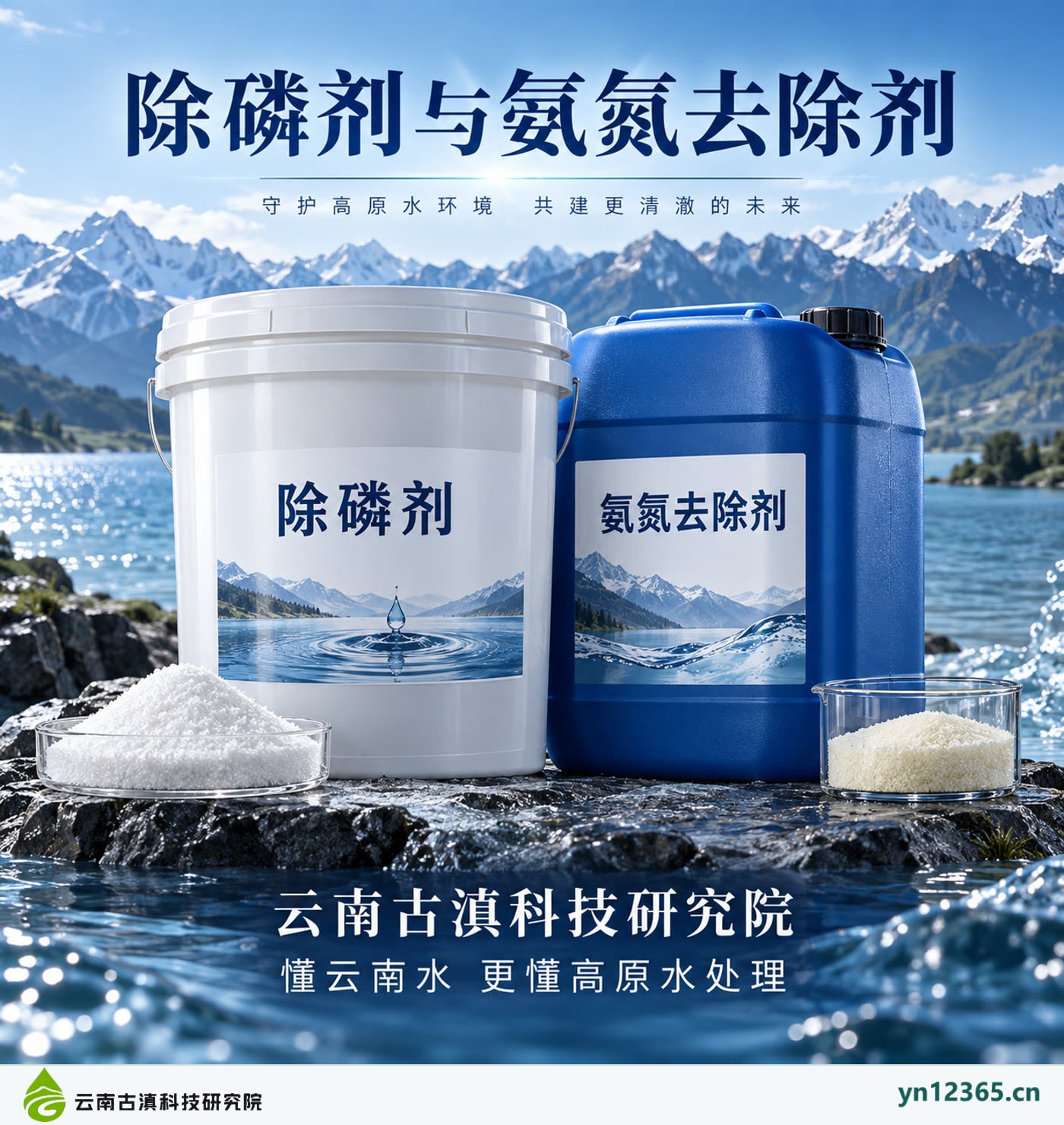
Phosphorus removal and ammonia nitrogen control are different treatment tasks. When purchasing, identify the specific parameters of concern, the medium, and the existing process. A name such as "all-purpose removal chemical" cannot replace testing, trials, and system assessment.
First distinguish target parameters and their sources
Test information should identify the sampling point, time, and existing treatment status. Have the appropriate personnel check total phosphorus, ammonia nitrogen, and other parameters of actual concern separately. Do not judge directly from the water's appearance. Retain changes in water source, production process, or operating conditions to help explain differences in results.
Match process information to product documentation
Define the tasks of existing biological, chemical, or other stages. Check the complete model of the candidate chemical, application instructions, and safety data sheet. Record conditions and batches for sample trials. Do not turn results from one setting into a fixed removal rate for all media.
Make acceptance and ongoing management practical
Include relevant effluent testing, operating records, residue handling, and fault reporting contacts in the handover. Qualified personnel should handle chemicals according to corresponding documentation. Promotional articles do not provide universal doses. Without project evidence, do not claim that a particular customer was helped to meet standards or reduce costs by a fixed amount.
| Item to check | Required supporting information |
|---|---|
| Parameter definitions | Record phosphorus removal and ammonia nitrogen targets separately |
| Basis for selection | Medium, existing process, trials, and product documentation |
| Management scope | Responsibility for testing, residues, and fault handling |
Frequently asked questions
Can one chemical address every phosphorus and ammonia nitrogen issue?
This cannot be promised directly. Check the objectives, medium, and actual process separately.
Products and related resources
Selection and gallery guide for all products · Describe your actual water requirements
Content note:Prepared with AI assistance and checked against existing product category information and illustrations on October 4, 2026. This article supports discussions of requirements and documentation; it is not testing, licensing, a quotation, or evidence of results for a corresponding model. Confirm implementation according to product documents, actual operating conditions, and applicable requirements.