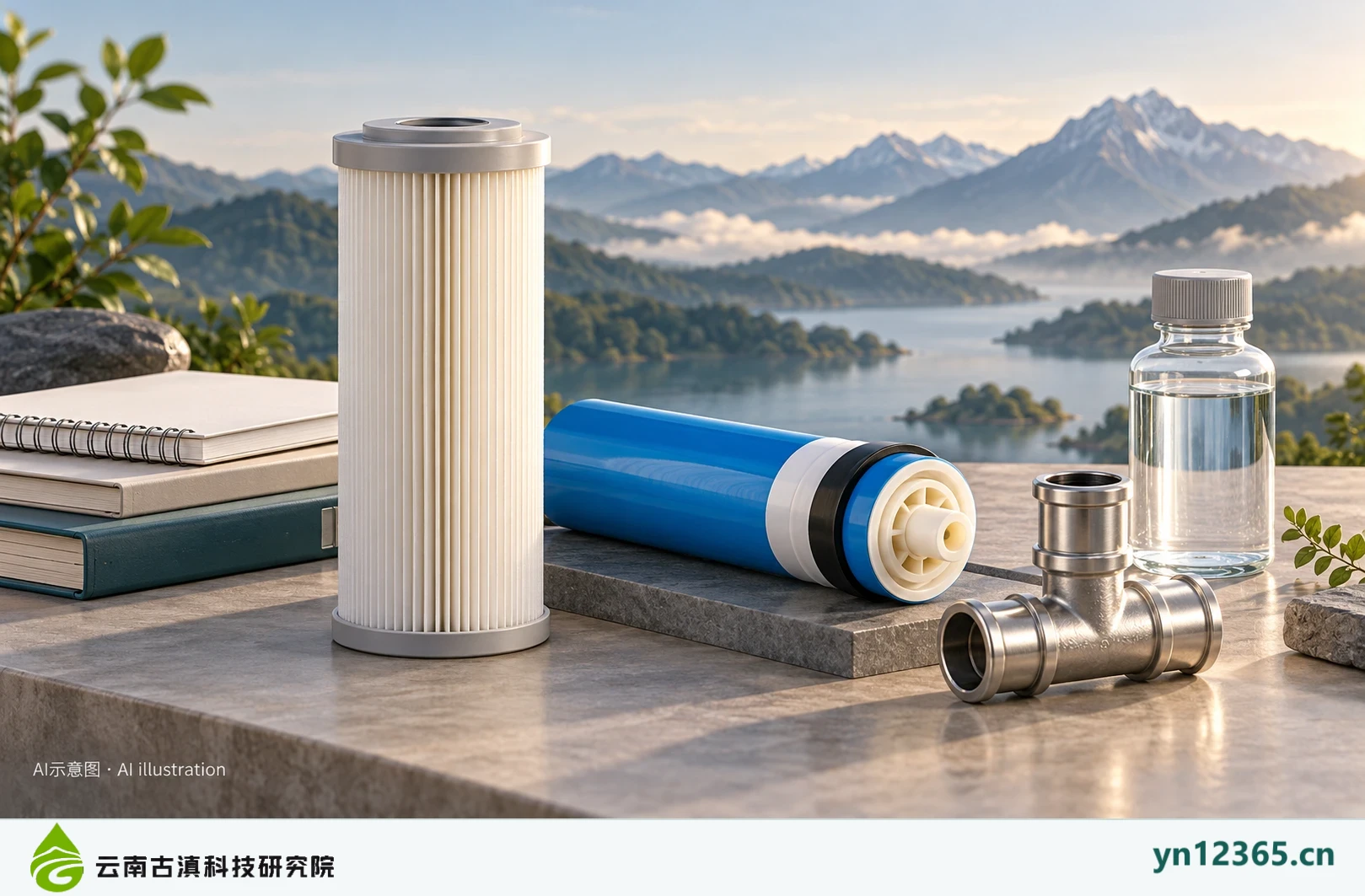
Application and equipment-selection discussion guide · AI-generated illustrations
When planning to buy water-treatment equipment, the first questions are often “What capacity do we need, and how much will it cost?” A clearer starting point is where the water will be used. Drinking, ice-making, washing and equipment make-up water within the same building may need to be assessed separately.
This illustrated directory groups common requirements into 20 categories. Find your application in the quick-reference table, then read its key questions and detailed guide. All images are AI-assisted illustrations intended to explain tasks and layouts; they are not customer-site photographs, construction drawings or evidence of equipment performance.
For enquiries in Yunnan, specify the actual prefecture or city, county or district, water source and site conditions. Attach available records of elevation, water temperature and wet- or dry-season changes in the source; mark unmeasured items as requiring confirmation. Descriptions such as “plateau water” or “well water” alone cannot determine a treatment process.
Find the application, then open its detailed guide
Links in the quick-reference table lead to full guides for each application. Each subsequent section identifies one key question and the information worth preparing before an enquiry.
| Application | One question to clarify first | Further reading |
|---|---|---|
| Rural and community water supply | Who samples, tests and maintains the treatment outlet and the most distant point of use, respectively? | Read the detailed guide |
| School drinking water | During which few minutes is dispensing most concentrated, and do teaching buildings and dormitories follow the same usage pattern? | Read the detailed guide |
| Hotels and guesthouses | When occupancy changes, which branches remain in use, and which storage facilities and outlets may stand idle for long periods? | Read the detailed guide |
| Healthcare facilities | Exactly which device or process receives the water, and who within the facility confirms its requirements? | Read the detailed guide |
| Catering and food processing | Have drinking, ice-making, ingredient preparation and cleaning been combined into one vague “purified water” requirement? | Read the detailed guide |
| Office and commercial drinking-water points | If the unit fits, is there also space to dispense water, open its doors and replace consumables? | Read the detailed guide |
| Agricultural irrigation | During filter backwashing, will downstream irrigation continue, run at reduced flow or stop? | Read the detailed guide |
| Flower-growing sites | Does “water for flowers” mean root-zone irrigation, post-harvest washing or preparation of a flower-preservative solution? | Read the detailed guide |
| Soilless blueberry cultivation | Were the EC or pH readings taken from the raw water, after fertiliser mixing or at the growing end? | Read the detailed guide |
| Factories and industrial parks | How much water is needed, and when, for production, cleaning, cooling and domestic use separately? | Read the detailed guide |
| Food-related water softening | Which branch requires hardness control, and what other application requirements apply to it? | Read the detailed guide |
| Boiler make-up water | Which boiler do the make-up water requirements apply to, and how will normal operation and regeneration changeovers be arranged? | Read the detailed guide |
| RO and EDI | Can the documents and measurement points be matched individually to the module inlet, module outlet and final point of use? | Read the detailed guide |
| Ultrafiltration and reverse osmosis | Is the task particulate retention, dissolved-component treatment or a combination of several tasks? | Read the detailed guide |
| Combined filtration and softening | What media does each vessel contain, what does it address, and are its backwashing or regeneration conditions listed? | Read the detailed guide |
| Cabinet-style water-treatment equipment | In which direction are the cartridges removed, and could walls or other facilities obstruct cabinet doors and connections? | Read the detailed guide |
| Plateau and outdoor sites | Which transport, power, seasonal water-temperature and shutdown-environment conditions already have site records? | Read the detailed guide |
| Containerised water-treatment systems | Is the boundary between the supplied equipment and on-site construction clearly defined? | Read the detailed guide |
| Water storage and supply | Which peak period is storage intended to buffer, and what supply conditions are required at the final points of use? | Read the detailed guide |
| Existing-system upgrades | When did the current problem begin, and are comparable records available from before and after it appeared? | Read the detailed guide |
Domestic and business water use
01 · Rural and community supply: check the entire chain from source to user
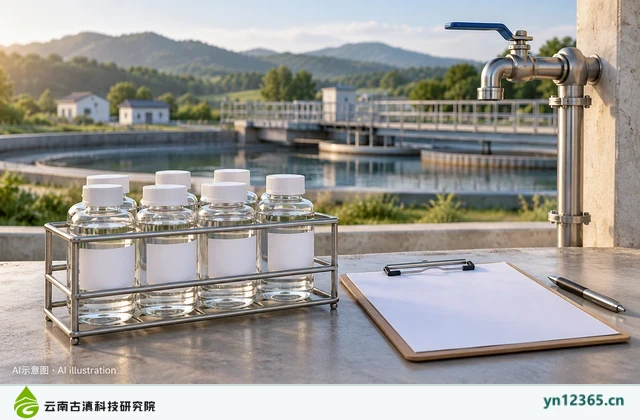
First ask: who samples, tests and maintains the treatment outlet and the most distant point of use, respectively?
List abstraction, treatment, storage and distribution separately. Source location, seasonal changes, service coverage and peak periods all belong in the requirements. Records from one treatment-unit outlet do not directly represent every endpoint downstream of storage and pipework.
When comparing quotations, state whether storage, supply pumps, pipework and maintenance management are included. For domestic drinking water, check the applicable standards and actual sampling plan. This article does not replace water-supply design, testing or operational management.
Prepare before enquiring: the actual water source, recent quality records, distribution of supply points, storage and pipework details, and the person responsible for management.
Rural centralised water-supply equipment: arranging acceptance checks from source to endpoint02 · School drinking water: distinguish break-time peaks from daily demand
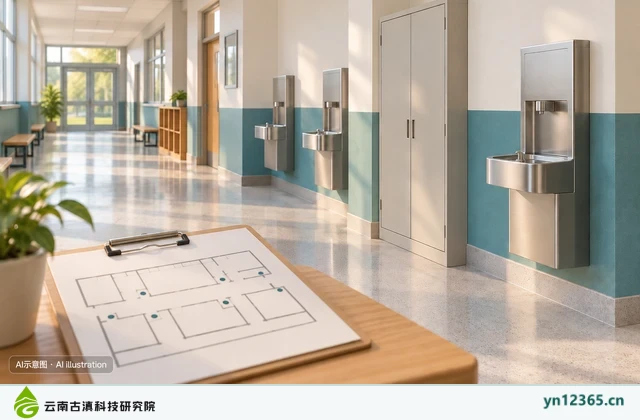
First ask: during which few minutes is dispensing most concentrated, and do teaching buildings and dormitories follow the same usage pattern?
Headcount helps describe demand but is not enough. Also record the number of points, concentrated dispensing periods, daily operating hours and existing storage. List dormitory, teaching-area and canteen uses separately so that a campus-wide total does not conceal local supply shortages.
Include responsibility for consumables, cleaning, storage and pipework, necessary testing and restart after disuse in the procurement scope. Completed installation, water flowing from a terminal, and acceptance of drinking-water management are separate matters to verify.
Prepare before enquiring: a building and dispensing-point schedule, break-time usage records, existing pipework, raw-water information and maintenance arrangements.
Planning centralised school water systems: dispensing points, peaks and management responsibilities03 · Hotels and guesthouses: assess guestrooms, kitchens, ice-making and laundry separately
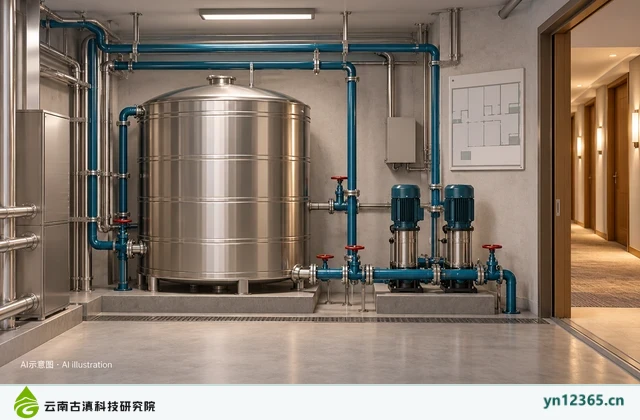
First ask: when occupancy changes, which branches remain in use, and which storage facilities and outlets may stand idle for long periods?
Guestroom water, guest drinking water, kitchen ice-making and hot water for laundry have different uses and downstream requirements. Identify peaks and equipment requirements by branch before comparing centralised treatment, point-of-use treatment and storage scopes. Room count alone cannot determine the whole configuration.
For upgrades, also clarify construction and supply-changeover arrangements while the business remains open. Compare maintenance frequency, consumables, testing and site coordination on the same quotation basis. Room or equipment photographs cannot replace these conditions.
Prepare before enquiring: uses of each branch, occupancy variations, ice-making and laundry equipment documents, current pipework and available construction periods.
Hotel and guesthouse water planning: separating guestrooms, kitchens and ice-making04 · Healthcare facilities: assess domestic water and dedicated equipment water separately
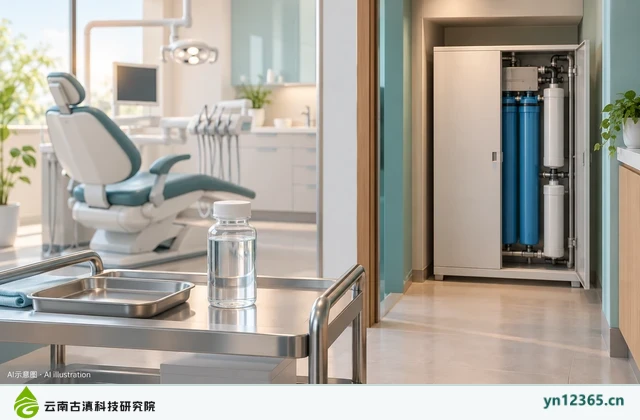
First ask: exactly which device or process receives the water, and who within the facility confirms its requirements?
“Hospital water” is not a sufficiently specific selection criterion. Ask the facility to distinguish domestic drinking, equipment cleaning, testing and other specialised uses, and to provide the corresponding equipment documents and internal management requirements.
This section only helps organise requirements. Appropriate professionals within the facility must implement the design, validation, disinfection and operational management of dedicated equipment under the applicable requirements. Ordinary water-treatment equipment, low conductivity readings or general drinking-water conclusions cannot establish suitability for specialised medical uses.
Prepare before enquiring: points grouped by use, dedicated equipment models and water specifications, validation responsibilities and site-connection information.
Understanding healthcare water requirements: checking domestic use and dedicated equipment separately05 · Catering and food processing: map the processes receiving water first
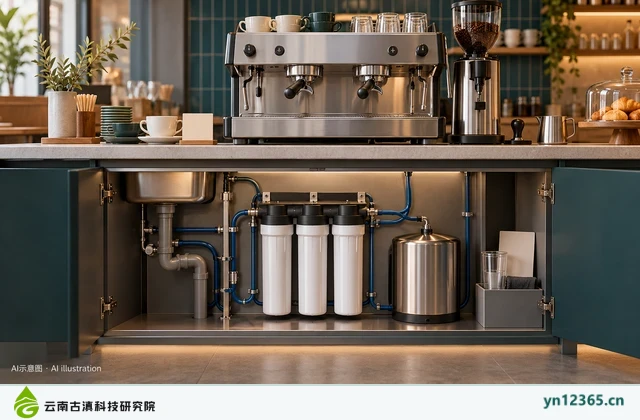
First ask: have drinking, ice-making, ingredient preparation and cleaning been combined into one vague “purified water” requirement?
Identify every stage where water contacts food, utensils or production equipment, then check downstream equipment documents and the business's management requirements. Taste, colour and equipment appearance are only observational clues; they do not replace validation for the intended use.
Beyond treatment equipment, define the management scope for storage, pipework, consumable batches, cleaning and maintenance. State the sampling point, time and conditions for test results from a particular process; do not extend them into conclusions about an entire factory or all products.
Prepare before enquiring: a process-water schedule, downstream equipment documents, source-water and testing records, storage and pipework status, and management responsibilities.
Water treatment for catering and food processing: matching uses, equipment and tests06 · Office and commercial drinking-water points: consider operation and maintenance when choosing locations
First ask: if the unit fits, is there also space to dispense water, open its doors and replace consumables?
Record actual drinking-water points, concentrated usage periods and operating hours first, then inspect feedwater, power, drainage and pipe distances. Keep estimated headcount separate from site flow and storage data so the chosen specification can be explained.
At installation handover, include consumable models, maintenance access directions and the person responsible for daily care. Recheck affected conditions after replacing a terminal, relocating a unit or adding points; one old photograph is not sufficient evidence for everything.
Prepare before enquiring: point and peak-demand schedules, feedwater, drain and power photographs, space dimensions and a daily-maintenance contact.
Configuring commercial drinking-water units: points, peaks and maintenance planningIrrigation and production water preparation
07 · Agricultural irrigation: hand over filtration and supply separately from fertigation management
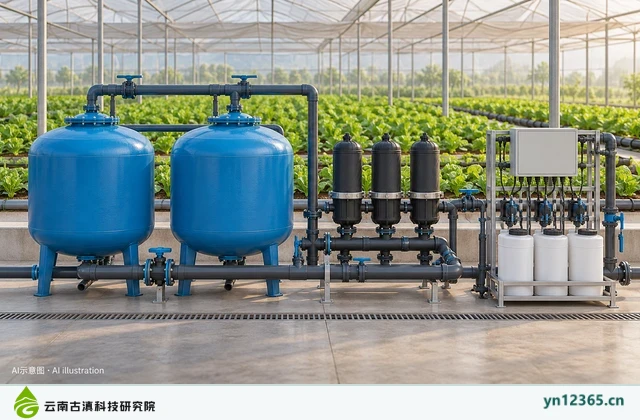
First ask: during filter backwashing, will downstream irrigation continue, run at reduced flow or stop?
Have the relevant personnel jointly check crops, cultivation methods, irrigation zones and rotation schedules. Normal filtration and backwashing are different operating conditions; confirm their water-supply and drainage requirements separately against the actual model documents.
Record the connections, control signals and responsibility for abnormalities between fertigation and water-treatment equipment on the same handover sheet. Water quality and downstream tasks determine whether membrane treatment is needed. This guide provides neither a universal nutrient-solution formula nor yield promises.
Prepare before enquiring: raw-water records, crops and cultivation methods, zoned irrigation schedules, drip-irrigation equipment and filter-backwashing documents.
Fertigation equipment integration: source water, irrigation zones and control handover08 · Flower-growing sites: discuss cultivation, post-harvest treatment and preservative-solution water separately

First ask: does “water for flowers” mean root-zone irrigation, post-harvest washing or preparation of a flower-preservative solution?
Do not conflate different stages. Confirm varieties, cultivation methods, source water and irrigation rotations before discussing storage, filtration and downstream connections. Find the relevant documents and responsible personnel separately for post-harvest treatment and preservative preparation.
The condition of flowers in a photograph cannot prove that equipment improves flowering duration, yield or quality. Retain records at the source, after treatment and at actual use points. Growing or post-harvest managers should confirm specific targets with the equipment supplier.
Prepare before enquiring: the stage of use, cultivation and post-harvest arrangements, source-water tests, storage and irrigation zones; attach the relevant product documents separately for preservative-solution preparation.
Water planning for flower cultivation: coordinating storage, treatment and irrigation09 · Soilless blueberries: record raw water, nutrient solution and drainage separately
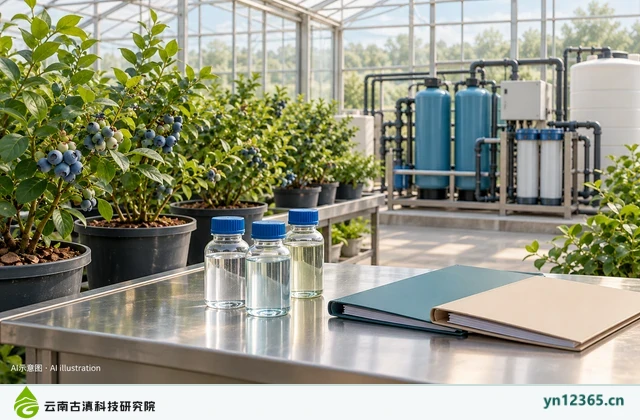
First ask: were the EC or pH readings taken from the raw water, after fertiliser mixing or at the growing end?
Readings need sampling locations, units, times and instrument details. Raw-water values and values after fertiliser mixing mean different things and should not be directly compared in one column. Management targets also depend on substrate, variety and cultivation practices.
Define in advance which connections the equipment supplier covers and which targets belong to agronomic and irrigation management. Installing RO does not establish a nutrient programme or demonstrate improved yield, fertiliser savings or fruit quality.
Prepare before enquiring: raw-water tests, demand by zone, sampling-point and instrument details, substrate and irrigation-management targets, and responsibilities.
Water planning for soilless blueberries: linking raw-water information with irrigation management10 · Factories and parks: use separate branches for different production tasks
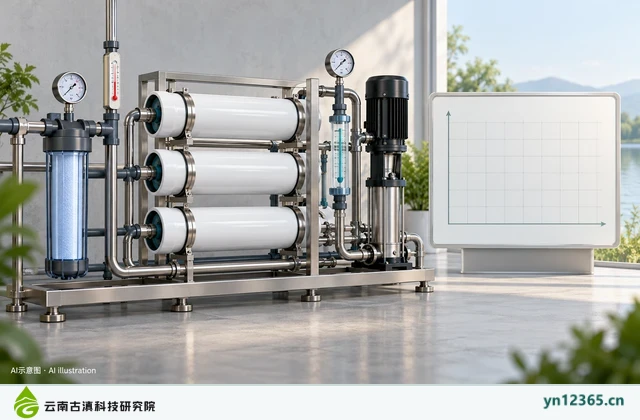
First ask: how much water is needed, and when, for production, cleaning, cooling and domestic use separately?
List the targets, daily demand and hourly peaks of each downstream process separately, then compare them with the source water and existing system. A single total capacity figure cannot explain rated production, storage arrangements and the amount of water actually available for use.
The enquiry scope should also confirm pretreatment, membrane stages, storage, connections and the destination of concentrate. Assess discharge or reuse against the actual project conditions. This page does not promise that concentrate can feed another process directly or claim unmeasured water savings.
Prepare before enquiring: branch uses, downstream target documents, operating periods, raw-water and existing-system records, and drainage and disposal conditions.
Water planning for factories and industrial parks: separating process make-up and domestic water11 · Food-related softening: a TDS pen cannot replace a hardness target
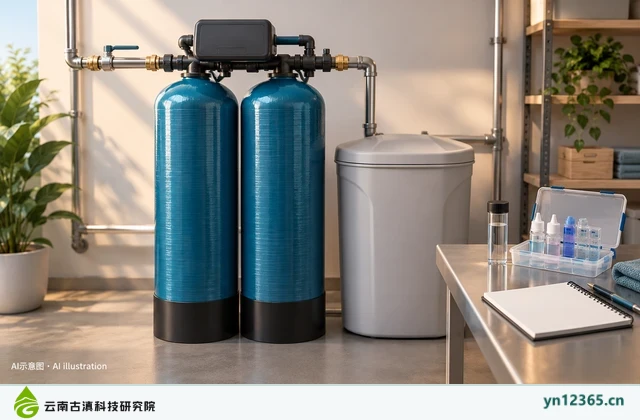
First ask: which branch requires hardness control, and what other application requirements apply to it?
Explain whether softened water enters cleaning, hot-water equipment or another stage, then check the application and equipment requirements. Assess softening separately from drinking and food-production water preparation. A softener alone does not establish suitability for every use.
Raw- and treated-water hardness, sampling locations, consumption and regeneration records should correspond. Readings from a typical TDS pen are not hardness acceptance results. Salt in the brine tank, vessel count or appearance alone cannot show whether operation is appropriate.
Prepare before enquiring: application and downstream documents, raw- and treated-water hardness, operating demand, resin and valve information, and regeneration records.
Softener selection and operation: distinguishing hardness tests, TDS and regeneration recordsTreatment processes and equipment
12 · Boiler make-up water: check the boiler documents before discussing softening and changeovers
First ask: which boiler do the make-up water requirements apply to, and how will normal operation and regeneration changeovers be arranged?
The complete boiler model, actual operating conditions, make-up demand and raw-water information together form the starting point. Softening is only one possible treatment task and does not replace complete boiler-water management. Relevant professionals must confirm applicable standards, control parameters and acceptance criteria for this project.
Where continuous supply is needed, describe regeneration, standby and changeover arrangements separately. This article gives no operating instructions for chemical dosing, boiler adjustment or protective interlocks, and does not present equipment replacement as proven energy savings.
Prepare before enquiring: boiler model and documents, operating conditions, make-up volume, source-water report, regeneration changeovers and management responsibilities.
Boiler make-up water planning: linking regeneration, changeovers and acceptance records13 · RO and EDI: hand over each treatment stage and point of use separately
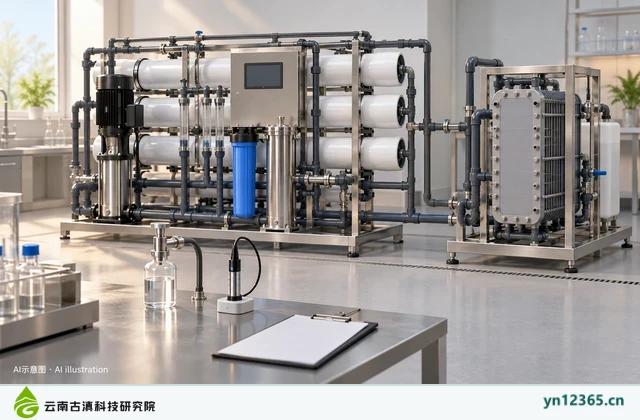
First ask: can the documents and measurement points be matched individually to the module inlet, module outlet and final point of use?
Record the RO inlet, RO permeate or EDI feed, EDI outlet, storage and distribution, and actual points of use separately. Check water quality, instruments, units and operating conditions at each stage against the selected equipment and downstream documents.
A conductivity or resistivity reading at one outlet does not establish that microbiological, organic and all downstream requirements have been confirmed. Recheck affected conditions when an adjacent stage changes. Do not copy another model's brochure values as universal acceptance criteria for this system.
Prepare before enquiring: a full process diagram, selected-module documents, feedwater tests, measurement-point and instrument details, and downstream acceptance targets.
RO and EDI integration handover: feed conditions, measurement points and acceptance14 · Ultrafiltration and reverse osmosis: define the treatment task before comparing equipment
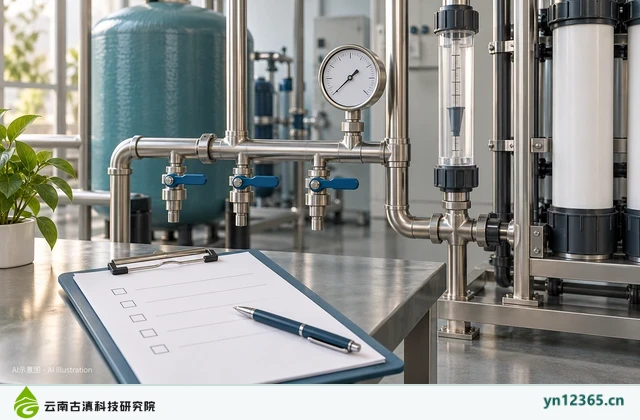
First ask: is the task particulate retention, dissolved-component treatment or a combination of several tasks?
Ultrafiltration and reverse osmosis serve different technical purposes. First establish source-water conditions and downstream targets, then consult the relevant product documents. Membrane count, equipment size or a photograph of clear water cannot replace this step.
Compare upstream treatment, membrane stages, storage and maintenance drainage within the same scope. A technical or product document explains principles and applicable conditions; it does not automatically become a test or certification record for equipment offered on this site.
Prepare before enquiring: treatment targets, a raw-water report, downstream documents, the complete scope of the equipment being compared and maintenance requirements.
Ultrafiltration and reverse osmosis: compare equipment by its treatment task15 · Combined filtration and softening: identify the task of every vessel

First ask: what media does each vessel contain, what does it address, and are its backwashing or regeneration conditions listed?
Vessel count describes layout. Match targets, media, valve assemblies, maintenance and downstream requirements stage by stage. Do not treat two-vessel, three-vessel or differently coloured arrangements as automatic grades of treatment capability.
Recheck tasks and documents after changing the source, replacing media or connecting a new downstream process. Include backwashing, regeneration, drainage and consumable replacement in the handover, retaining stage-by-stage records so changes can be traced.
Prepare before enquiring: stage targets, media and valve lists, upstream and downstream quality and operating records, and maintenance and drainage conditions.
Comparing two- and three-vessel filters: start with the task of each vessel16 · Cabinet-style equipment: measure the closed footprint and open-door maintenance space separately
First ask: in which direction are the cartridges removed, and could walls or other facilities obstruct cabinet doors and connections?
In addition to the external dimensions, mark door-opening, consumable-removal, storage-maintenance and operator spaces for the actual model. Obtain details of hidden rear connections from equipment documents or physical inspection.
Do not buy consumables solely by length or colour; they must match housings, seals and connections. After changing the cabinet, moving the unit or adding outlets, update the relevant drawings and lists to the same version.
Prepare before enquiring: model dimensions, door-opening and cartridge-removal directions, connection drawings, water, drain and power provisions, and available site space.
Siting cabinet-style water equipment: doors, cartridges and storage-maintenance accessSites, supply, distribution and upgrades
17 · Plateau and outdoor sites: place names cannot determine environmental conditions
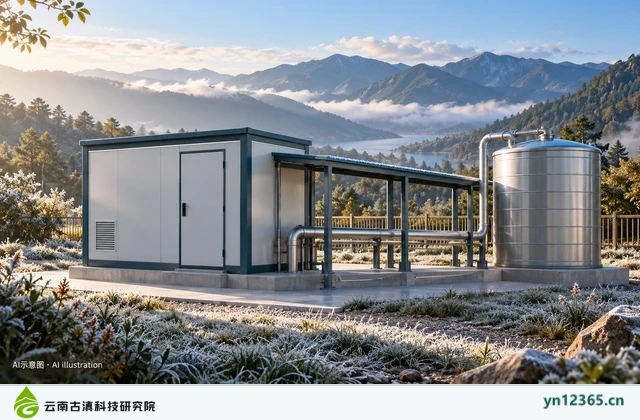
First ask: which transport, power, seasonal water-temperature and shutdown-environment conditions already have site records?
Location helps identify site conditions; it does not mean that all water in the same region has the same quality. Provide actual elevation or location, source variations, water temperature, power and maintenance access periods where possible, for the relevant personnel to compare with equipment limits.
Confirm outdoor protection, shutdown management, handling and maintenance access against equipment documents. An enclosure's appearance does not prove load capacity, frost protection, output or suitability for any site.
Prepare before enquiring: the precise location, environmental and source-water records, power and drainage, transport access and a maintenance plan.
Selecting integrated plateau water-treatment equipment: what to check beyond the enclosure18 · Containerised systems: consider internal equipment and external provisions together
First ask: is the boundary between the supplied equipment and on-site construction clearly defined?
List internal treatment, controls and maintenance access separately from external foundations, power, source water, drainage and downstream uses. Transport and lifting require the relevant equipment and engineering documents; weight and foundation requirements cannot be estimated from a picture.
Define specific responsibilities for supply, site coordination, installation and commissioning, testing and operational management. Placing the container is only one milestone; connections and handover still need checking against actual project conditions.
Prepare before enquiring: enclosure and equipment documents, a site plan, transport and lifting documentation, internal and external connection schedules, and each party's scope.
Containerised water-system implementation records: from site preparation to operational handover19 · Storage and supply: separate tasks continue beyond the treatment outlet
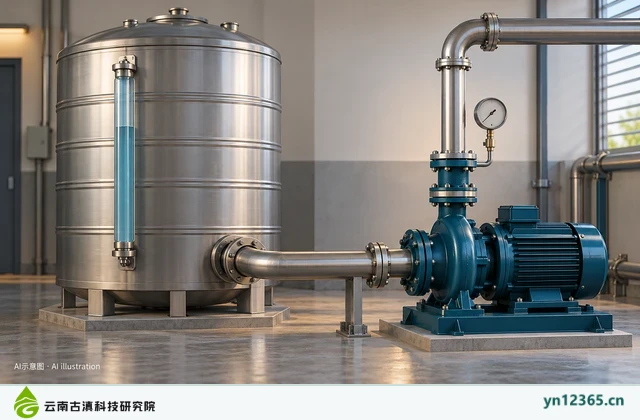
First ask: which peak period is storage intended to buffer, and what supply conditions are required at the final points of use?
Treatment, storage and supply perform different tasks. Confirm tank uses, inlet-outlet relationships, pump sets and endpoint demands separately. Storage capacity cannot be decided independently of usage periods and subsequent management.
Match materials, cleaning, maintenance, access and sampling locations to the intended use. If a tank, pump or treatment stage changes, check every affected part of the supply chain rather than retaining only a photograph of the replacement equipment.
Prepare before enquiring: storage purpose, capacity and usage pattern, pump and pipework documents, endpoint conditions and maintenance responsibilities.
Defining delivery boundaries between treatment, storage and supply20 · Existing-system upgrades: establish the current state before deciding what to retain or replace
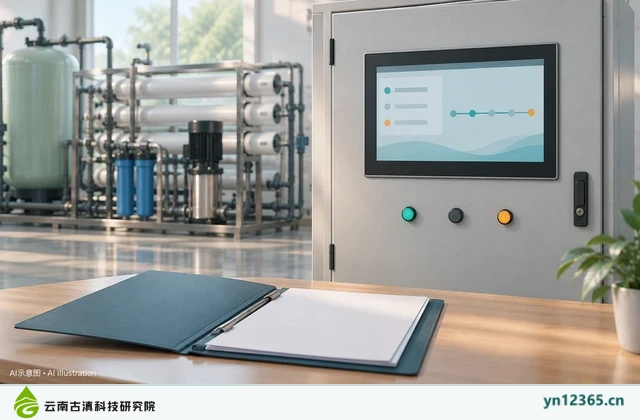
First ask: when did the current problem begin, and are comparable records available from before and after it appeared?
Organise existing equipment models, connections, operating records and recent changes. Explicitly mark unidentified pipes and unknown parameters as requiring confirmation. Before changing membranes, pumps, valves or controls, state this upgrade's target and which stages are to remain.
Include changeover timing, temporary supply, handling of old parts and retest conditions in the scope. Starting successfully is not acceptance of an upgrade. Record efficiency or cost changes under comparable conditions; the appearance of new equipment cannot demonstrate them.
Prepare before enquiring: the existing-system inventory, connection and operating records, a problem timeline, proposed changes, and changeover and retesting arrangements.
Planning an existing water-system upgrade: recording retained scope, changes and retestsPrepare a requirements note that supports the next discussion
You do not need to fill in every technical parameter at the outset. Separate established facts from items awaiting confirmation to make the first discussion more specific. Remove unrelated people's details, telephone numbers and internal accounts from site materials.
| Item | Information to provide |
|---|---|
| Location and use | Actual prefecture or city and county or district; which points or processes will receive the water |
| Raw water and existing records | Water source, sampling points and test dates; mark missing information as requiring confirmation |
| Demand and timing | Daily demand, concentrated peaks and operating periods; identify estimates versus measurements |
| Site and existing equipment | Feedwater and drainage, power, space, connections, current models and retained scope |
| Delivery and operation | Who handles site coordination, installation, acceptance and maintenance; any specific deadlines |
After submission, first confirm the task, available information and gaps, then check specific models, quotations and the scope of supply and service.
Open the official website's enquiry pageFrequently asked questions
Can one system cover every use in a school, hotel and factory?
The equipment name alone cannot establish this. First classify actual uses such as drinking, processing, cleaning and process make-up, then check raw water, demand, downstream documents and operational management. These application categories support questions and information gathering; they do not replace a specific selection assessment.
Are low TDS, clear appearance or water flowing from a machine sufficient for acceptance?
These observations do not cover all requirements for the intended use. Test parameters, sampling locations, conditions and applicable criteria must match the task. Results at treatment stages, storage and pipework, and endpoints cannot substitute for one another.
Can the article's images be used directly for construction or to prove project experience?
No. These AI-assisted illustrations help explain equipment categories, tasks and layouts. They do not establish model dimensions, construction connections, customer identities, test data or engineering results. Use the relevant equipment and project documents for actual implementation.
Can I enquire before obtaining a complete water-quality report?
Yes. Organise known conditions and questions, send the water source, intended uses, demand, location and site photographs, and mark gaps as requiring confirmation. An initial discussion identifies the next information needed; it is not a final equipment selection, quotation commitment or acceptance conclusion.
Can one water-treatment plan be copied across Yunnan's prefectures and cities?
A place name cannot replace actual source-water information, tests or site conditions. Even nearby locations may differ in source water, processes, pipework and maintenance access. Check the particular task and confirm the precise scope of supply, site implementation and subsequent service.
References and scope of use
The following sources were checked during preparation on 21 October 2026. Confirm the applicability of technologies and standards to the specific use. Overseas sources provide background only and do not replace domestic requirements.
- National Standards Open Platform: GB 5749—2022, Standards for drinking water quality: checked the name and current status of the drinking-water standard; this does not establish that equipment or a project has passed acceptance.
- National Public Service Platform for Standards Information: GB/T 1576—2018, Water quality for industrial boilers: checked the industrial boiler-water standard and revision-plan status; a plan's title does not mean a new standard has taken effect.
- FAO: Water Quality for Agriculture, water-quality evaluation chapter: explains why irrigation suitability depends on the use, crop and management conditions; historical background, not a universal recipe for soilless blueberries.
- CDC: water risks and management in healthcare facilities: explains the need to identify water uses and management responsibilities in healthcare facilities; overseas background that does not replace domestic requirements or specific medical-equipment documents.
- DuPont: ultrafiltration technology overview: used to distinguish ultrafiltration tasks; it does not establish manufacturer authorisation, certification or complete-unit performance for GUDIAN Water.
Compiled by GUDIAN Water with AI-assisted editorial planning and editing. Checked on 21 October 2026 against the sources listed on this page. This page supports equipment-selection discussions; specific designs, operation, acceptance and supply or service scope must be confirmed from actual water quality, uses, site conditions and relevant documents. All images are AI illustrations. Sources provide technical background, not government, institutional or manufacturer endorsement.