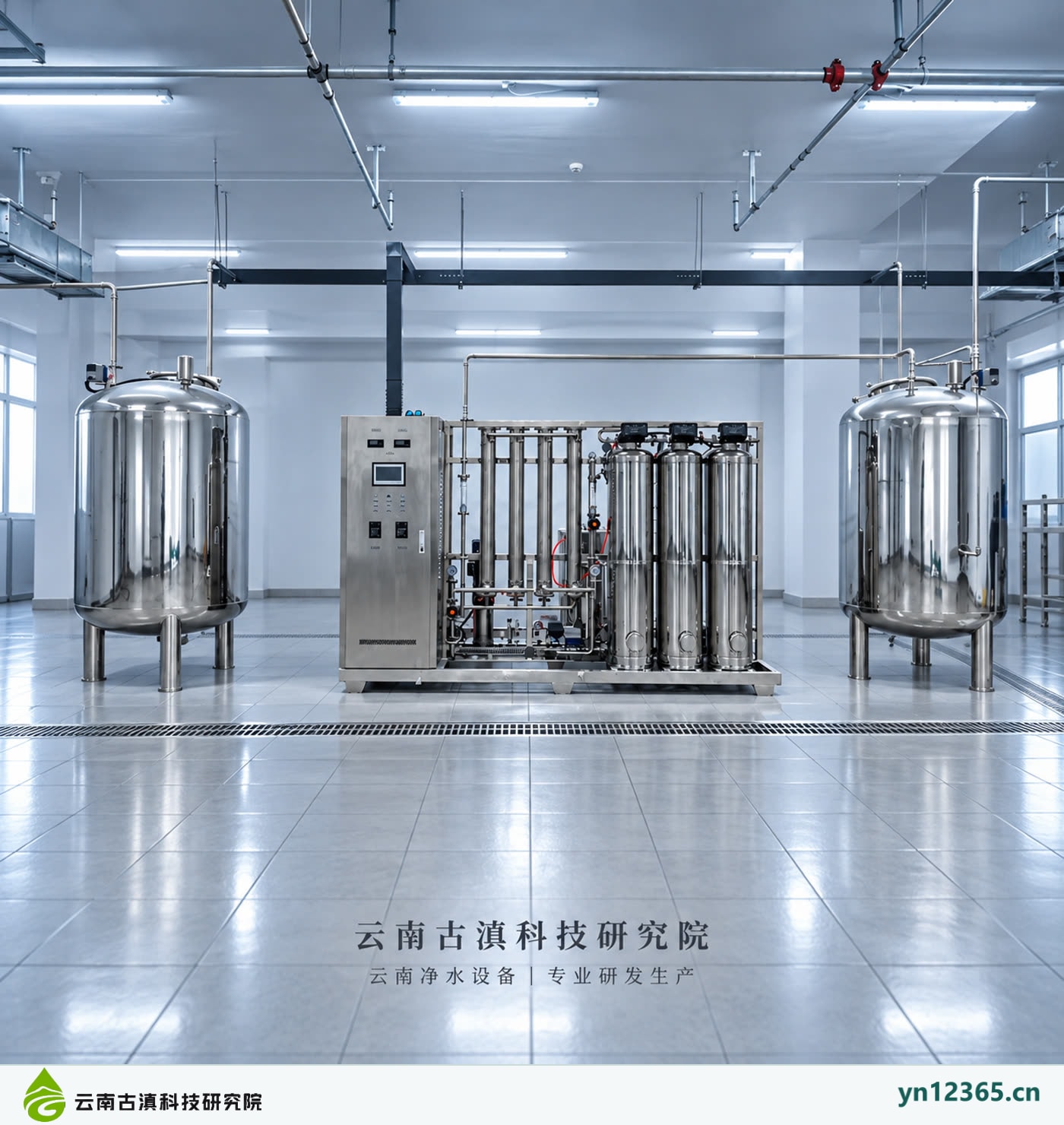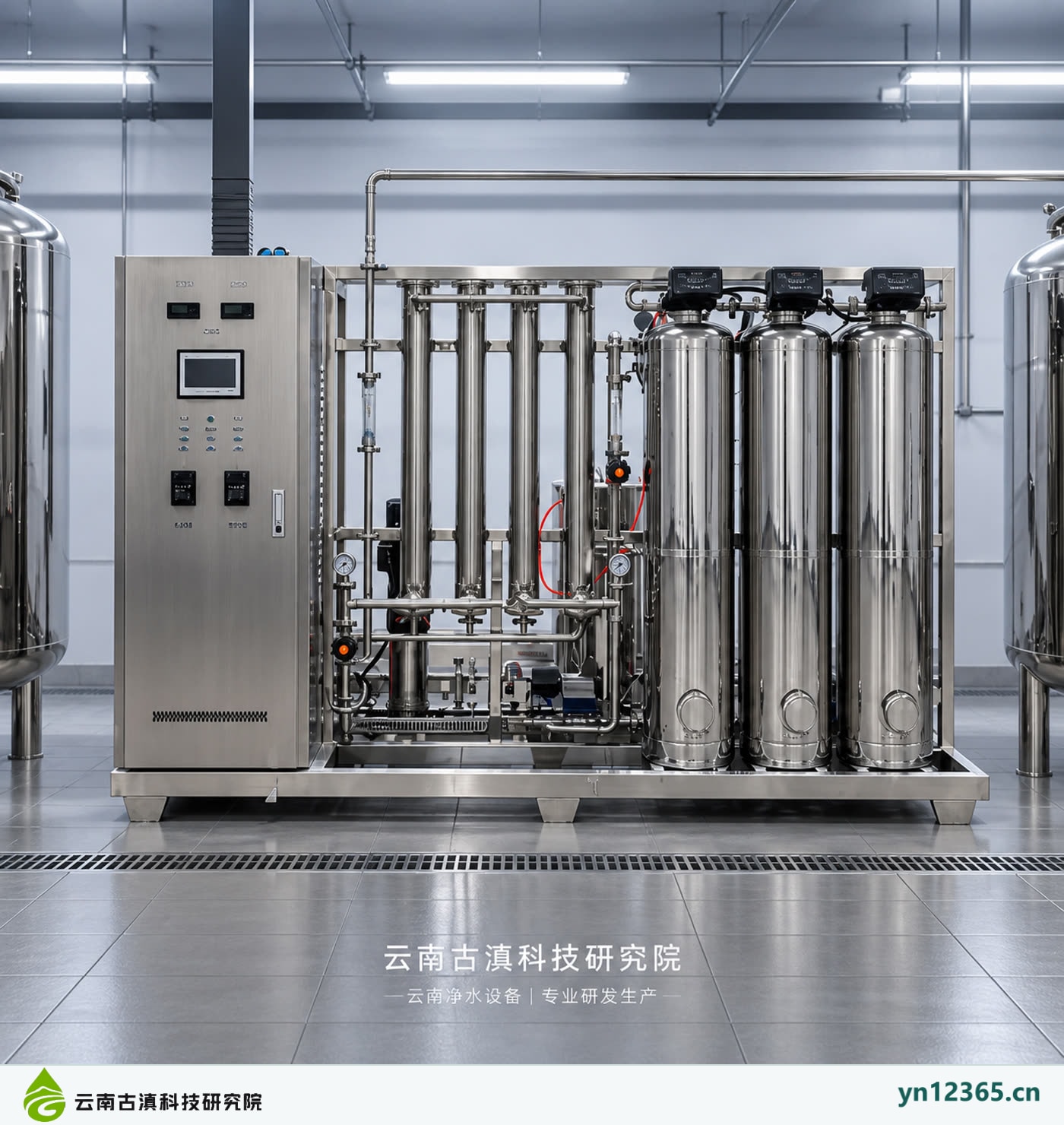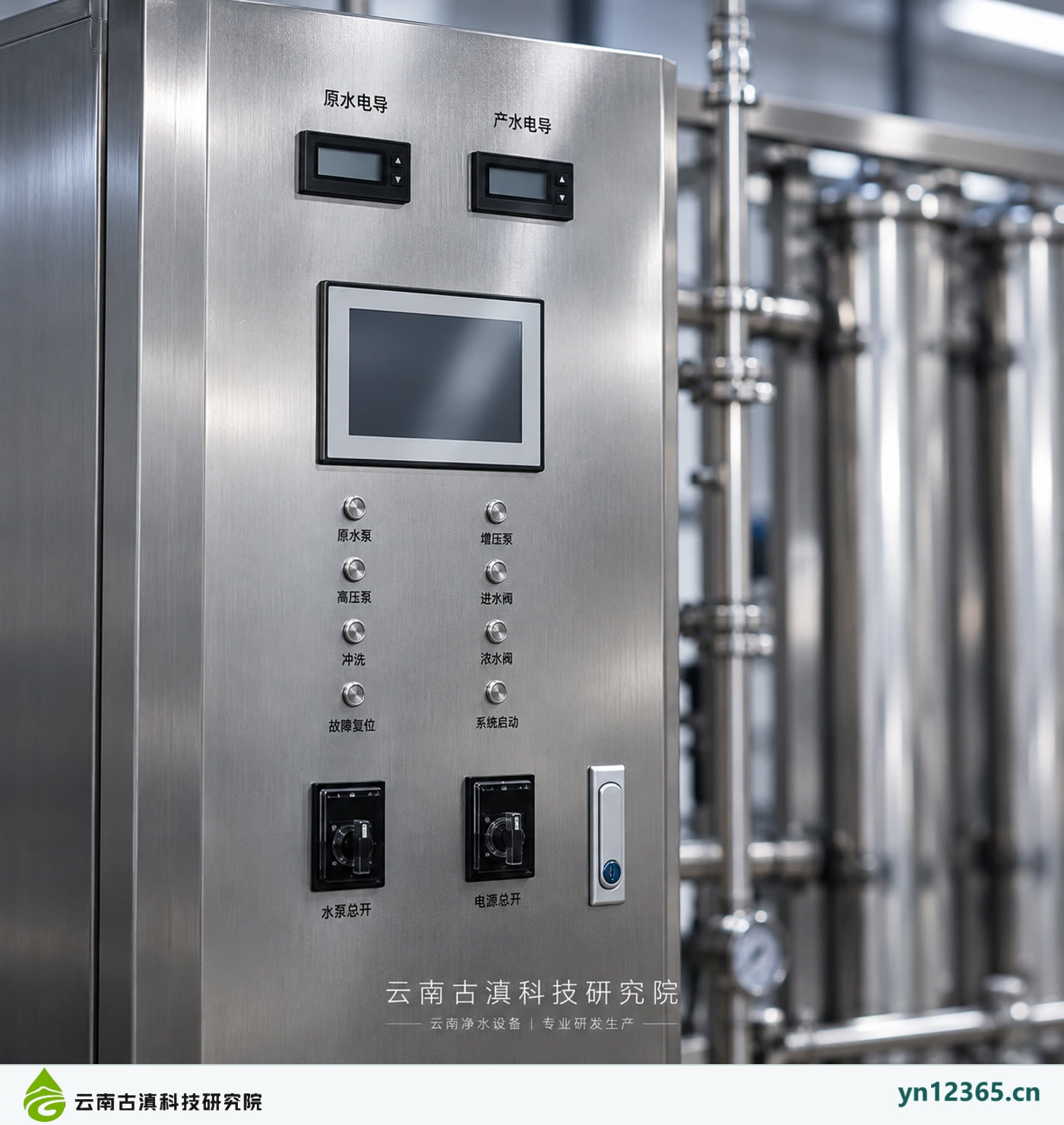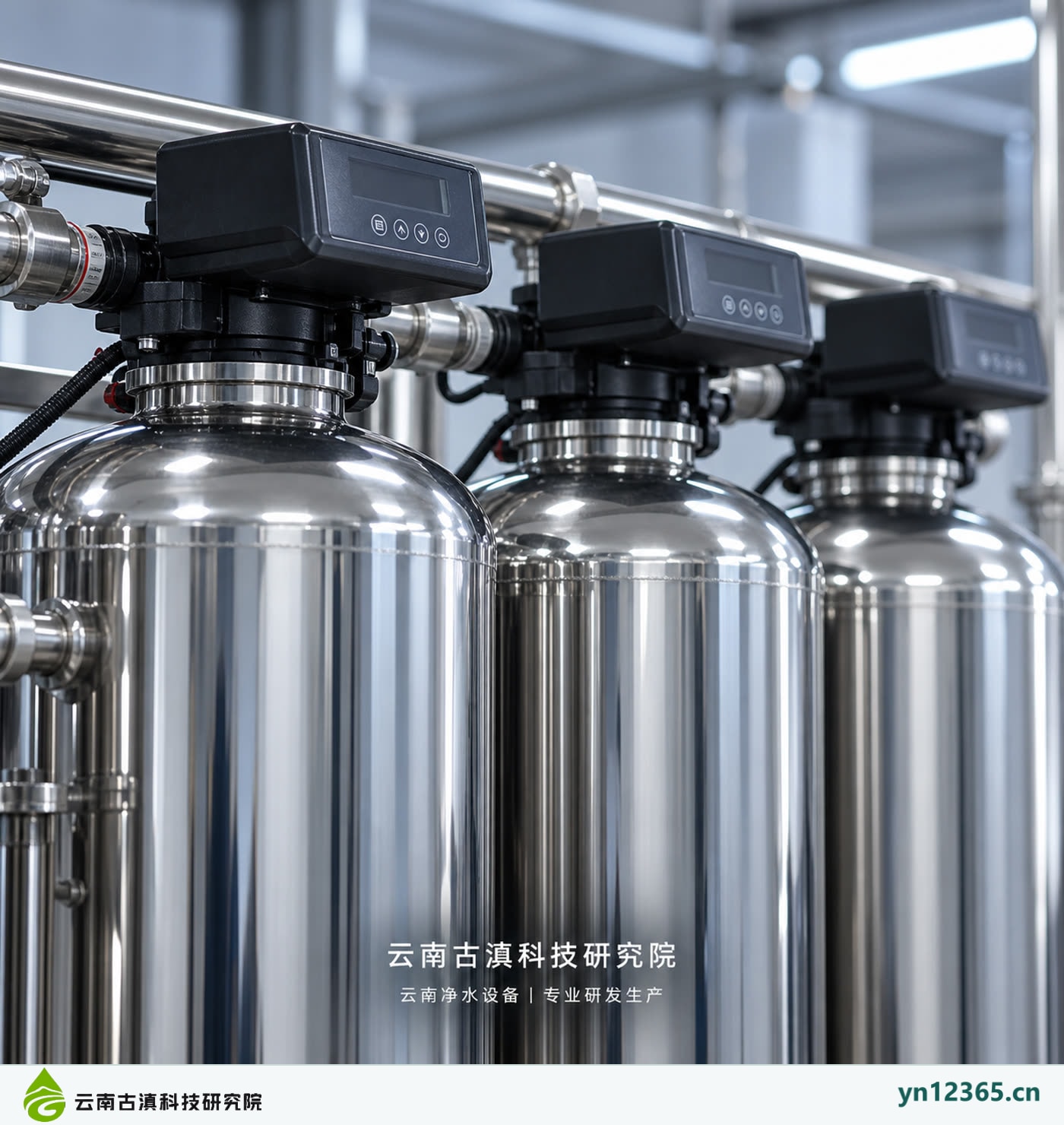
Features
Irrigation points, testing, and equipment arrangements
Define application conditions and responsibilities
Keep document versions and unresolved items
Applications
Specifications
| Requirement details | Raw water, intended use, demand, and site conditions |
|---|---|
| Implementation and acceptance | Based on applicable requirements and the confirmed scope |
Start with your requirements
Compile water source, irrigation method, crop management, and downstream requirements for agricultural water treatment discussions. Confirm treatment and supply scope separately.
Provide the project city, intended use, equipment or consumable information, and available documents. Record daily demand separately from peak demand. Relevant technical staff should check missing conditions; the appearance of water or a place name alone cannot determine a system design.
Confirm the scope and responsibilities
Confirm the responsible parties, conditions, fees, and timing separately for supply, transport, installation and commissioning, testing, and ongoing management. Remote document discussions cannot replace all site work. Listing a region does not mean there is a local branch. The manufacturer, permits, or authorizations must match the specific model and documents.
Resources for the next step
Purchasing and Maintenance Knowledge Center
Prepared with AI assistance. This page supports document-based consultation; it does not guarantee water quality, financial returns, or service response times.
Prepare further information on irrigation water
Describe agricultural irrigation, soilless cultivation, and fertigation water requirements separately. First provide the actual water source, test dates, and relevant records such as EC, pH, and alkalinity. Then describe the crops, growing media, irrigation method, zones, and peak supply demand. A place name or a single test parameter cannot determine the treatment process.
Check the interfaces and responsibilities of filtration, storage, water treatment, and fertilizer application systems. Appropriate professionals must confirm nutrient formulations and cultivation management against site conditions. Equipment arrangements must not be promoted as guaranteeing fixed yield increases, water or fertilizer savings, or financial returns. Confirm supply, installation, and site services separately for this project.
Source-water testing for soilless cultivation: what EC, pH and alkalinity tell you · Agricultural water system interfaces and handover information · Fertigation dosing equipment
Separate growing requirements into source-water, filtration and downstream information
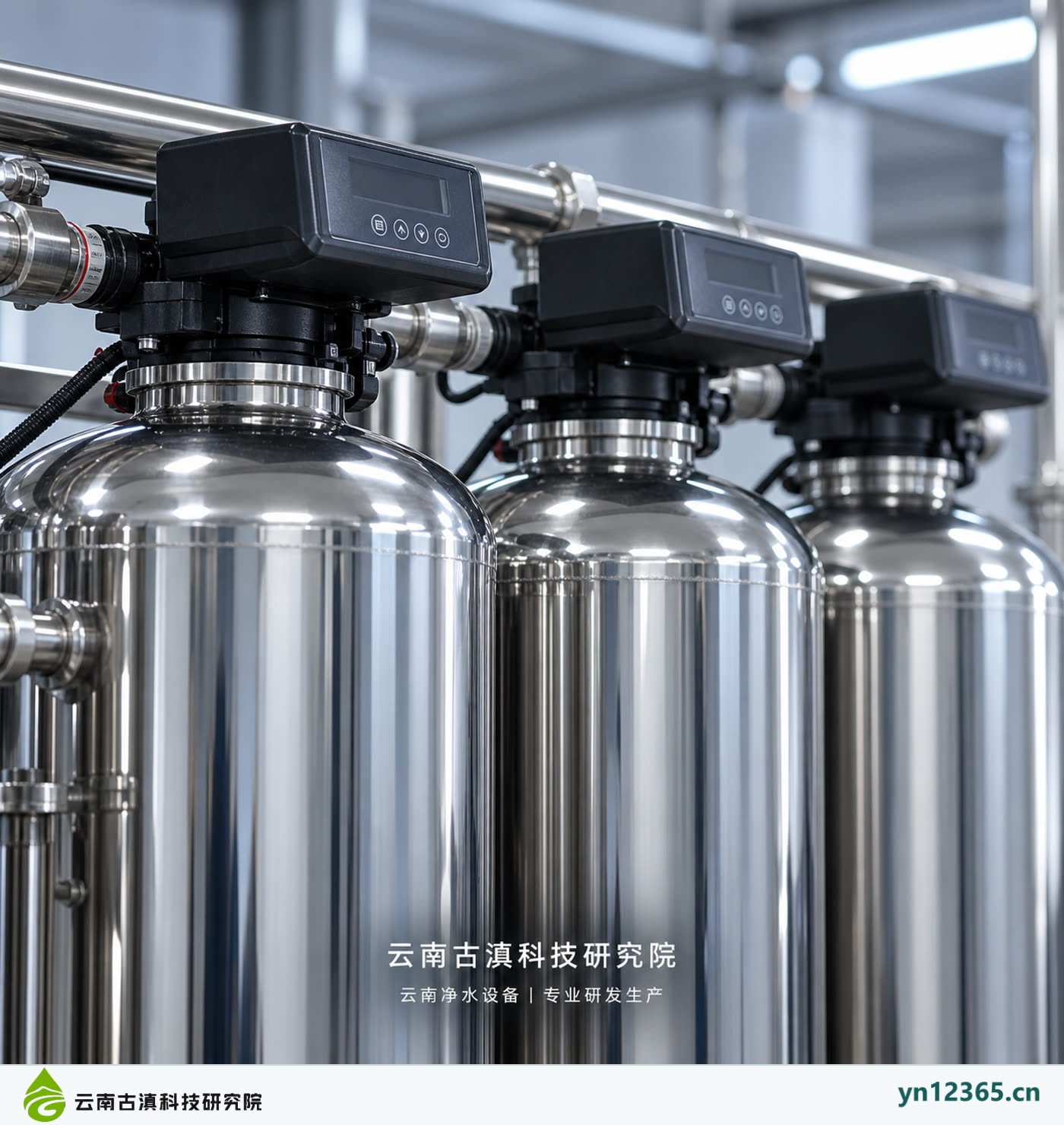
Agricultural water equipment selection starts with the growing method and actual water source. For soilless cultivation, consider how source-water quality affects nutrient-solution management. For drip irrigation, also check emitters, filtration ratings and water supply to each zone. Water treatment equipment does not replace a growing plan, and equipment images do not demonstrate increased yields or fertilizer savings.
| Requirement | Information to prepare | Further reading |
|---|---|---|
| Source water and water preparation | Source-water report, EC units, pH, alkalinity and relevant ion data | Source-water testing and water preparation guide |
| Filtration and water supply | Emitter models, irrigation zones, differential pressures and backwash records | Drip irrigation filtration and backwashing guide |
| Fertilizer application and management | Crop growth stage, nutrient formulation and responsibility for control | Fertigation requirements guide |
| Purchasing and handover | Project location, site conditions and division of responsibilities | Confirm quotations and regional service arrangements |
Related resources and next steps
Sources and scope
Drafted with AI assistance on 8 October 2026 and checked item by item against the knowledge base and the public sources below. Manufacturer information explains the relevant technology; it does not imply that Gudian is an authorized distributor or manufacturer for that brand. Equipment specifications are subject to the selected model and confirmed documents.
- UMass Extension: irrigation water analysis
- Netafim irrigation filtration catalogue (2024, v4.0, page 10)
Water preparation for blueberry and flower projects in Yunnan
State the crop and growing method, water source, test date and instrument sampling point. Compare raw-water EC, pH, alkalinity and relevant ions with the grower’s management targets. Emitter-protection filtration, source-water treatment and nutrient-solution management have separate duties; “blueberry water treatment” does not determine that RO is required.
Official reports from Lijiang and Baoshan provide local context for protected agriculture and fertigation. Gudian uses them to organize enquiry questions; their farms, photographs and reported results are not our project cases.
Lijiang water-preparation and supply records · Baoshan filtration and consumable records · Source-water tests and sampling points
Yunnan commerce department: Lijiang blueberry report (10 April 2026) · Yunnan agriculture department: Longyang protected-agriculture report (10 July 2025)
This local-context and navigation section was added on 10 October 2026. Relevant specialists must confirm crop formulations, equipment configuration and acceptance for each project.