
Technical articles and news
Understand the requirements for equipment selection and maintenance handover, and download practical checklists.
Technical articles and news 19965–72
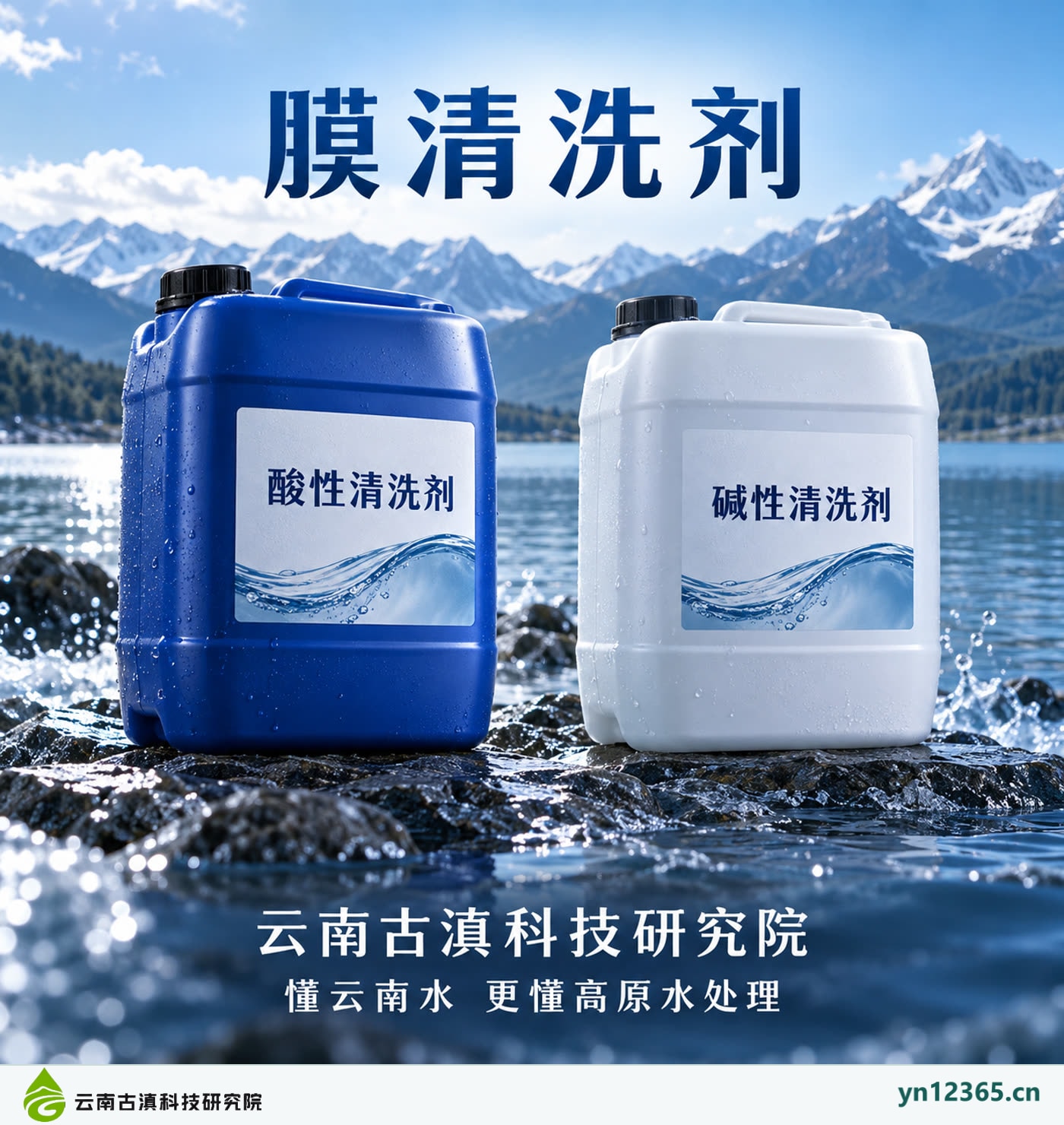
Choosing membrane cleaning chemicals: fouling assessment, material compatibility, and follow-up testing
Cleaning chemical selection should be based on actual membrane system information and analysis of abnormalities. A change in water production does not establish the fouling type. Do not copy cleaning formulations from general articles or arbitrarily increase concentrations to pursue a recovery figure.
View details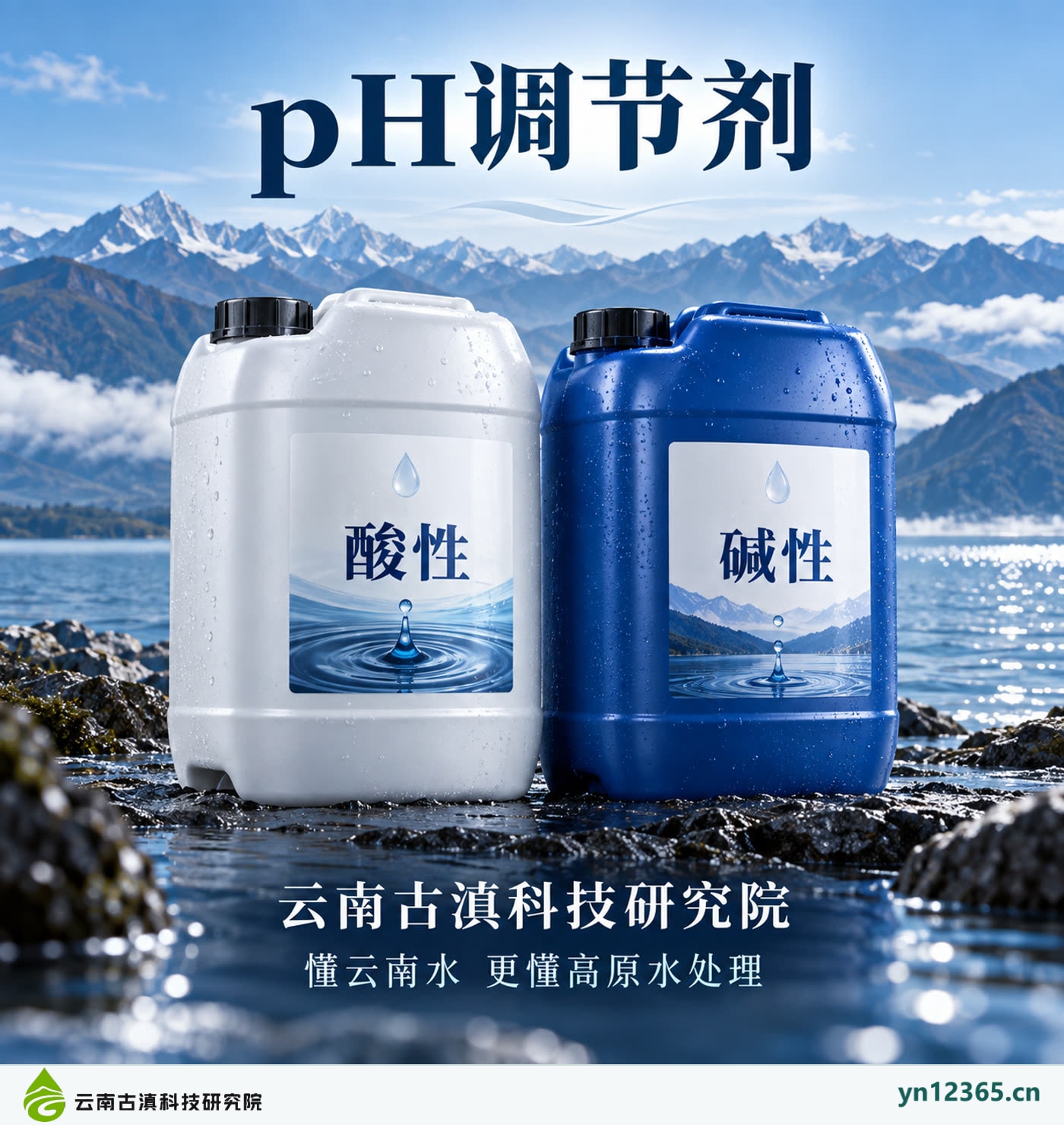
pH adjustment resources: measurement, control objectives, and safety handover
The control target for pH adjustment comes from the specific process and downstream use. One raw water reading cannot directly provide a dosing plan. Color or acid and alkali names cannot replace application and safety documents for the chemicals.
View details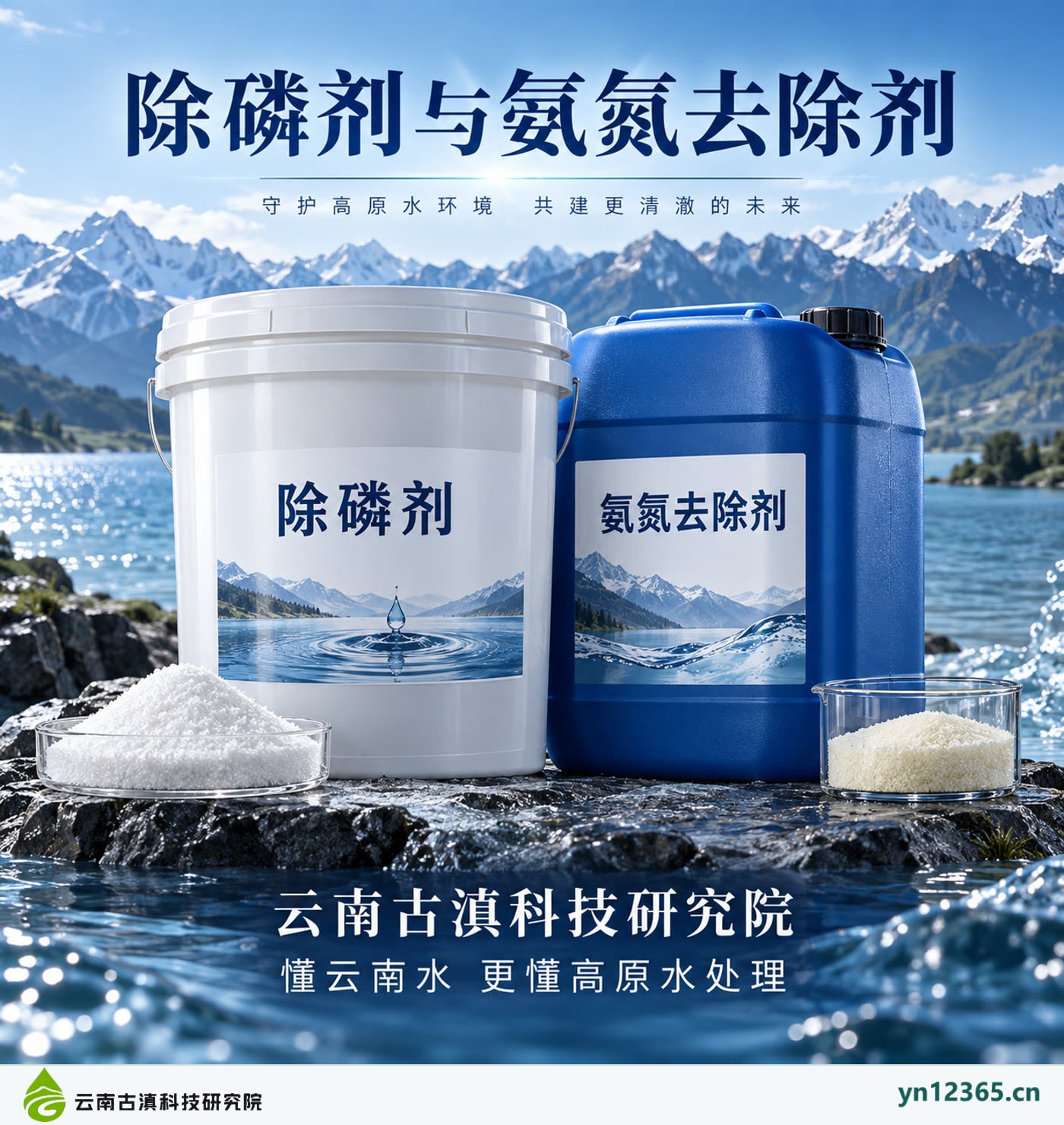
Phosphorus and ammonia-nitrogen removal chemicals: why the two tasks need separate assessment
Phosphorus removal and ammonia nitrogen control are different treatment tasks. When purchasing, identify the specific parameters of concern, the medium, and the existing process. A name such as "all-purpose removal chemical" cannot replace testing, trials, and system assessment.
View details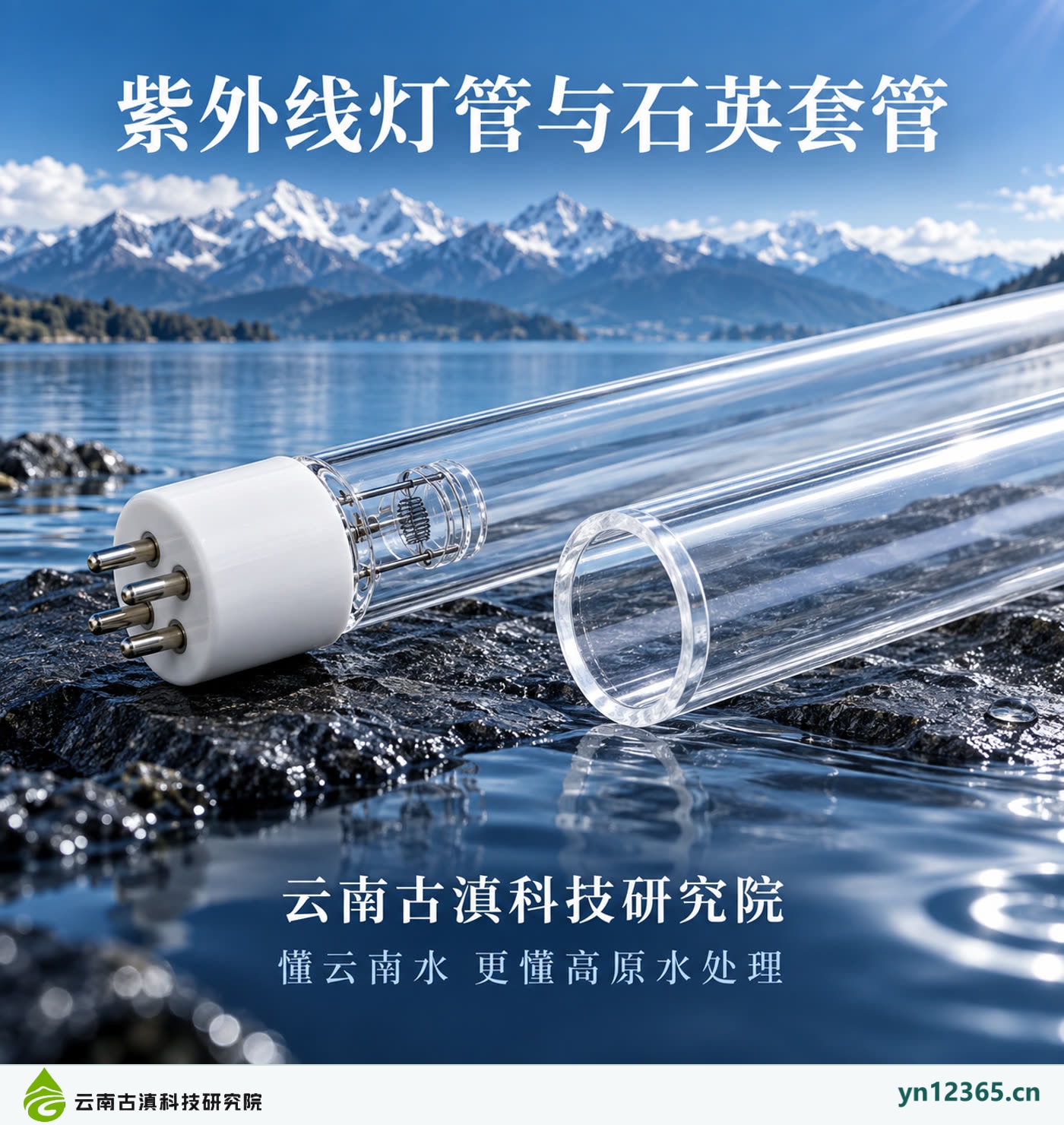
Maintaining UV lamps and quartz sleeves: compatibility and disinfection conditions
UV disinfection accessories must match the specific equipment. A lamp that lights up does not mean disinfection conditions are met. Flow, water quality, equipment condition, and corresponding validation requirements still need checking.
View details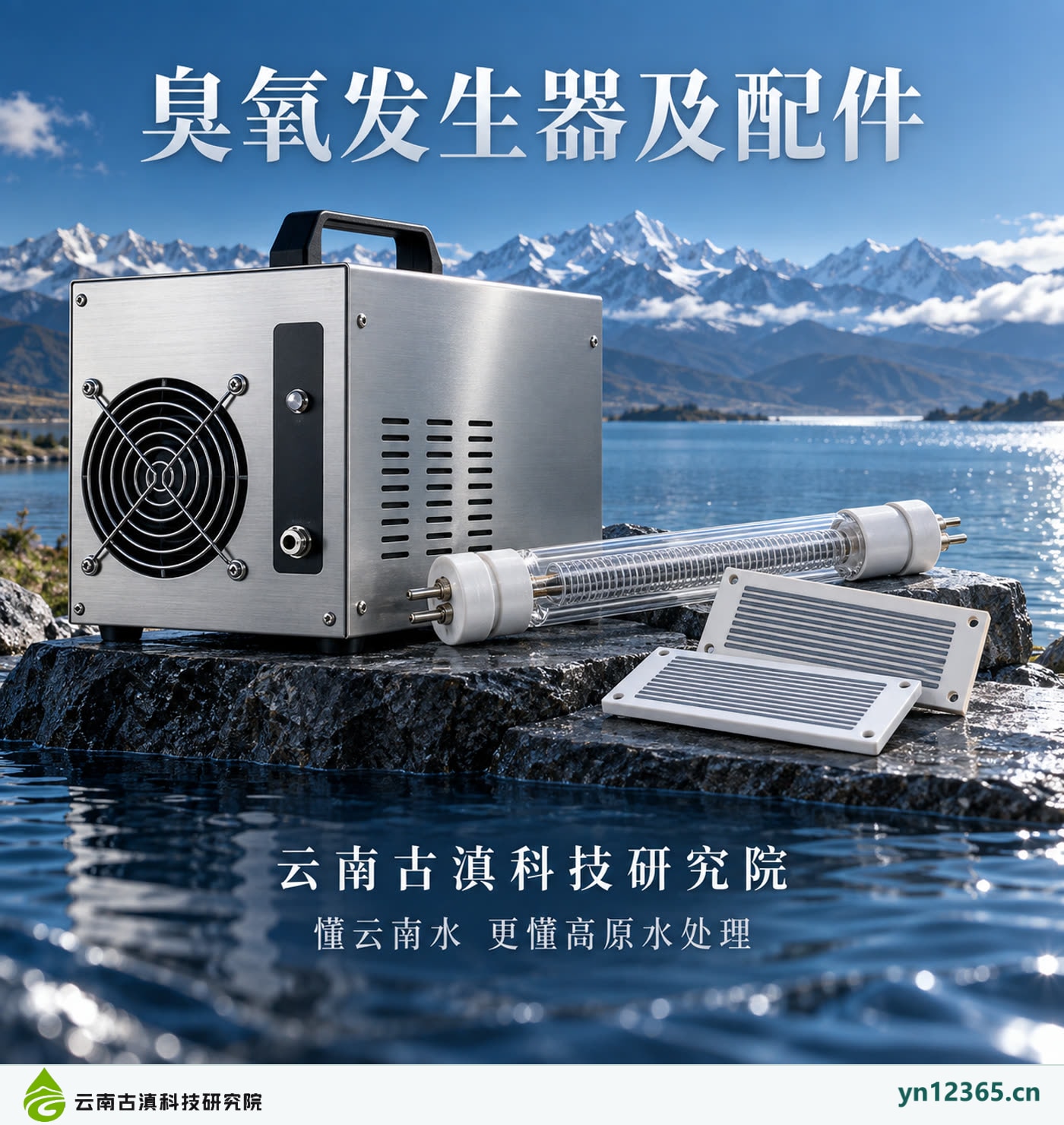
Selecting ozone generators and accessories: intended use and site safety conditions
Assess ozone equipment for the specific treatment application and site conditions. Equipment names, rated output, or appearance do not directly establish water quality results. Gas use and maintenance require defined safety boundaries.
View details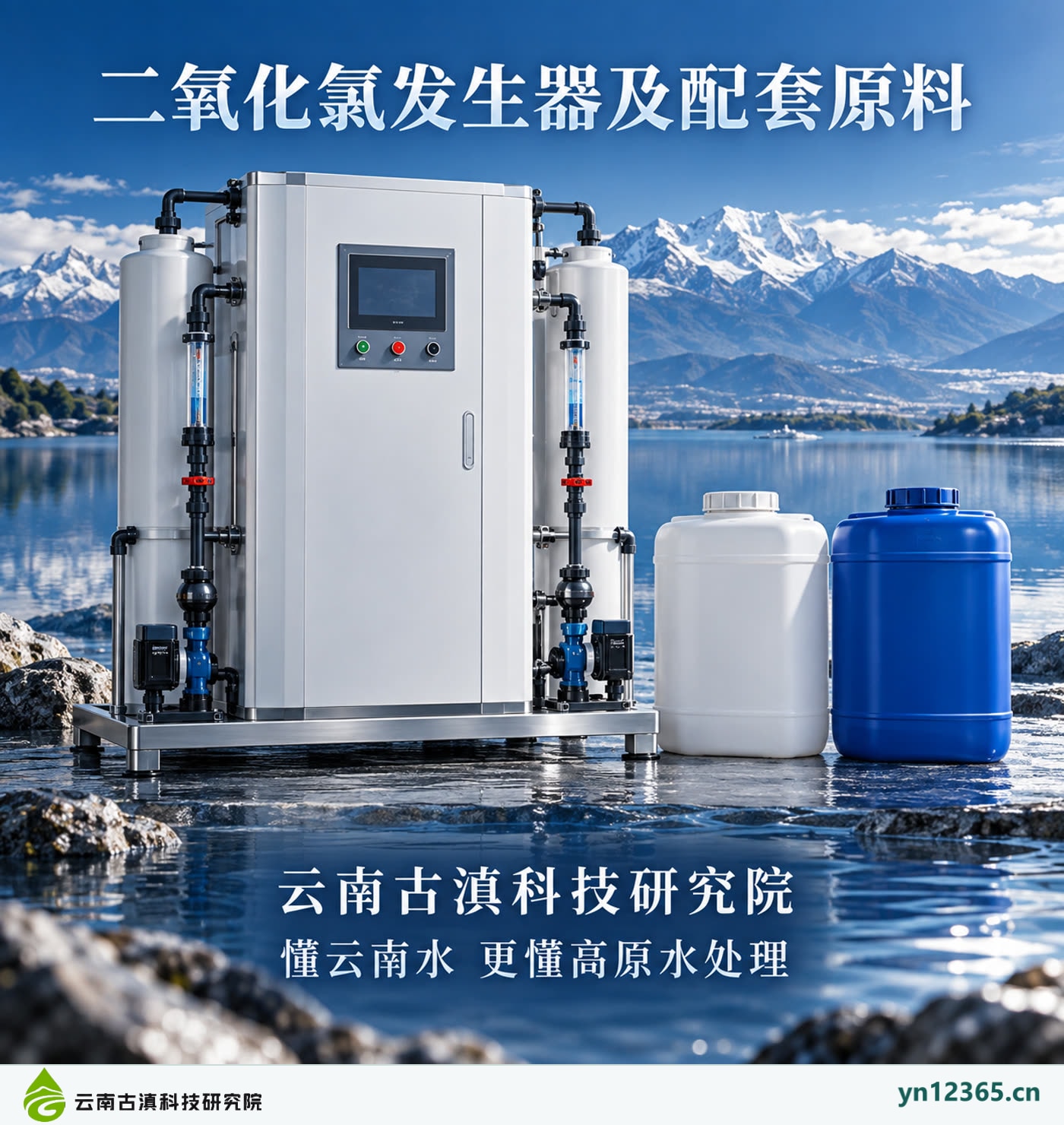
Purchasing and handing over chlorine dioxide equipment: feedstock and responsibilities
Check chlorine dioxide generators and their raw materials together against the specific application and product requirements. Similar raw material names or equipment models do not mean interchangeability. Site operations must not use ratios from general articles.
View details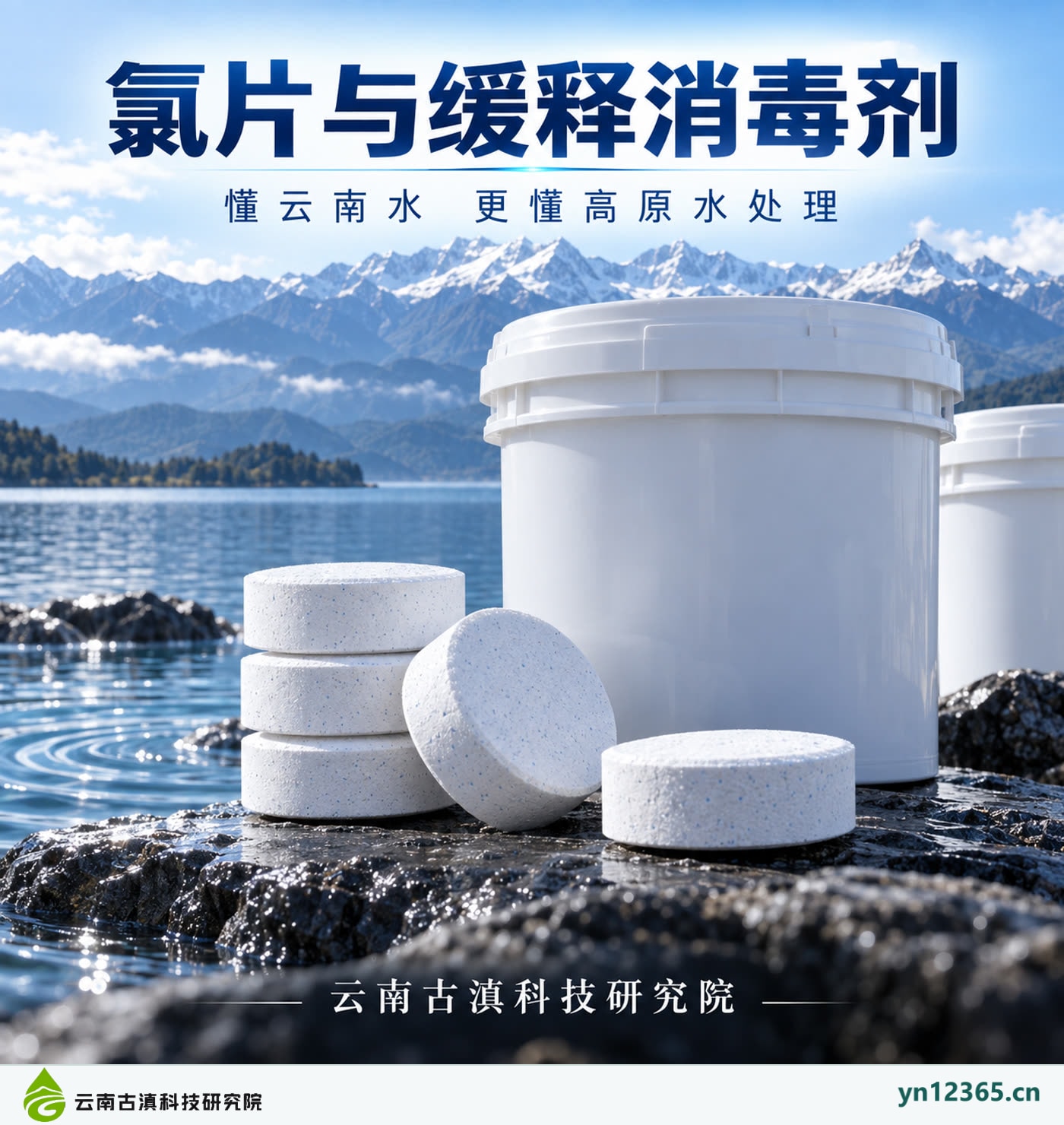
Buying chlorine tablets and slow-release disinfectants: product information, applications, and storage
Select chlorine tablets and slow-release disinfectants using the specific product documentation and actual application. The same number of tablets cannot be used for different water volumes or water qualities. Water without an unusual odor does not establish that disinfection management is complete.
View details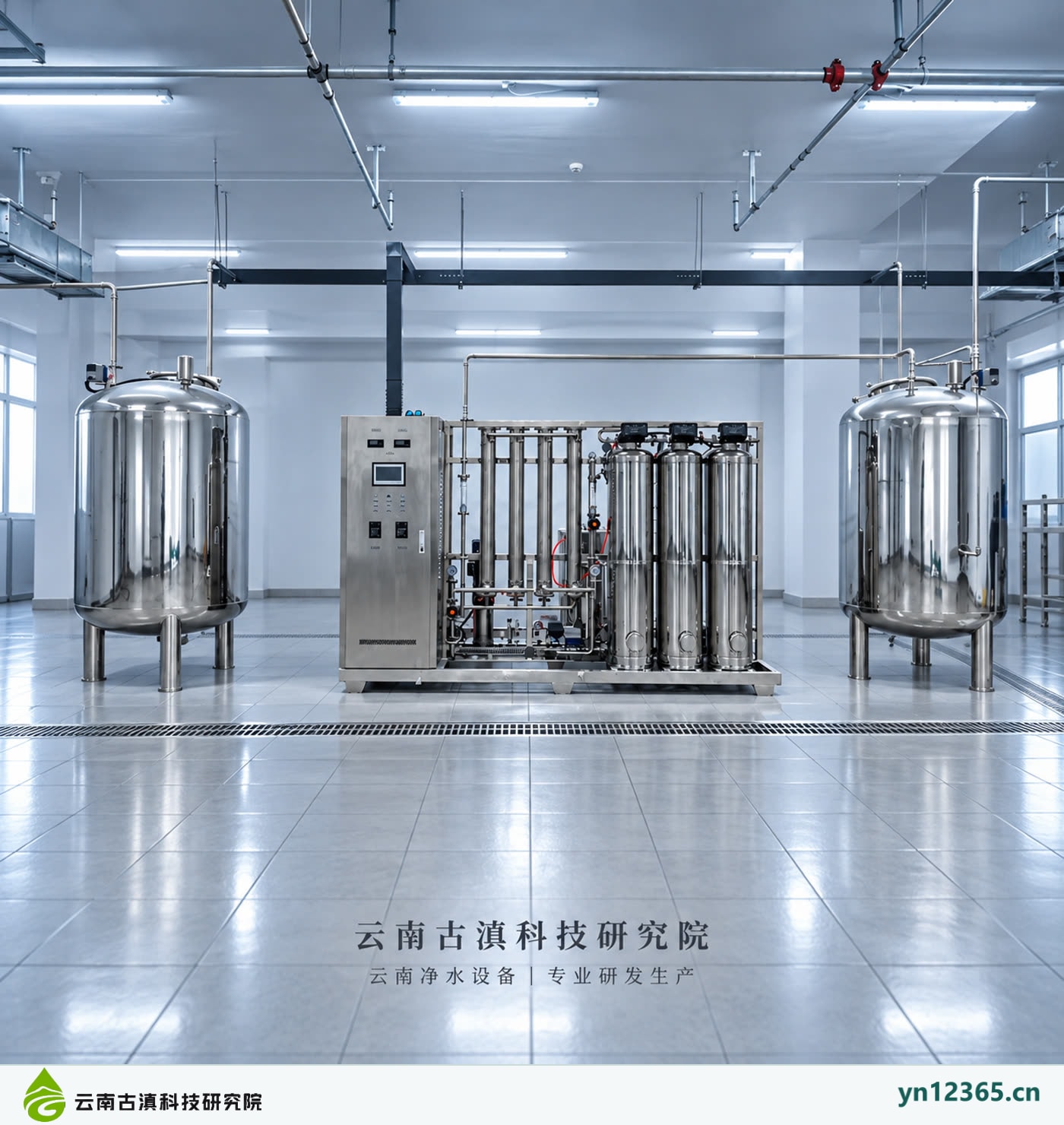
Choosing integrated highland water treatment equipment: what to check beyond the enclosure
Integrated equipment groups the relevant treatment and control stages together. Selection still starts with the water source, application, and demand. Enclosure dimensions, tank count, or the name "high-altitude" do not replace model documentation and site assessment.
View detailsTell us about your water needs
Describe your water source, intended use, and water demand so technical staff can prepare advice.