
Technical articles and news
Understand the requirements for equipment selection and maintenance handover, and download practical checklists.
Technical articles and news 19949–56
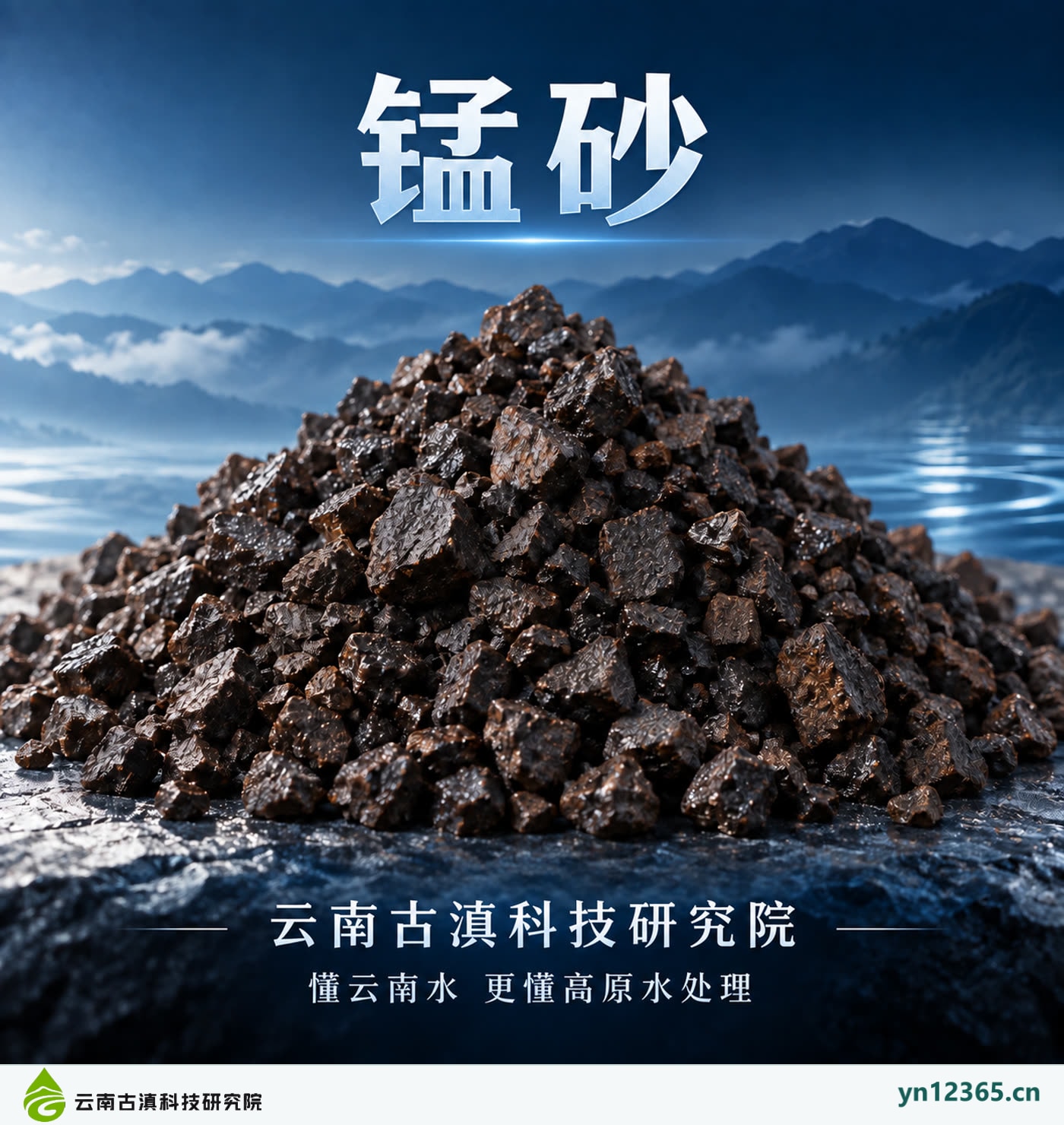
Before choosing manganese filtration: iron and manganese testing and process conditions
Yellow water alone does not prove excessive iron or manganese. Before discussing a manganese sand filtration proposal, obtain testing information for the relevant water source, sampling location, and time. Then clarify the treatment targets and upstream and downstream processes. Do not purchase filter media based directly on color.
View details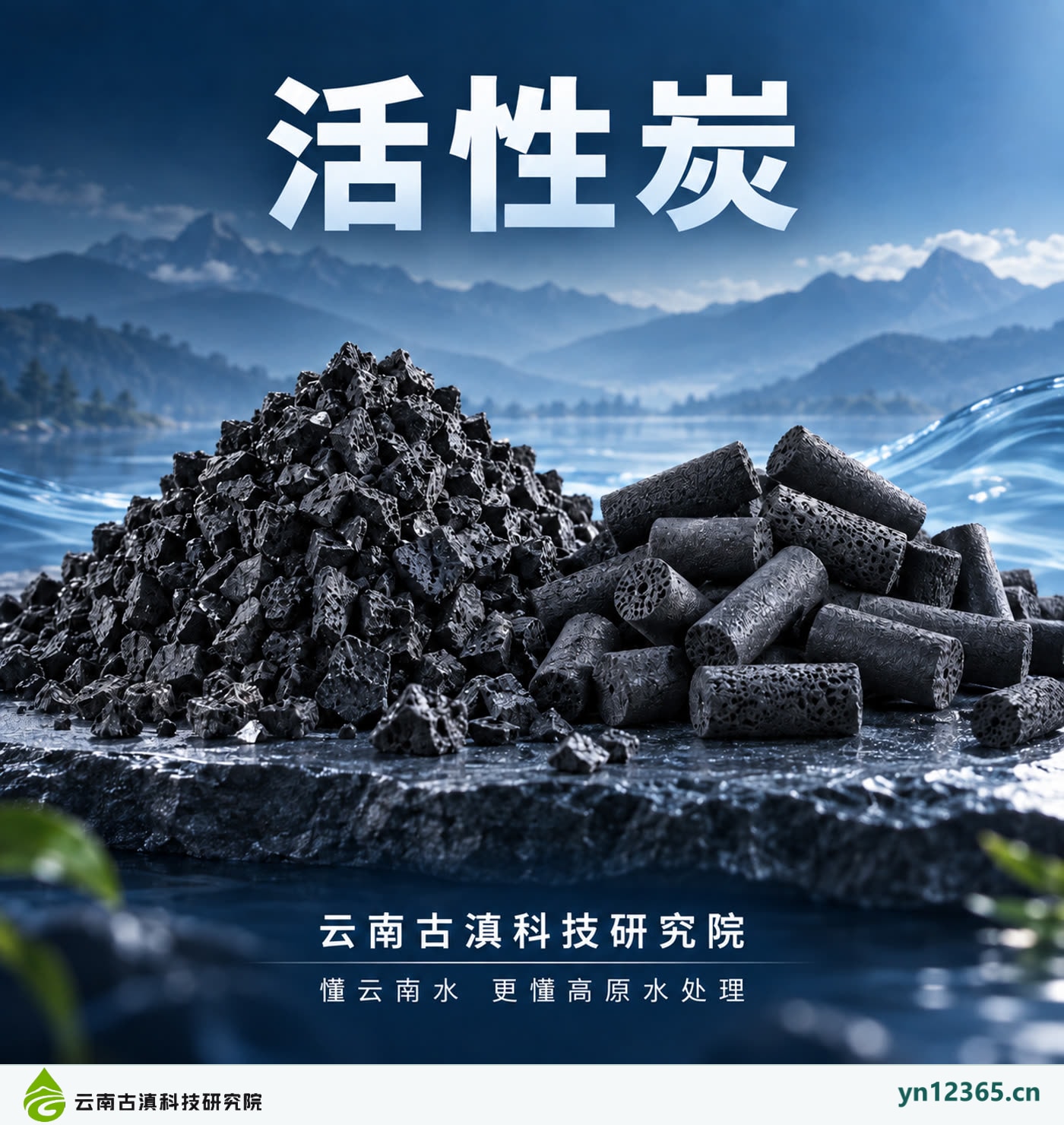
Selecting activated carbon: matching adsorption requirements, batches, and maintenance
Comparisons of activated carbon filter media should start with the target substances and associated treatment process. A single material parameter, black appearance, or package price cannot directly establish the performance of a complete water purification system or provide a basis for a fixed replacement interval.
View details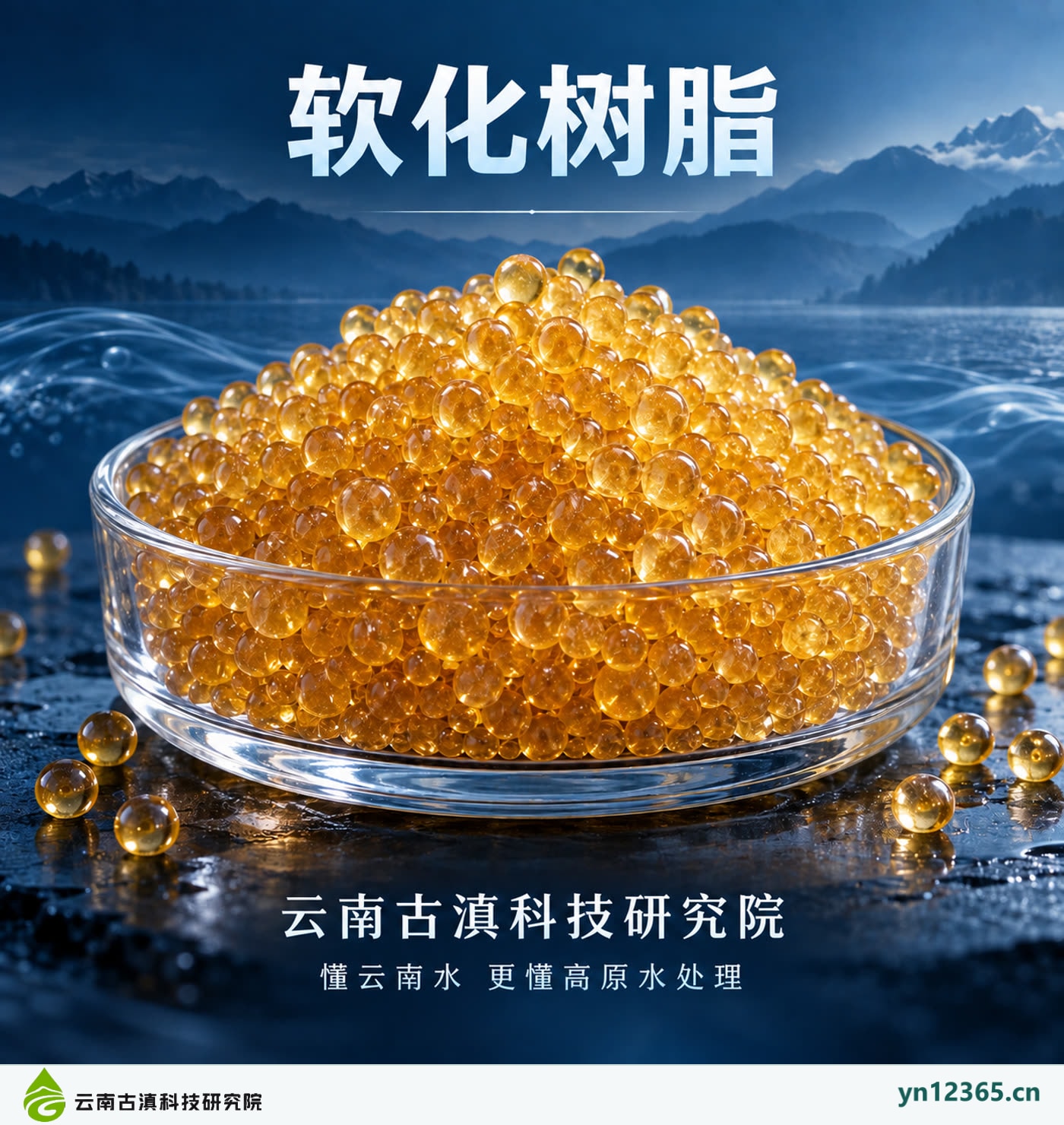
Buying or replacing softening resin: hardness requirements and regeneration records
Softening resin is used for the corresponding ion exchange treatment duties. Softening, demineralization, and disinfection address different problems. Reduced scale does not establish that the output water is suitable for every industrial use or can be drunk directly.
View details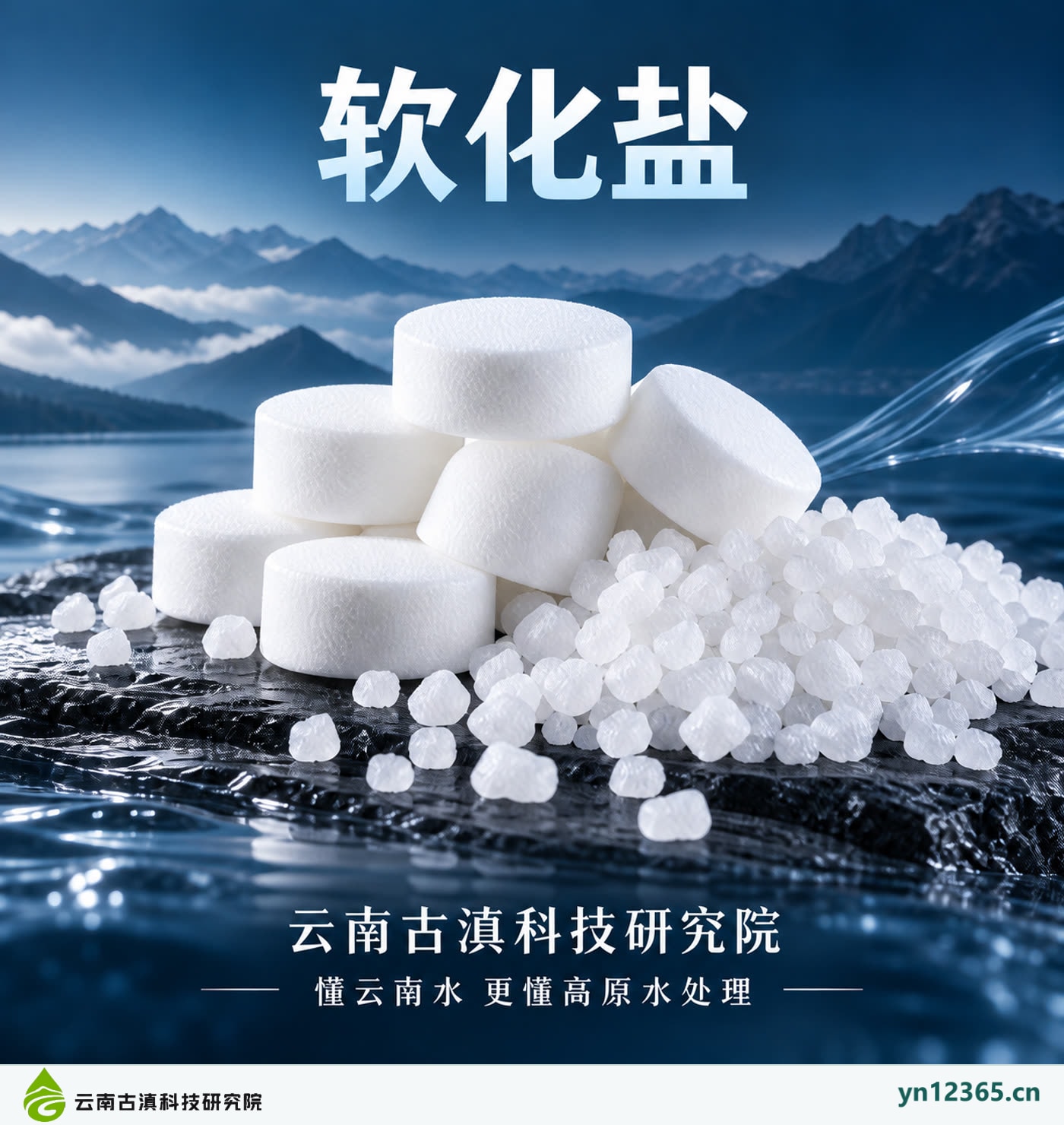
Buying and storing softener salt: more than granule size
Salt for softening system regeneration should match resin and equipment requirements. Similar appearance does not mean that salts have the same composition, impurities, packaging, or use. Purchasing and storage require clear documentation and traceable batches.
View details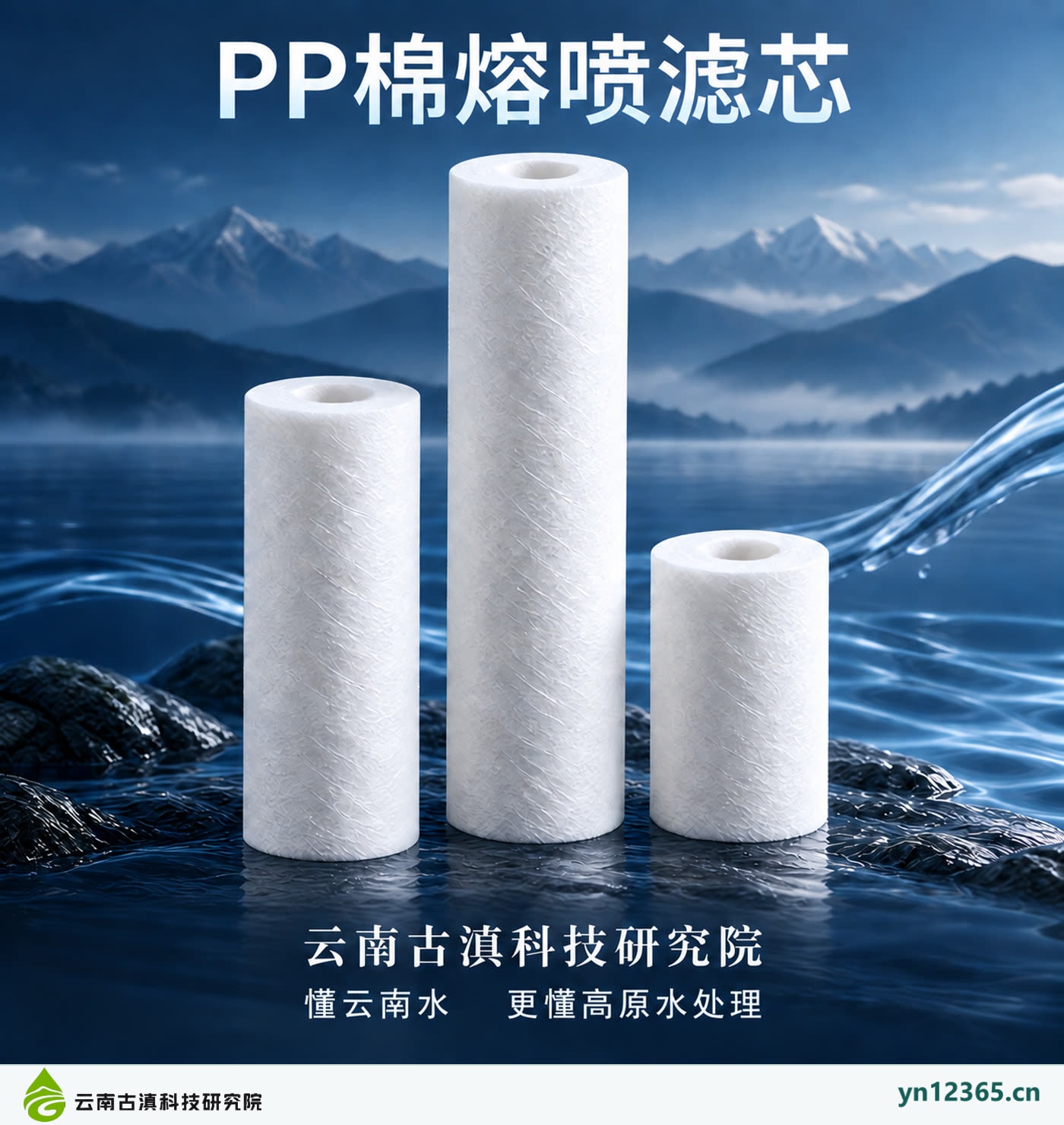
Choosing replacement PP cartridges: dimensions, connections, and filtration ratings
A PP sediment filter cartridge is a component that must match its housing and filtration duty. Equal lengths or similar nominal ratings do not establish that it can be replaced directly. Changes require supporting information on dimensions, connections, materials, and operating conditions.
View details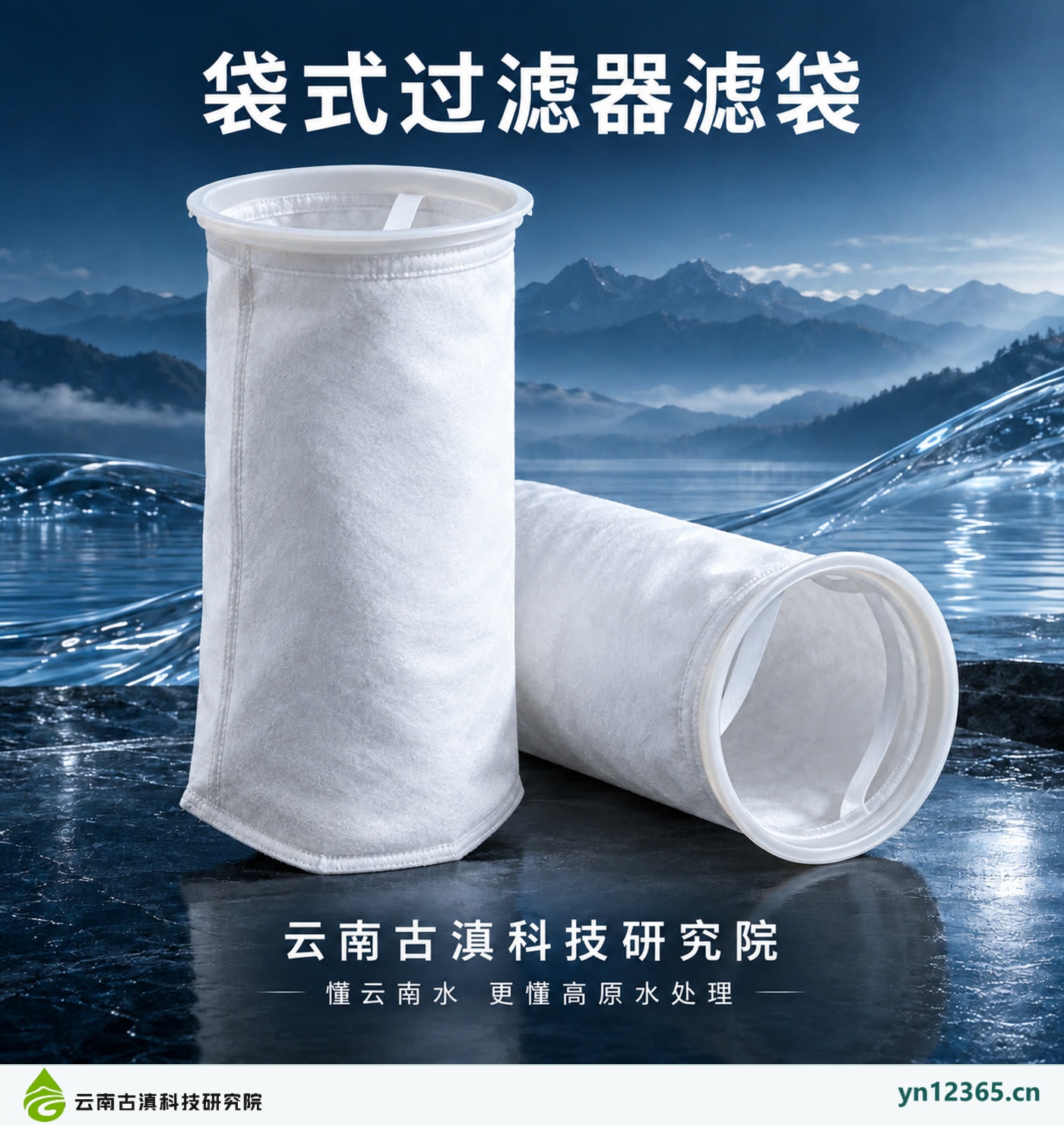
Choosing filter bags: bag type, materials, and sealing
Filter bags must suit the fluid being treated and the filtration duty, and match the housing's sealing method. Buying solely by bag length or unit price may overlook connections, materials, and operating conditions, leaving the product unsafe to use on arrival.
View details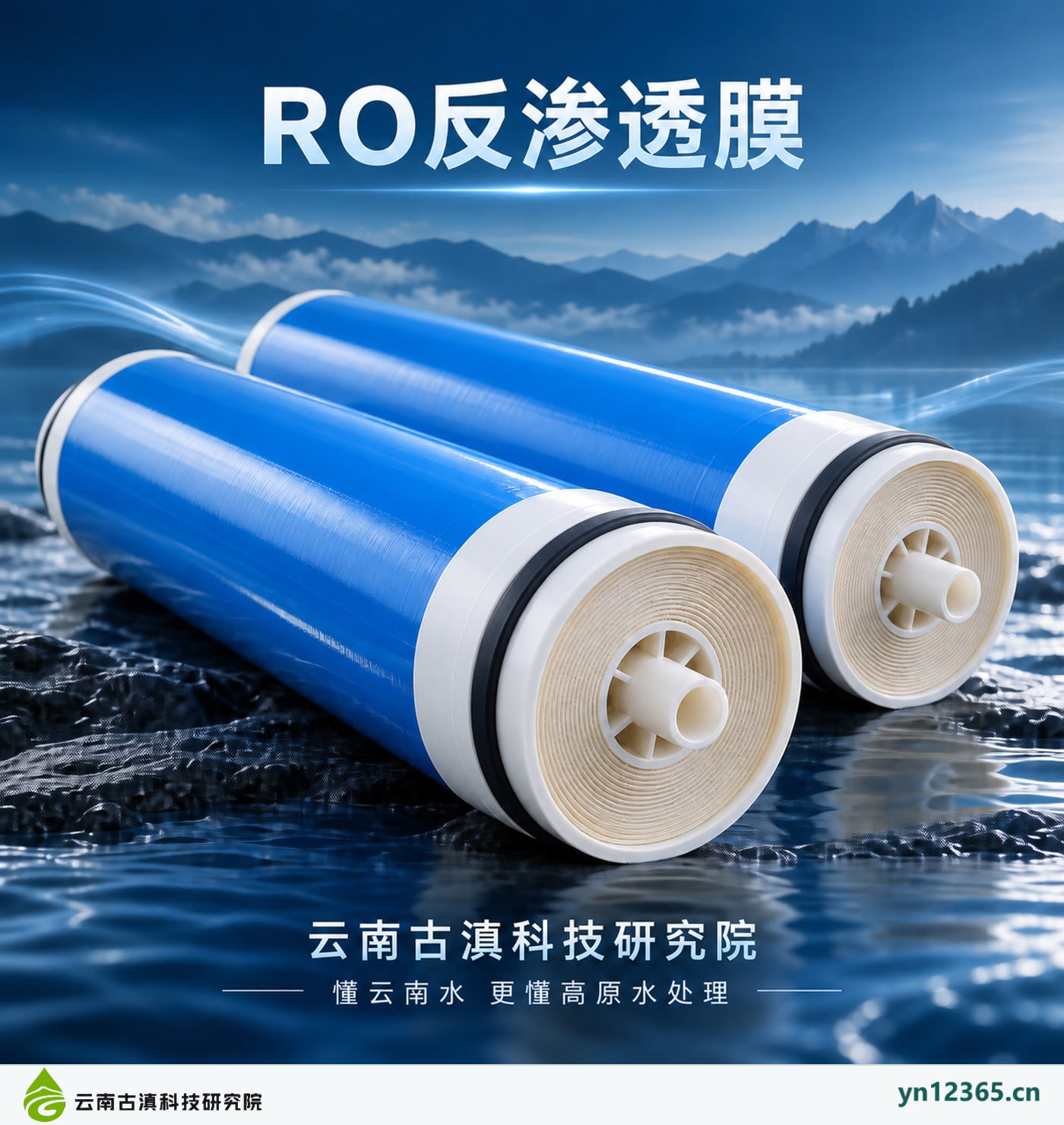
Choosing RO membranes: model, feedwater, and operating baseline
RO membranes usually perform separation to reduce dissolved salts. Component datasheets provide information obtained under specified conditions and cannot directly become promises about a complete system's on-site production capacity, salt rejection, or service life. Establish a comparable operating baseline before changing models.
View details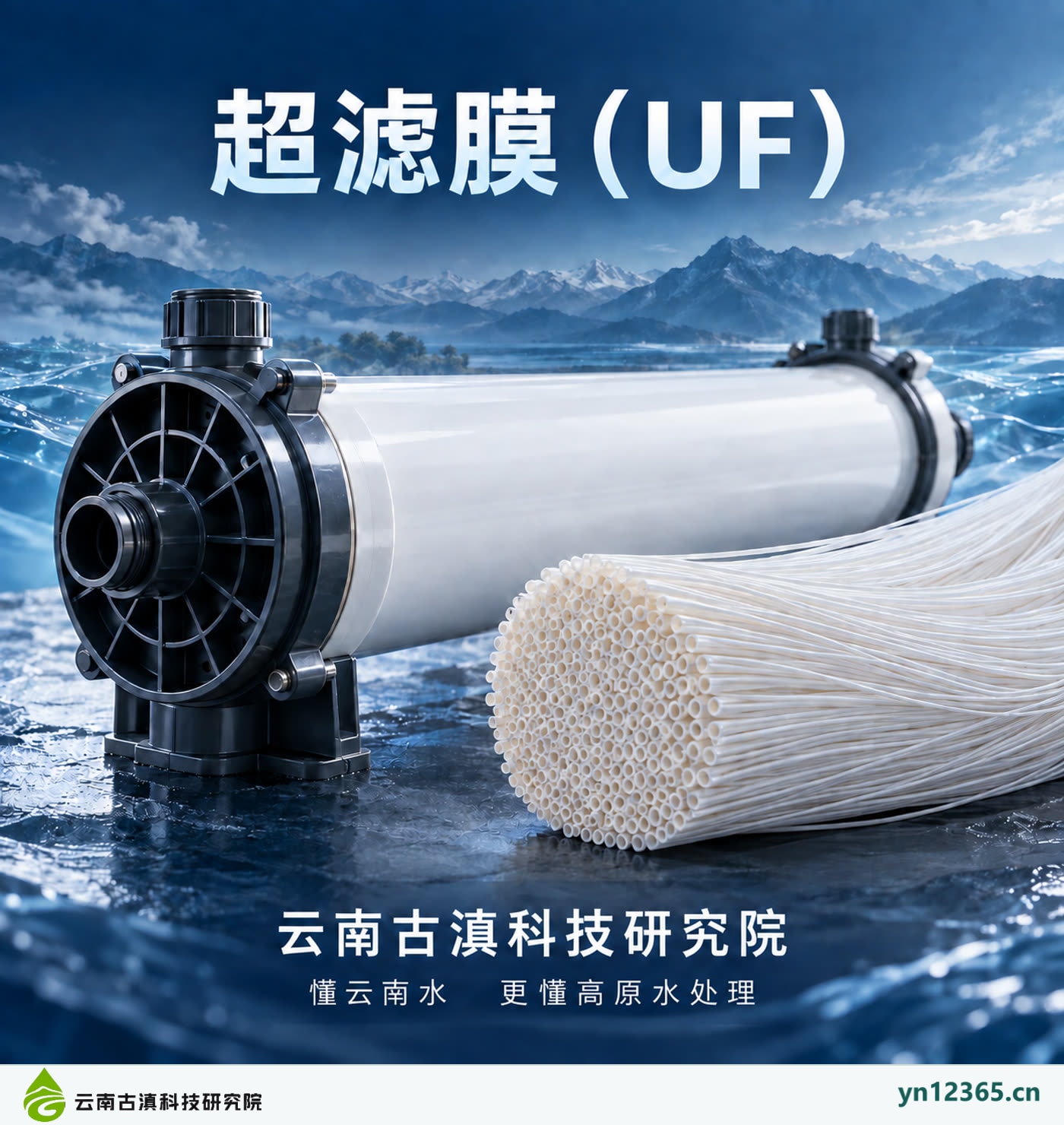
UF and RO membranes: distinguish particle removal from dissolved-salt removal
Ultrafiltration and reverse osmosis perform different separation duties. Ultrafiltration can be used for applicable particle and colloid retention stages, but is not a universal substitute for reducing dissolved salts. Selection starts with the raw water and target constituents, rather than the equipment name.
View detailsTell us about your water needs
Describe your water source, intended use, and water demand so technical staff can prepare advice.