
Technical articles and news
Understand the requirements for equipment selection and maintenance handover, and download practical checklists.
Technical articles and news 19973–80
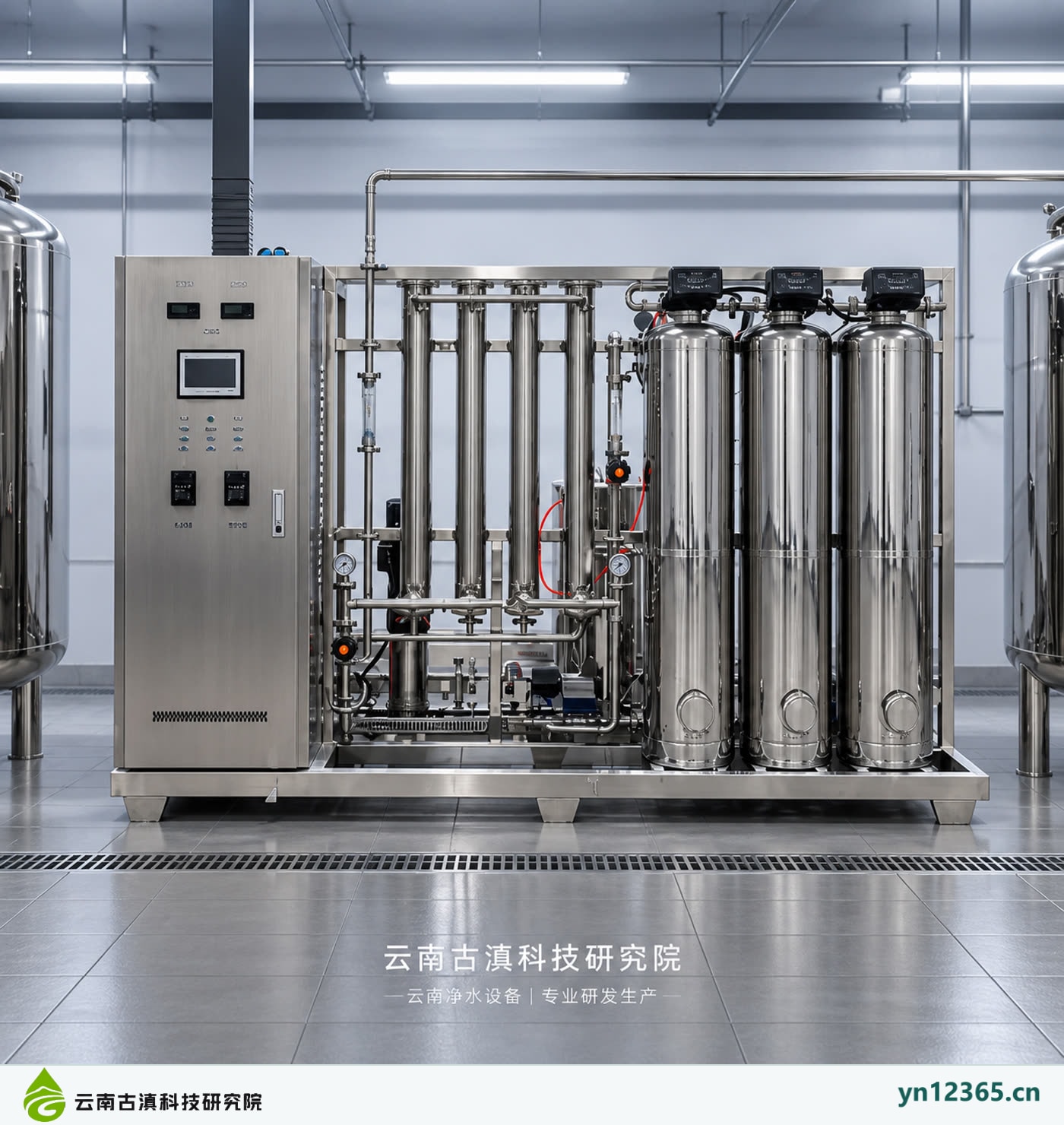
High-altitude RO purified-water equipment: assessing raw water, temperature, and downstream use together
High-altitude reverse osmosis equipment still requires assessment of the actual membrane system and site operating conditions. "Purified water" describes the equipment and treatment task. It is not direct evidence of water quality, health benefits, or production outcomes for any application.
View details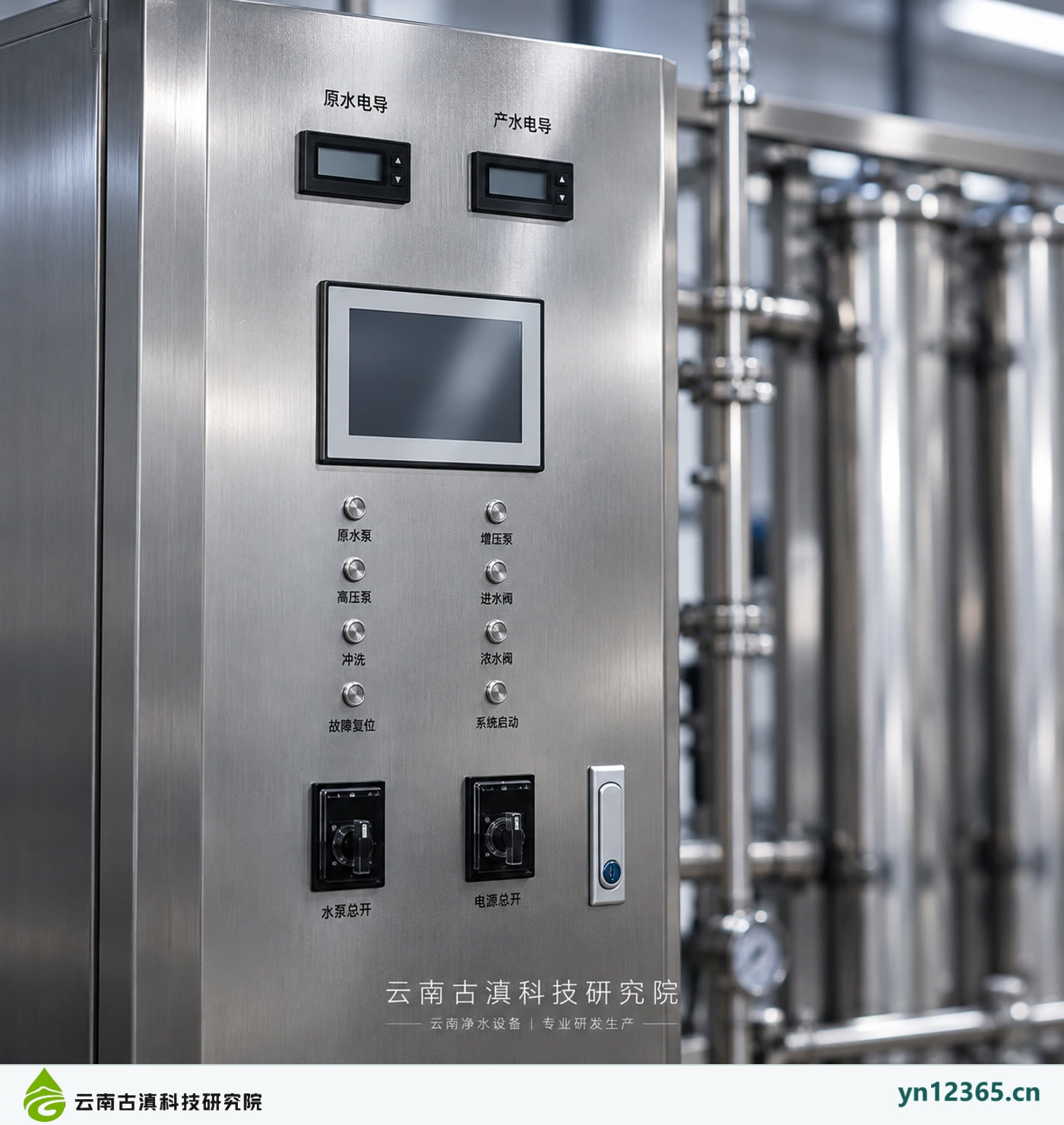
Choosing boiler water softening equipment: distinguish softening from overall make-up water requirements
Boiler water softener selection should start with the boiler and downstream system requirements. Reduced hardness does not mean every makeup water parameter complies. The absence of scale alone does not establish system safety or completed acceptance.
View details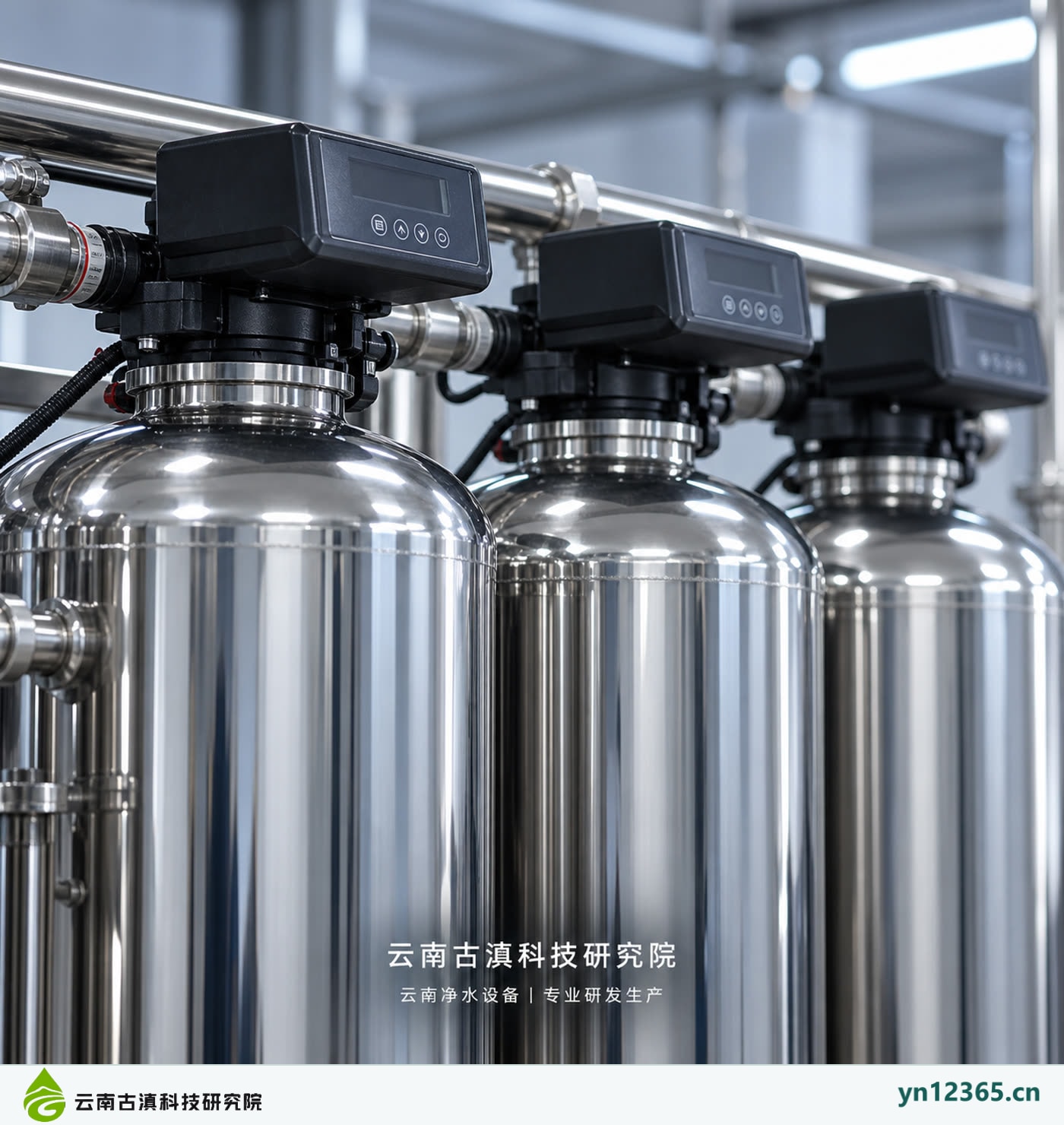
Planning rural centralized water treatment: acceptance from source to point of use
Rural centralized water supply equipment configuration should consider the water source, treatment, storage, distribution, and daily management together. Installing one purifier does not mean the complete water supply process meets drinking water requirements.
View details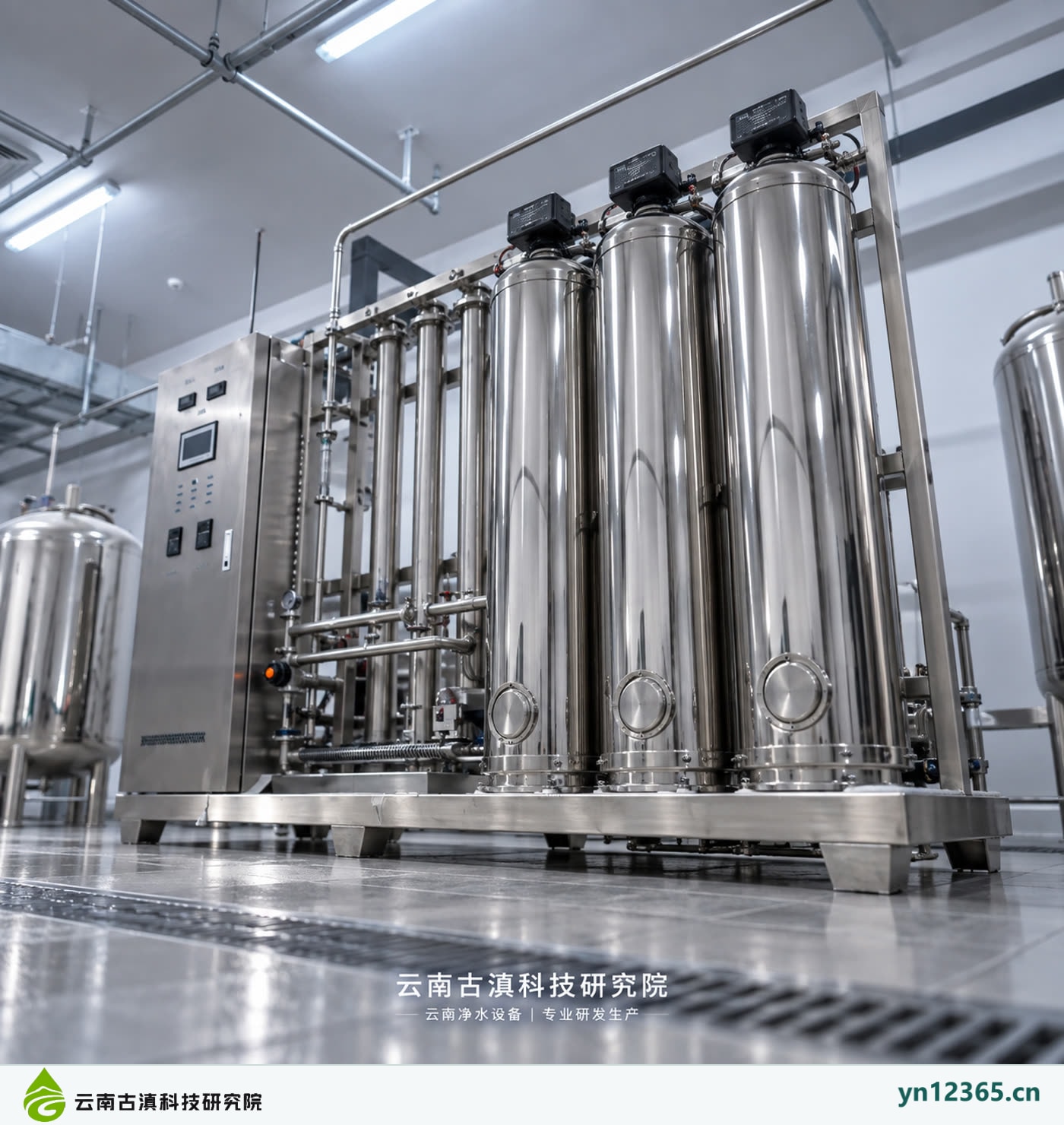
Configuring commercial drinking-water purifiers: supply points, peaks, and maintenance
Plan commercial water purification equipment around actual points of use and downstream applications. Headcount can help estimate demand, but it does not directly replace peak flow, storage, piping, and maintenance conditions. Equipment names do not establish water quality results.
View details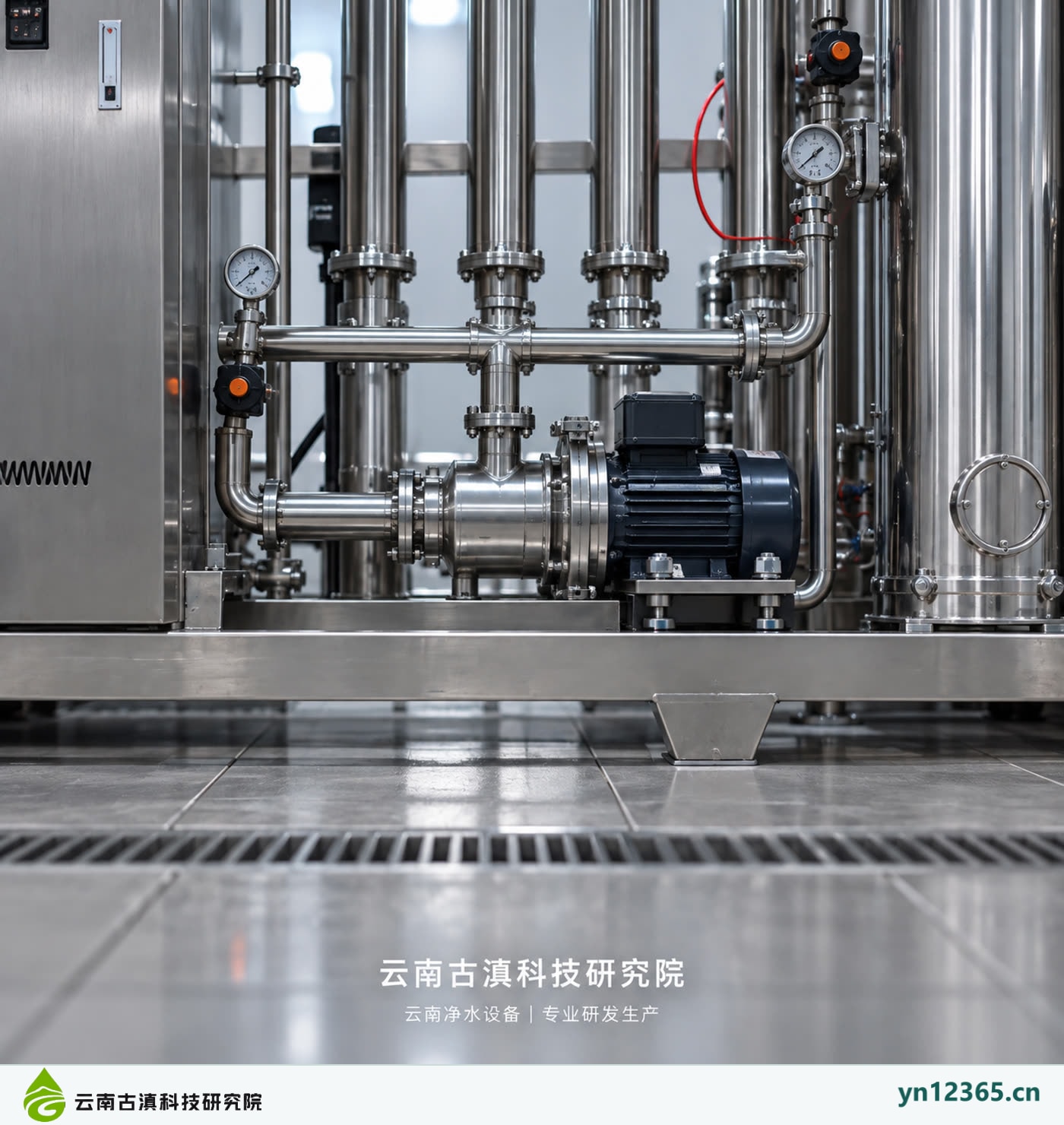
Integrating fertigation equipment: water sources, irrigation zones, and control handover
Discuss fertigation equipment based on the water source, zones, and fertilizer application task. Separately list filtration and backwash flow and pressure, valve sequences, drainage, and a control confirmation schedule. Do not infer automatic functions from images.
View details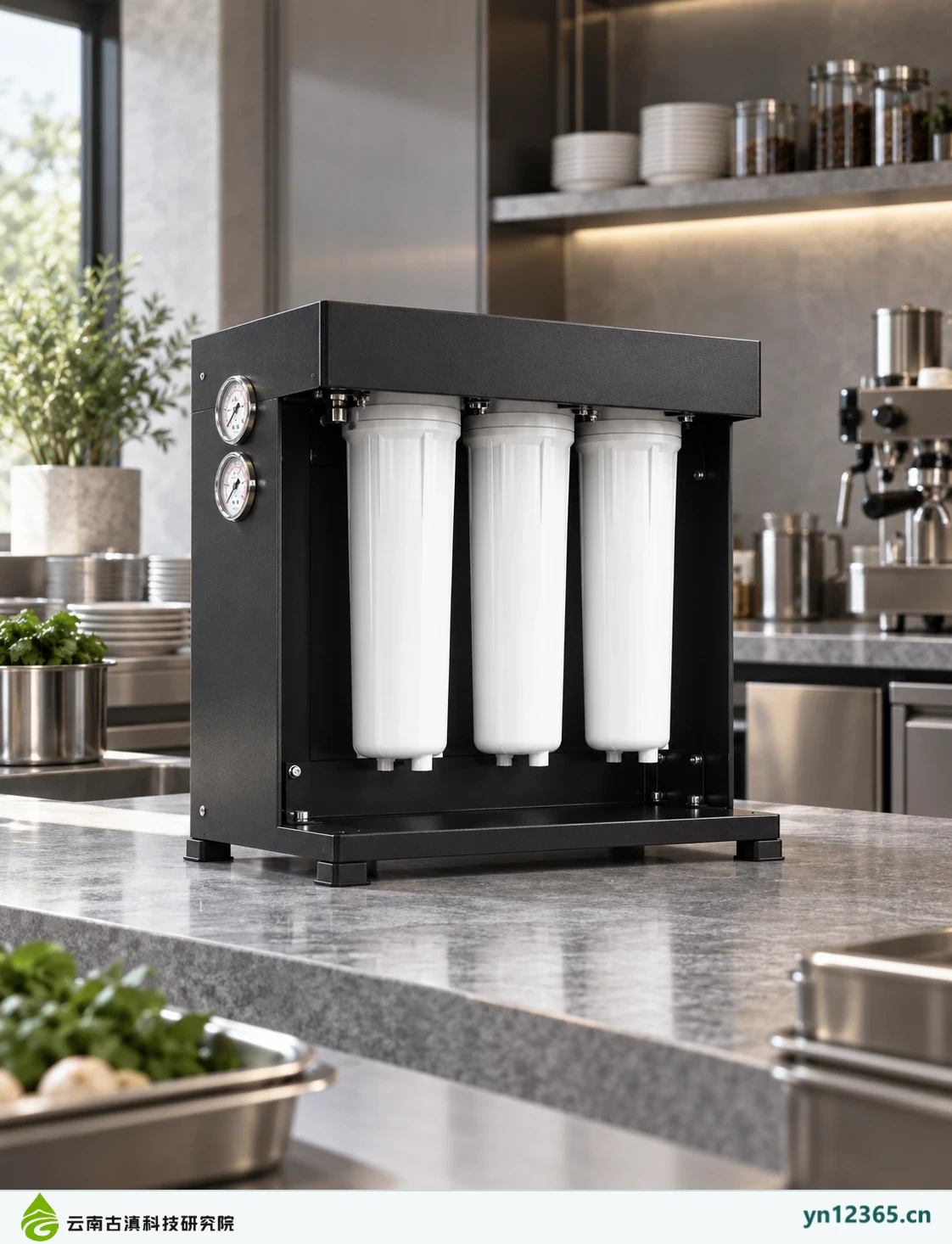
School centralized water supply proposal explained: drinking water points, peak demand, and management responsibilities
School projects should record drinking, kitchen, and other points of use separately, then discuss concentrated use periods, piping, and maintenance management. Headcount is part of demand information but cannot determine the equipment configuration alone. The following is a plan analysis, not a completed school project.
View details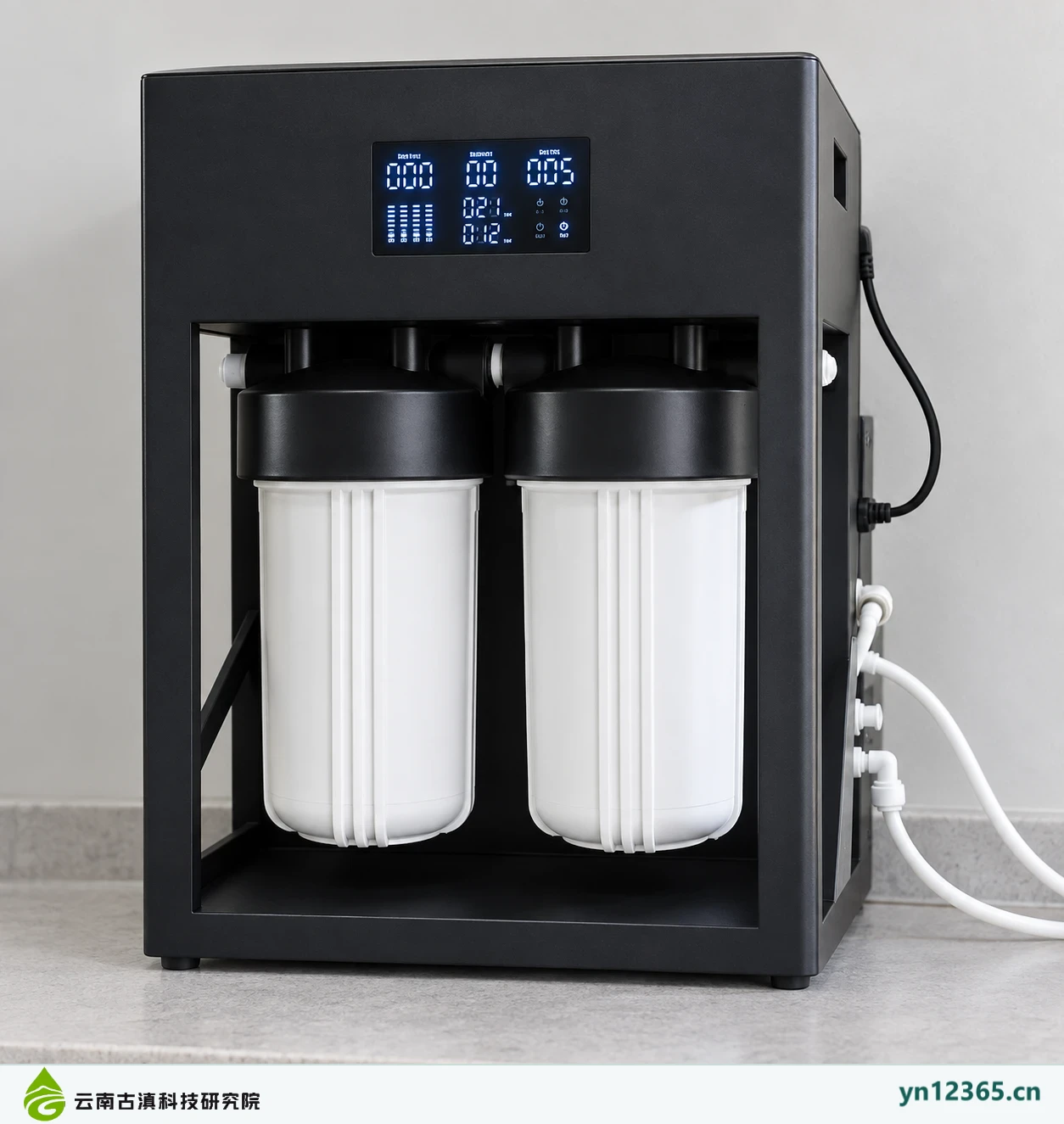
Hotel and guesthouse water supply proposals explained: planning guest rooms, kitchens, and ice making separately
Requirements may differ across a hotel's points of use. Guest rooms, kitchens, ice-making, and laundry should each be checked for application, downstream documentation, and peak conditions. One equipment name cannot describe every use. This article explains a plan; it is not a record of hotel project performance.
View details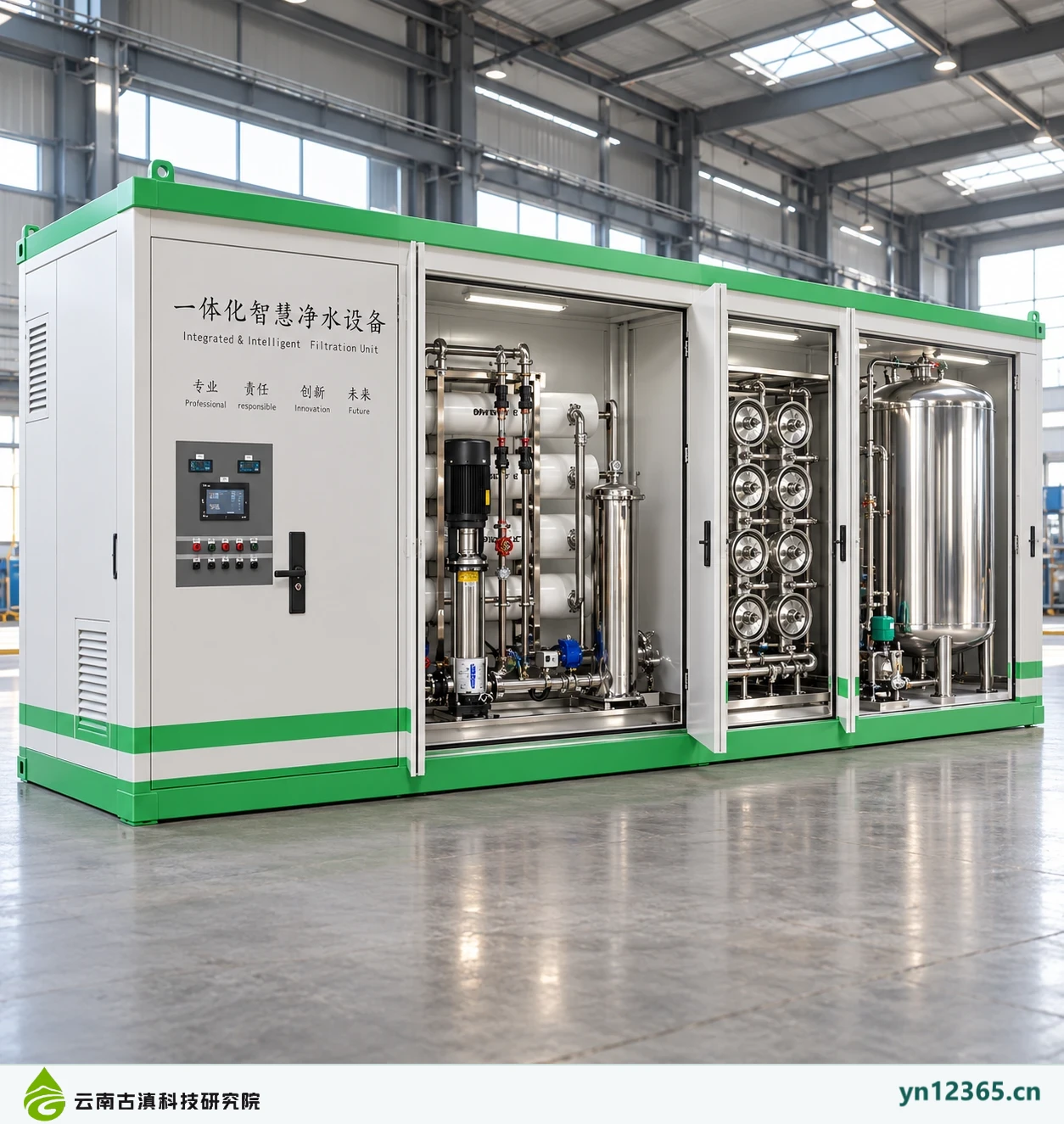
Healthcare facility water requirements explained: checking domestic water use and dedicated equipment requirements separately
Within medical institutions, medical, laboratory, domestic, and downstream equipment uses each require their own documentation and management requirements. General purification configurations cannot be assumed suitable for specialized medical uses. This article explains how to organize requirements only. It provides neither a medical process plan nor conclusions about an actual project.
View detailsTell us about your water needs
Describe your water source, intended use, and water demand so technical staff can prepare advice.