Water quality
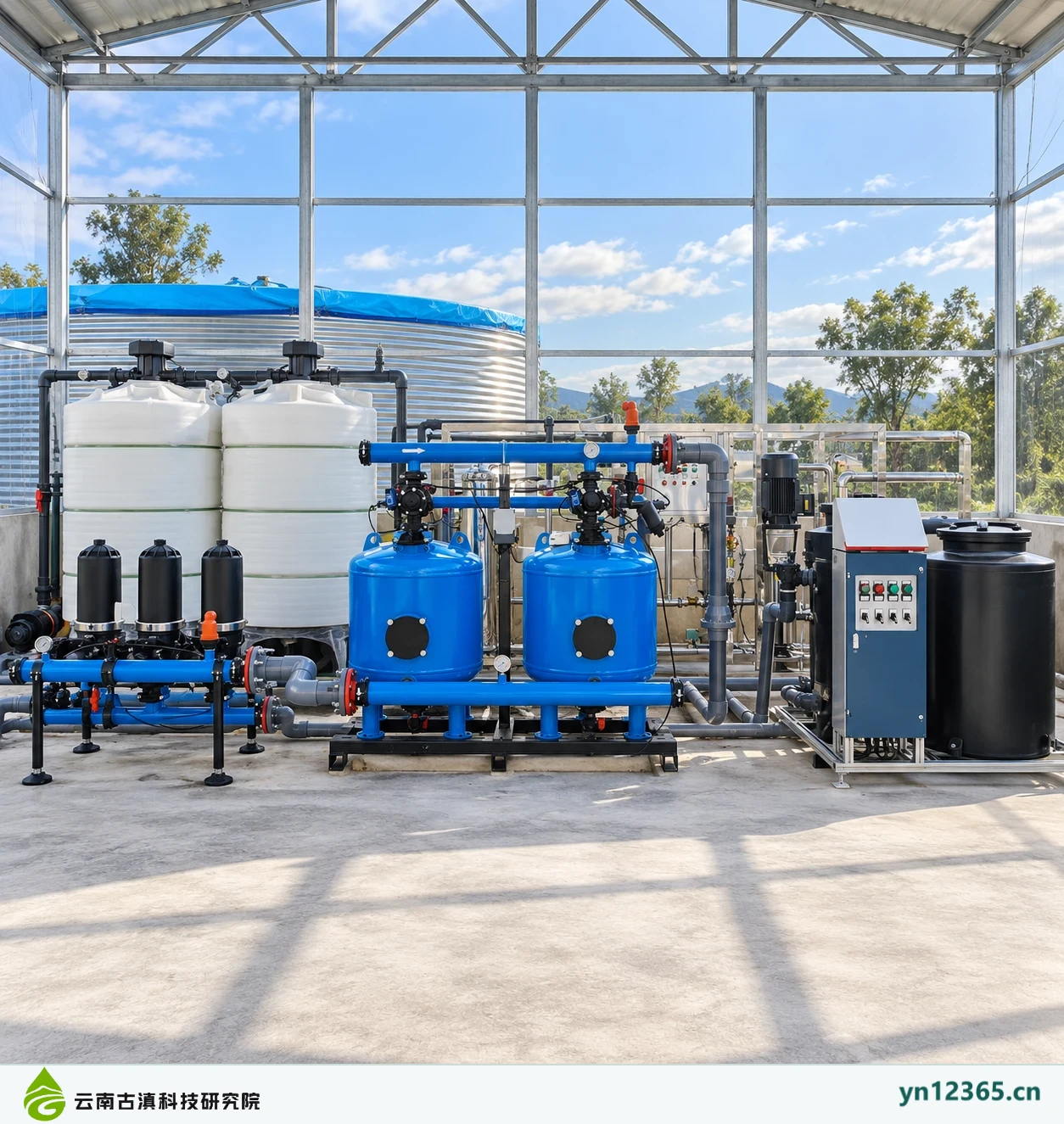
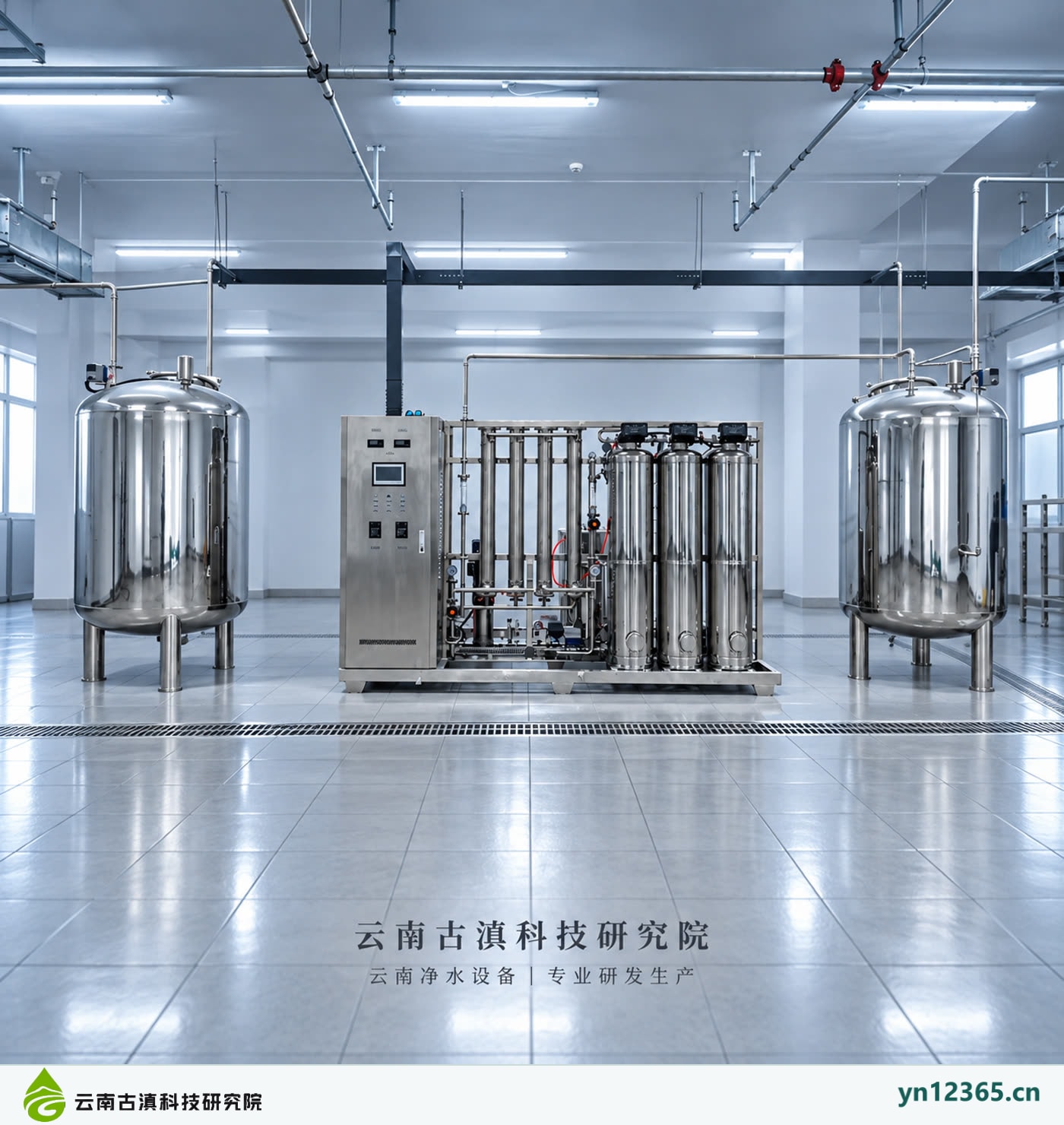
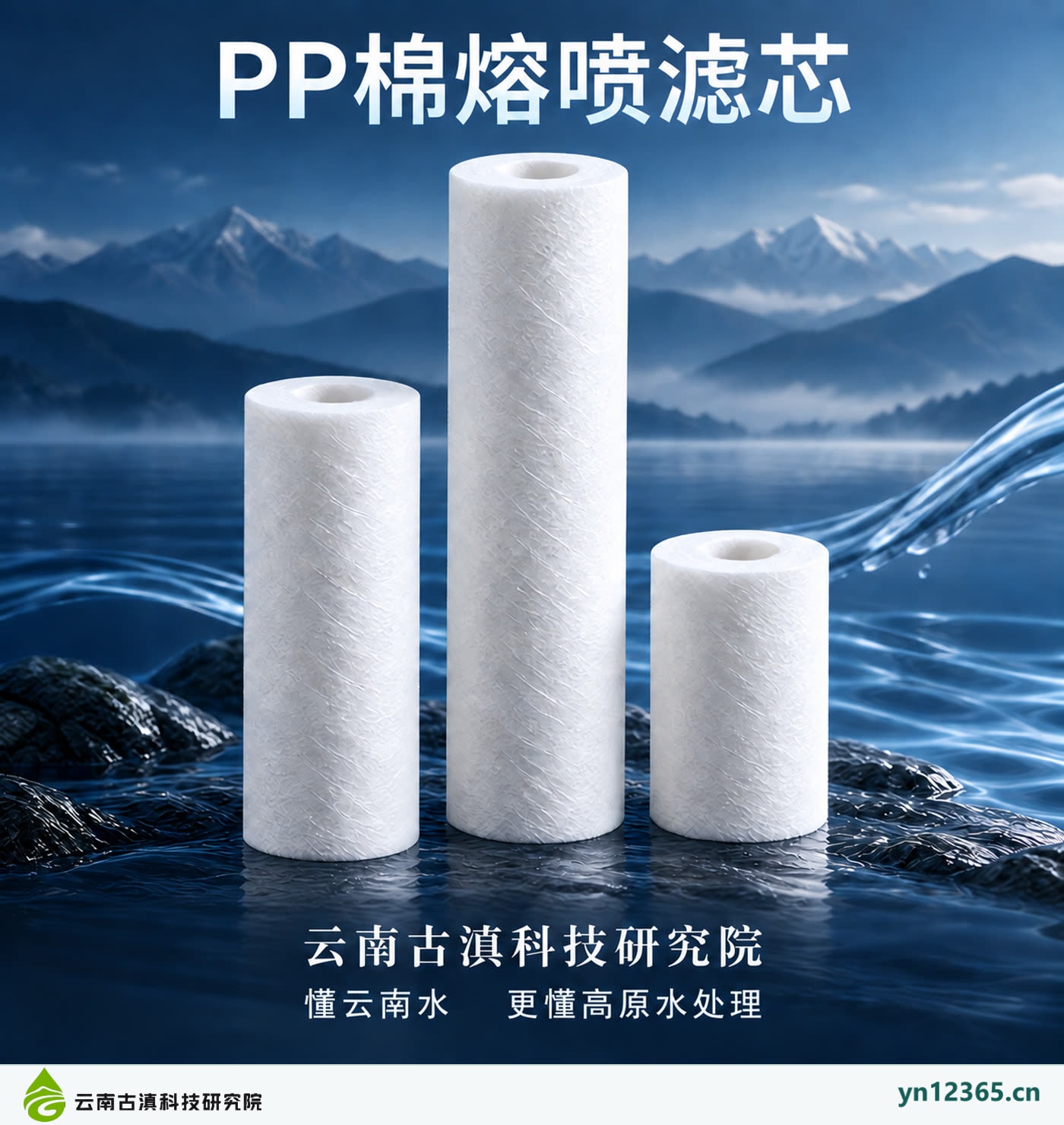
Gudian Technology begins discussions of water-treatment solutions and equipment provisions with the customer's raw water and actual intended use. The growing-management team should first describe the crop, cultivation method, irrigation, and fertilizer requirements, then confirm the task of each treatment stage. Different sources and usage schedules may require different configurations. A regional name, one EC reading, or an illustrative photo cannot directly determine a proposal.
Record raw water and nutrient solution separately
Match EC, pH, alkalinity, and relevant ions with actual sampling locations and units. Relevant personnel must confirm growing-management targets.
Separate filtration and dissolved-salt tasks
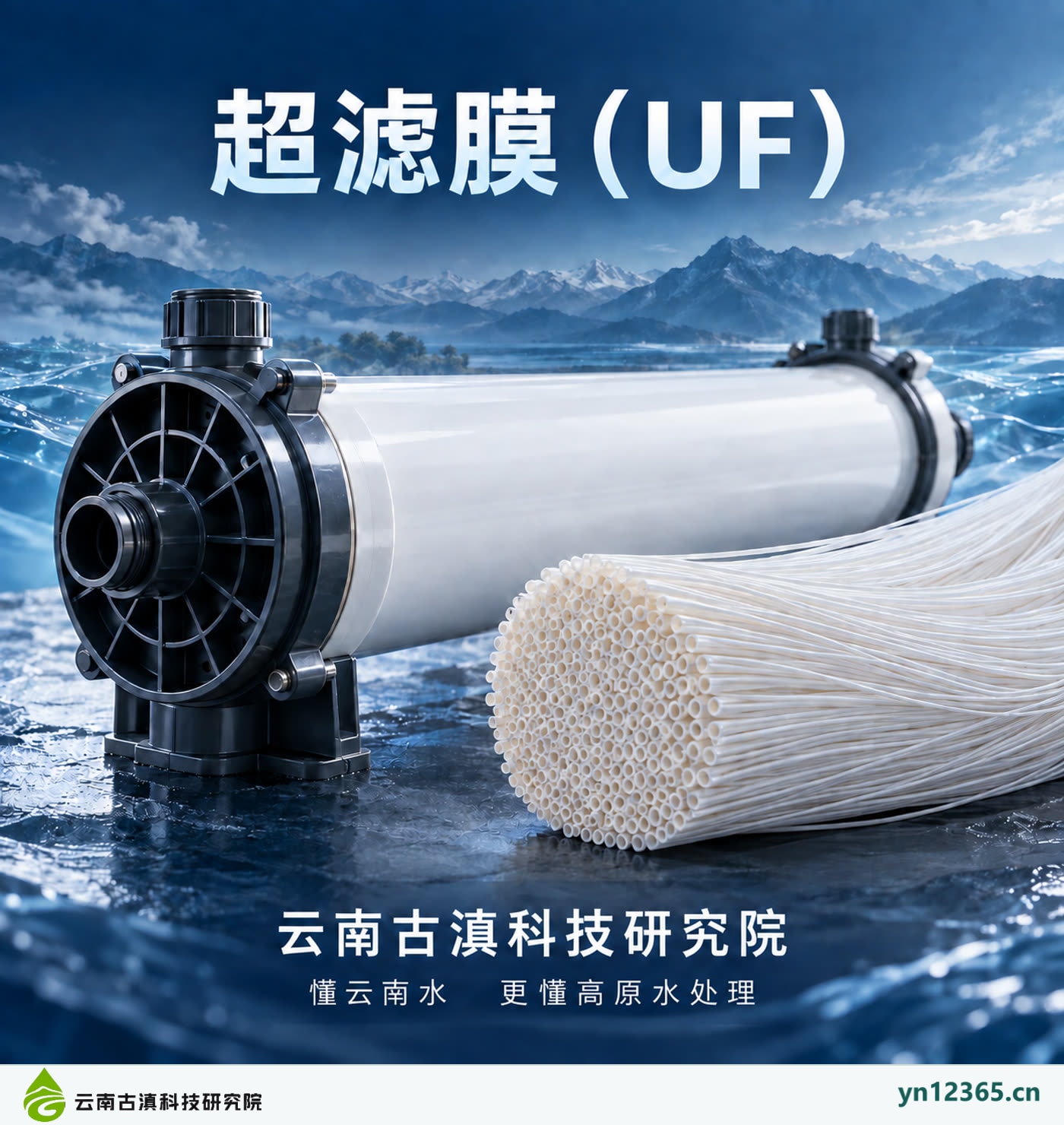
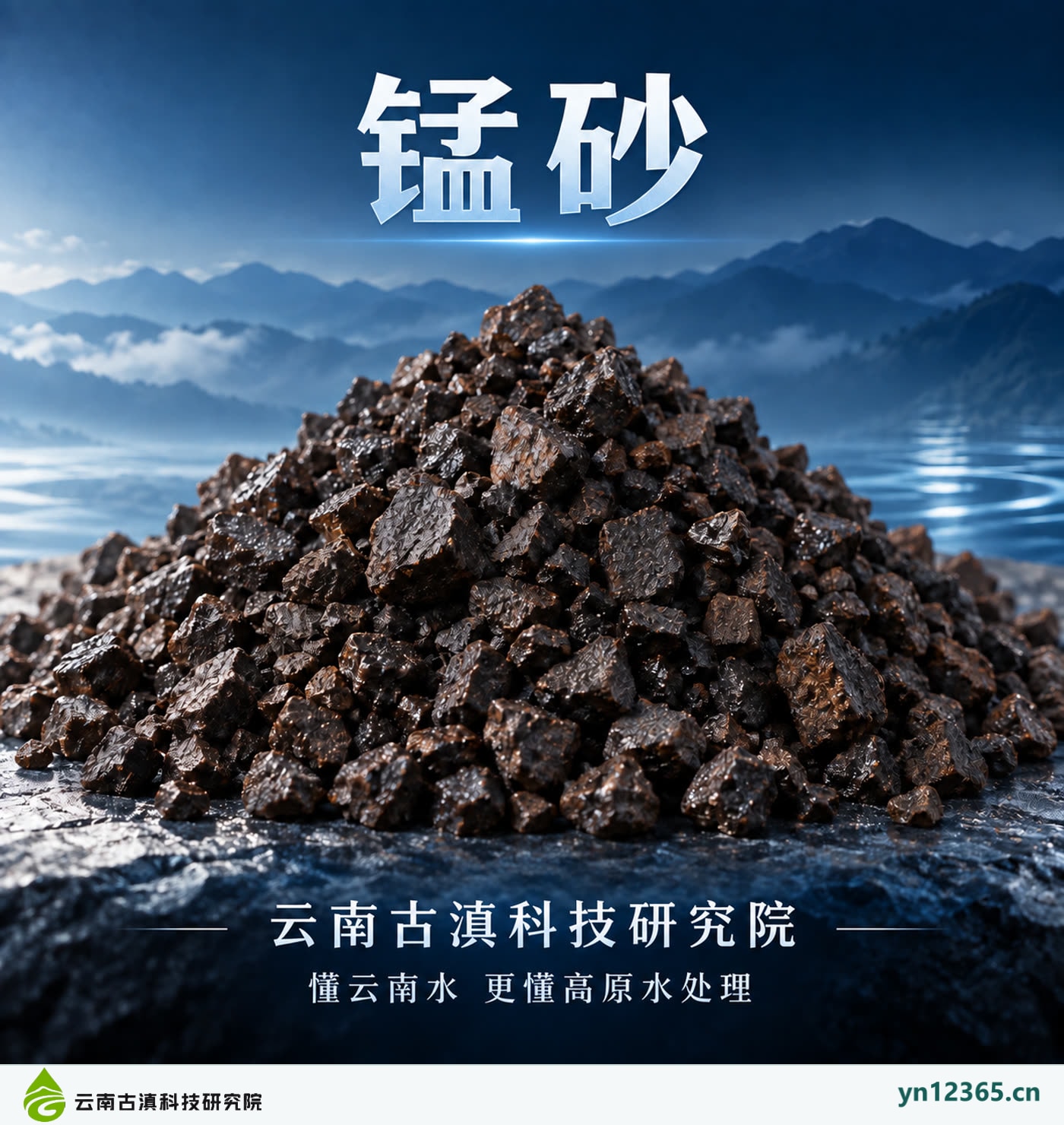
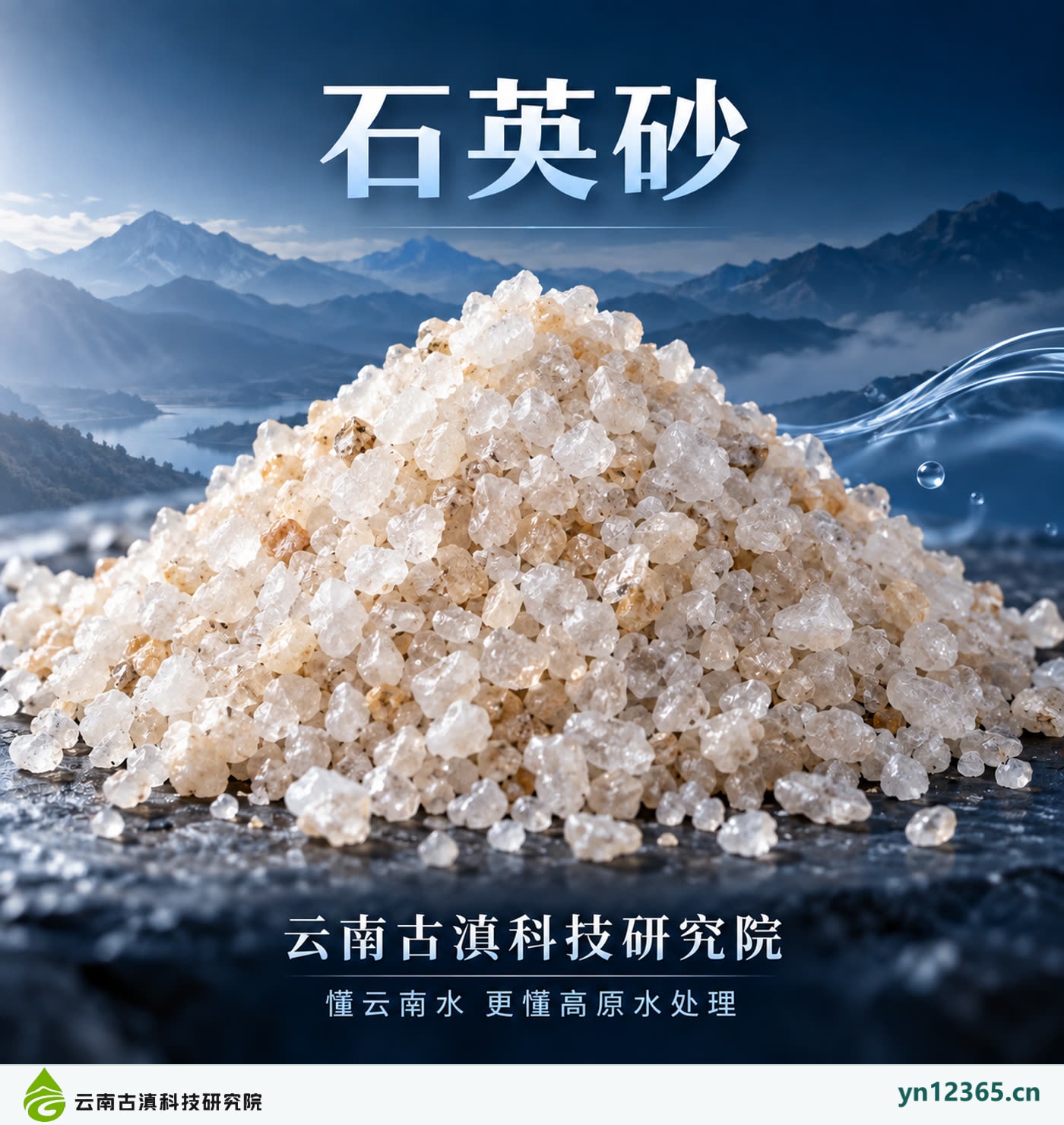
Sediment, suspended solids, and dissolved salts need different treatment methods. Check tests and downstream requirements first, then compare filtration, ultrafiltration, softening, or RO.
Connect demand, storage, and site conditions
Record daily demand, hourly peaks, and rotational irrigation. Include power supply, drainage, maintenance, and downstream connections separately in the delivery list.
Treatment process
The following is a sequence for checking information. Actual processes and equipment configurations depend on product documents, tests, intended use, and site confirmation. It is not a universal treatment process.
Specifications
| Raw-water information | Water source, sampling point, date, and report version; EC, pH, alkalinity, and tests relevant to the intended use |
|---|---|
| Growing conditions | Actual crop, cultivation method, and fertilizer or downstream equipment requirements; do not apply universal crop thresholds |
| Water supply scheduling | Daily demand, peak demand at each stage, irrigation rotation, available production hours, and storage range |
| Implementation and acceptance | Confirm equipment, storage, fertilizer application, and irrigation scope separately; record methods, measurement points, and responsibilities |