Specifications
| Product name | Stainless-steel siliphos vessel |
|---|---|
| Product category | Auxiliary water-treatment vessel |
| Vessel material | Stainless steel; the specific grade is subject to supply documents |
| Selection basis | Water quality, flow, pressure, temperature, connections and intended use |
| Filling media | Siliphos crystals; confirm in the quotation whether media is supplied with the vessel |
| Dimensions and media quantity | Check against the specific model and technical confirmation sheet |
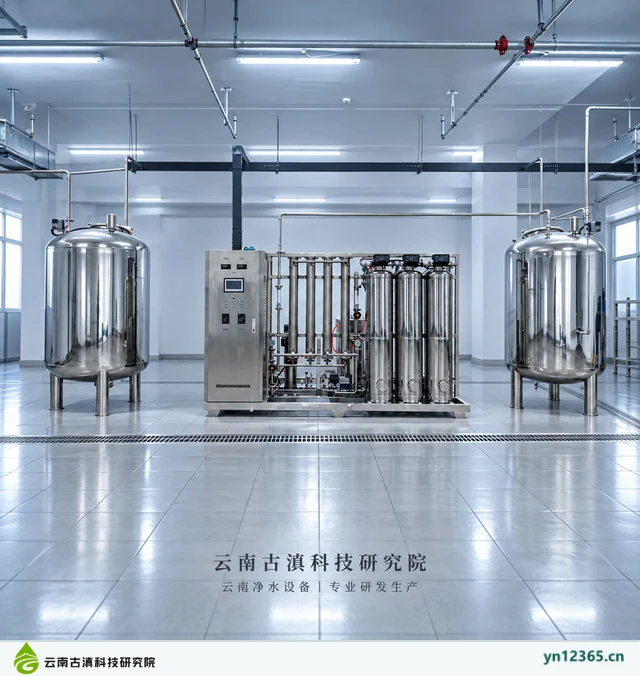
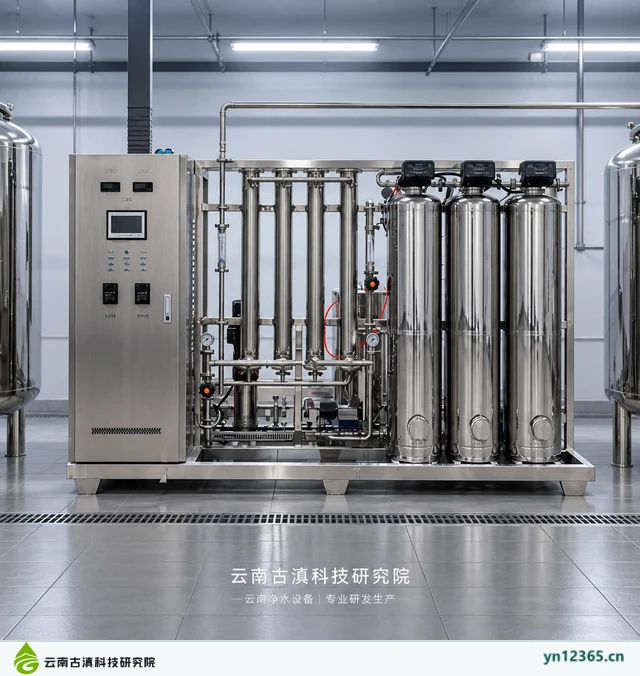
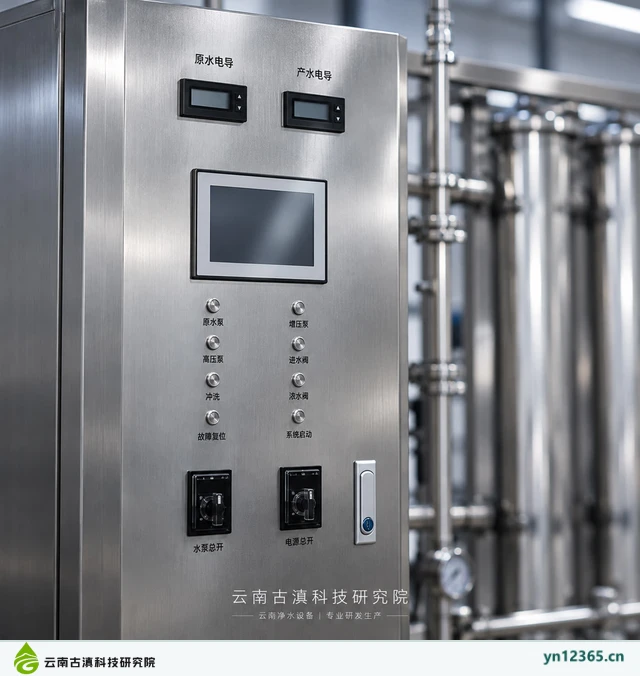
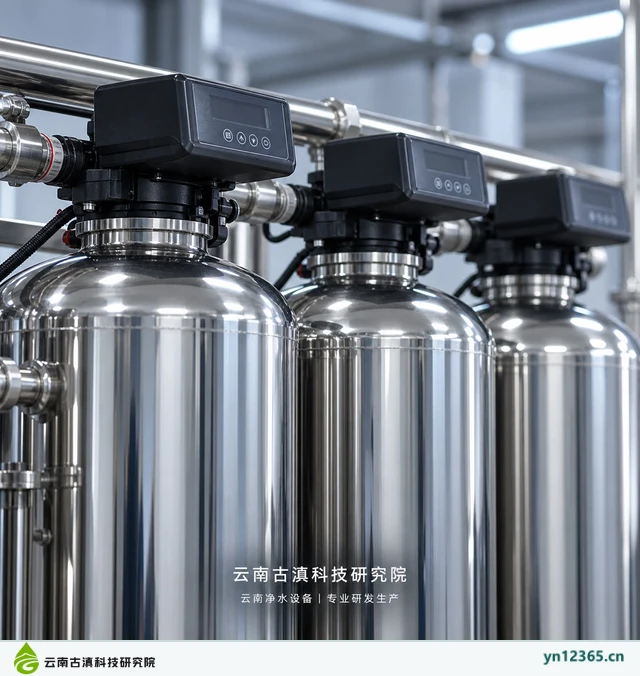
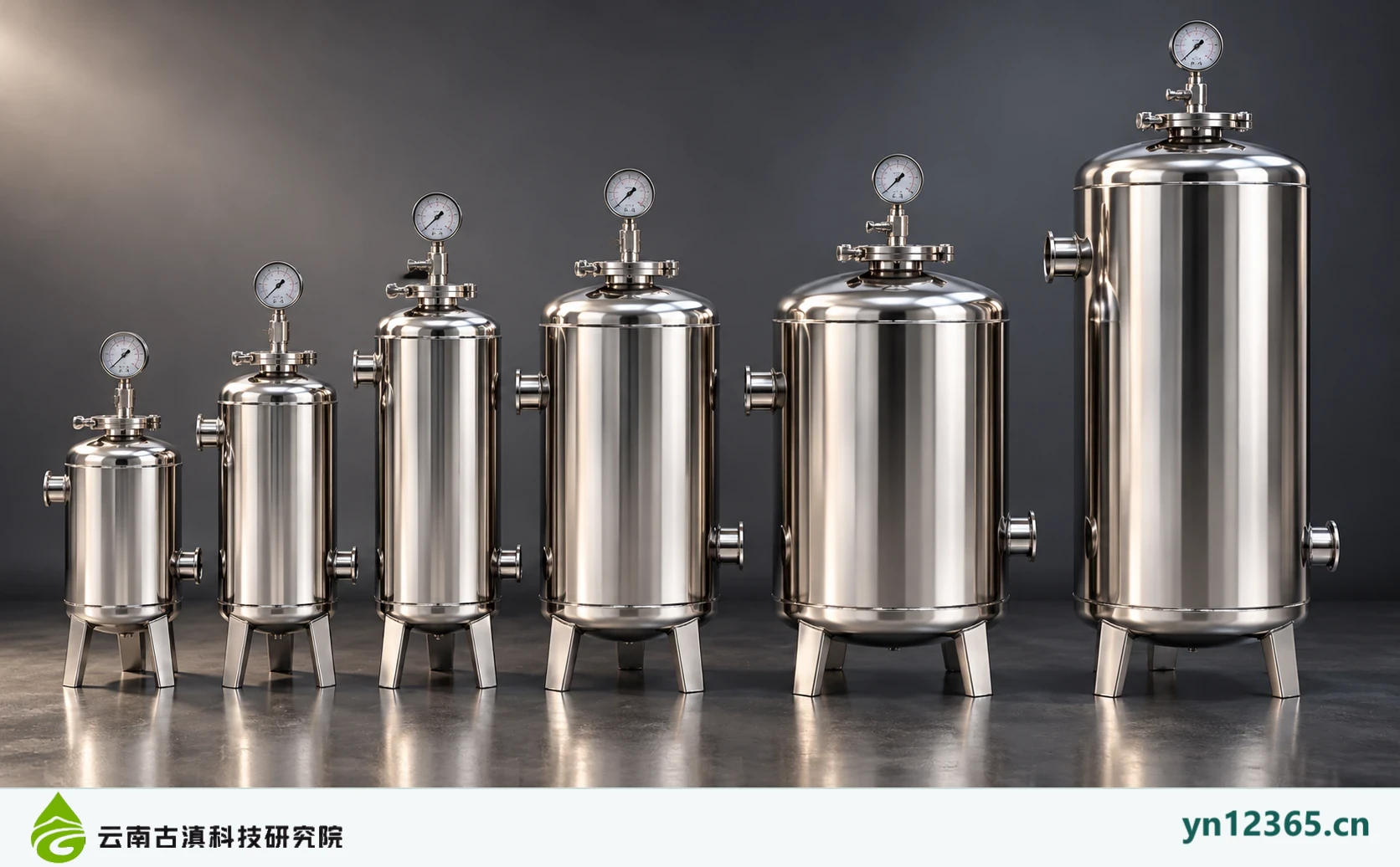
| Image note | AI-generated appearance illustration, not a model or dimensional drawing |
A stainless-steel siliphos vessel is an auxiliary water-treatment vessel that holds siliphos crystals and allows water to contact the media. Check the vessel, filling media and system operating conditions separately when purchasing; do not select it solely by its apparent size.
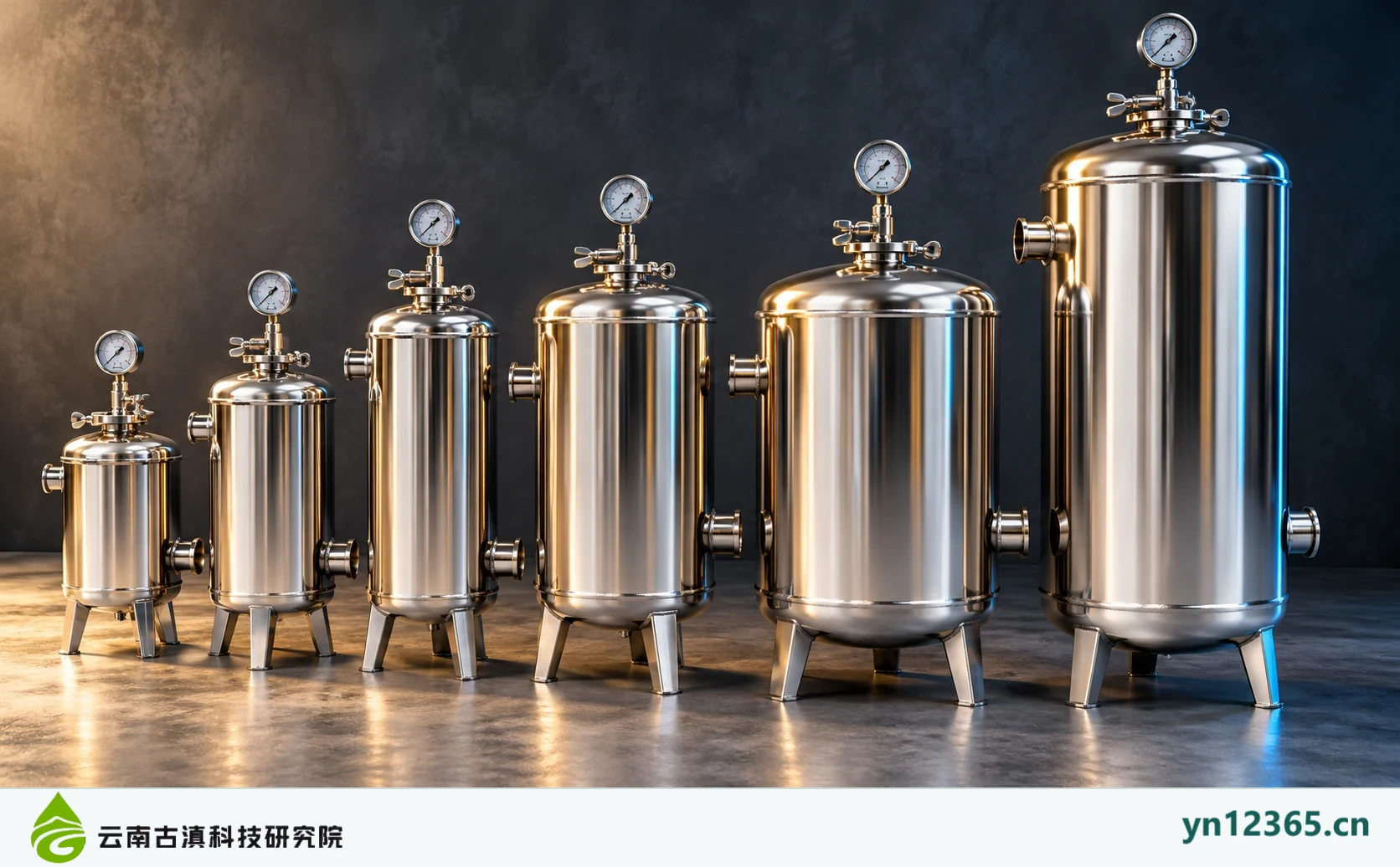
Image note: The two images on this page are AI-generated appearance illustrations based on equipment photographs supplied by the user. They show visual concepts for vessels of different sizes and do not establish an actual model, dimensions, connection positions, material grade or supply configuration.
How is a siliphos vessel used in water treatment?
Siliphos crystals are generally used in scale-control or corrosion-control arrangements by contacting flowing water and gradually dissolving to release relevant constituents. Formulations, release characteristics and suitable operating conditions vary between media. Actual performance depends on water quality, flow, temperature and operating management. The vessel itself is not a reverse-osmosis membrane, and installing it alone does not establish that the outlet water meets requirements.
Six information checks before selection and purchasing
- Intended use and water quality: Identify the water source and point of use. Provide hardness, alkalinity, pH and other test results relevant to the project.
- Hydraulic conditions: Distinguish normal and peak flow. State the operating pressure, temperature, and start/stop arrangements.
- Vessel documentation: Check the exact model, volume, material grade, seals, permissible operating conditions, and manufacturing inspection documents. A mirror-like finish does not establish that the material is 304 or 316.
- Filling media: Confirm the media source, application instructions, filling quantity, replenishment method and relevant quality documents. Clarify whether the initial media charge is included.
- Connections and layout: Check inlet and outlet connections, installation orientation, valve configuration, isolation, pressure relief and drainage arrangements.
- Maintenance access: Allow room for opening the lid, replenishment, dismantling and handling. Avoid piping or cabinets obstructing maintenance access.
How should replenishment and maintenance be arranged?
Operating records should include treated-water volume, inlet and outlet pressure, media consumption, replenishment dates and abnormalities. Before replenishment or opening the lid, shut down, isolate and confirm depressurization in accordance with the relevant equipment instructions. Follow the equipment technical documents for seal, valve and pressure-gauge checks. Media consumption depends on water use and operating conditions; there is no universal promise of “years without maintenance.”
How should a Yunnan project request a quotation?
When consulting GUDIAN Water, provide the project location, intended use, water quality, flow, pressure, connections and available space. Mains and well water, water temperature and operating methods may differ, so selection should be based on site data. Request separate quotation items for the vessel, siliphos crystals, accessories, transport, installation and commissioning. The supply scope is subject to documents confirmed by both parties.
Submit operating conditions and purchasing requirements · View equipment and consumables
Common purchasing questions
How does a siliphos vessel differ from a water softener?
Contact dosing with siliphos differs from softening by resin ion exchange. Installing a siliphos vessel does not mean that calcium and magnesium are removed, nor does it justify a promise of reduced hardness or conductivity. Suitability must be assessed against inlet-water quality and outlet-water requirements.
What flow rates correspond to the six vessels in the image?
The image presents visual concepts for differently sized vessels, without verifiable model or flow data. Consult the technical documents for each model to establish flow, pressure rating, dimensions and media quantity; do not calculate them from image proportions.
Can it be installed directly before an RO membrane to replace antiscalant?
It is not a direct substitute. Treatment upstream of an RO membrane requires checks of the membrane manufacturer’s requirements, water quality, recovery and compatibility of the media used. The specific design must confirm the installation position and operating conditions.
Can it be used directly for drinking-water or food-processing projects?
Neither a stainless-steel appearance nor the name siliphos is sufficient to determine this. Check the applicable uses and relevant hygiene and quality documents for the vessel, seals and filling media separately, and confirm the operating method and outlet-water requirements. This page is not evidence of drinking-water safety or suitability for food use.
What information is needed for replenishment intervals and a quotation?
Provide the intended water use, water-quality report, normal and peak flow, operating pressure, temperature, connection dimensions and available space. Base replenishment intervals on actual consumption and the media instructions. List the vessel, siliphos crystals, valves, accessories and installation services separately in the quotation.
References and limits of use
The product name and appearance are based on user-supplied information. The specific model, parameters and supply configuration await technical confirmation. For a general explanation of siliphos contact dissolution, see H2O / BWT Siliphos product information. This reference explains the technical background only; it does not establish that this product uses their brand or formulation, holds their certifications or achieves their performance. Editorial reference check: 2026-10-26.