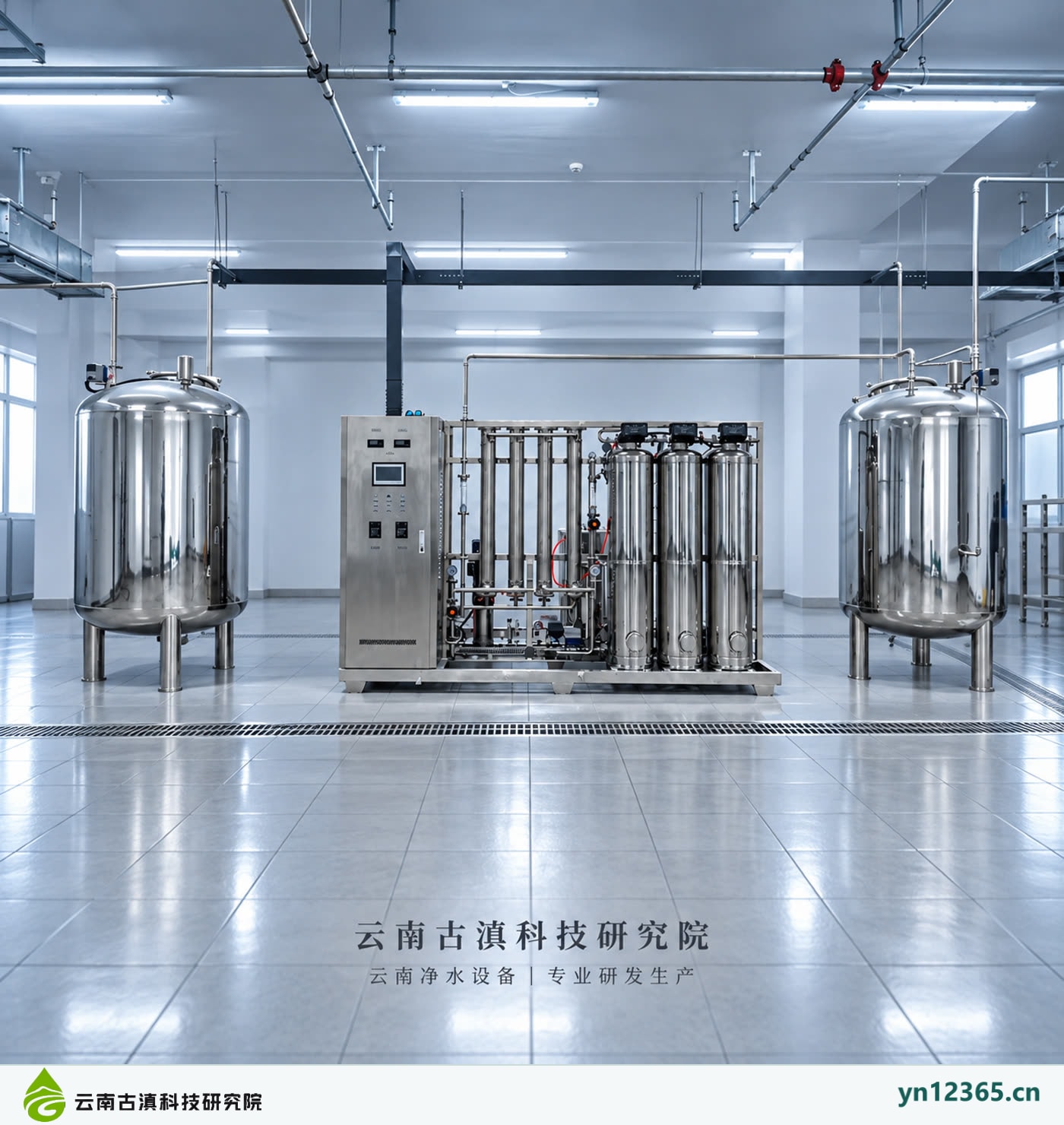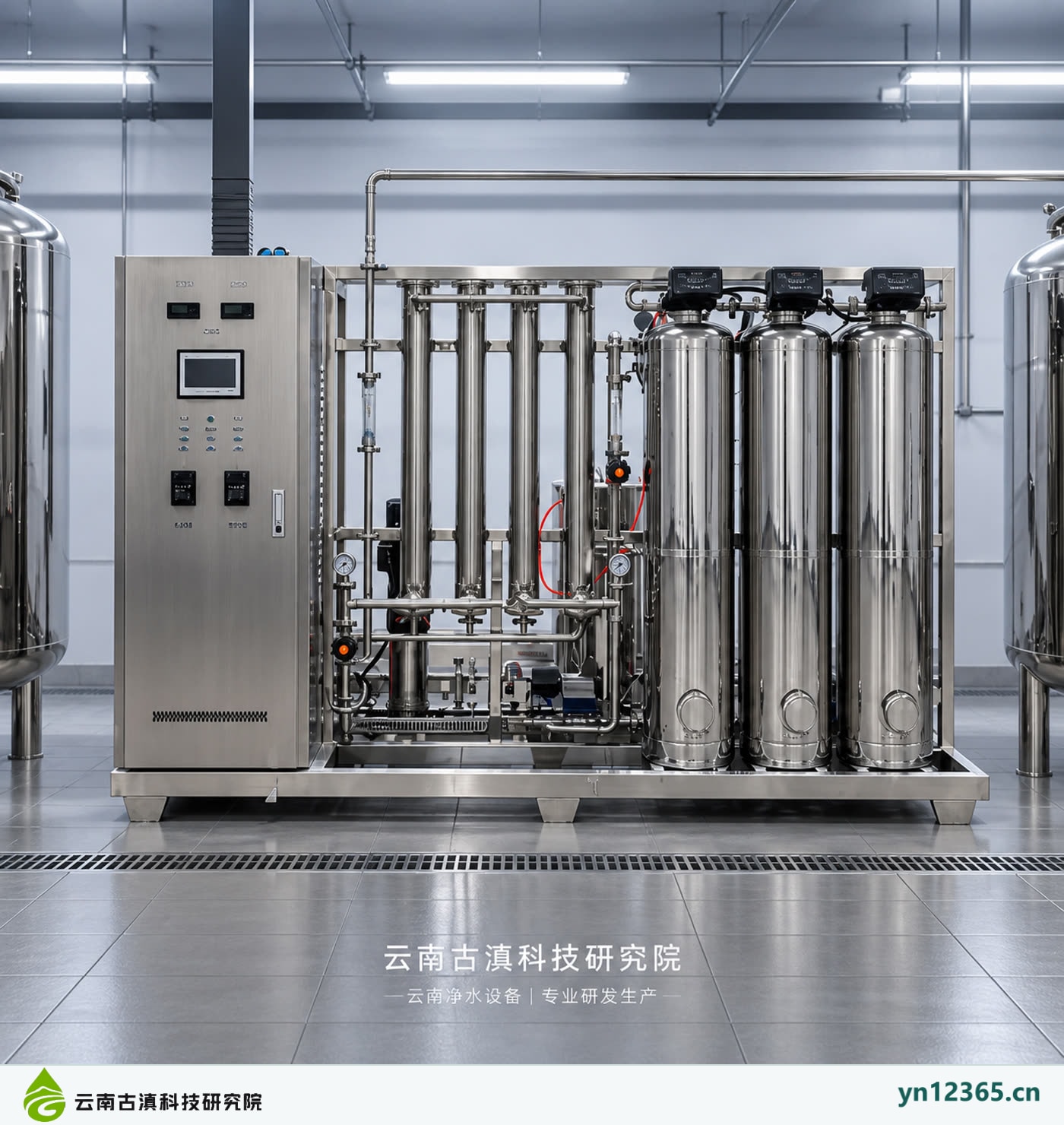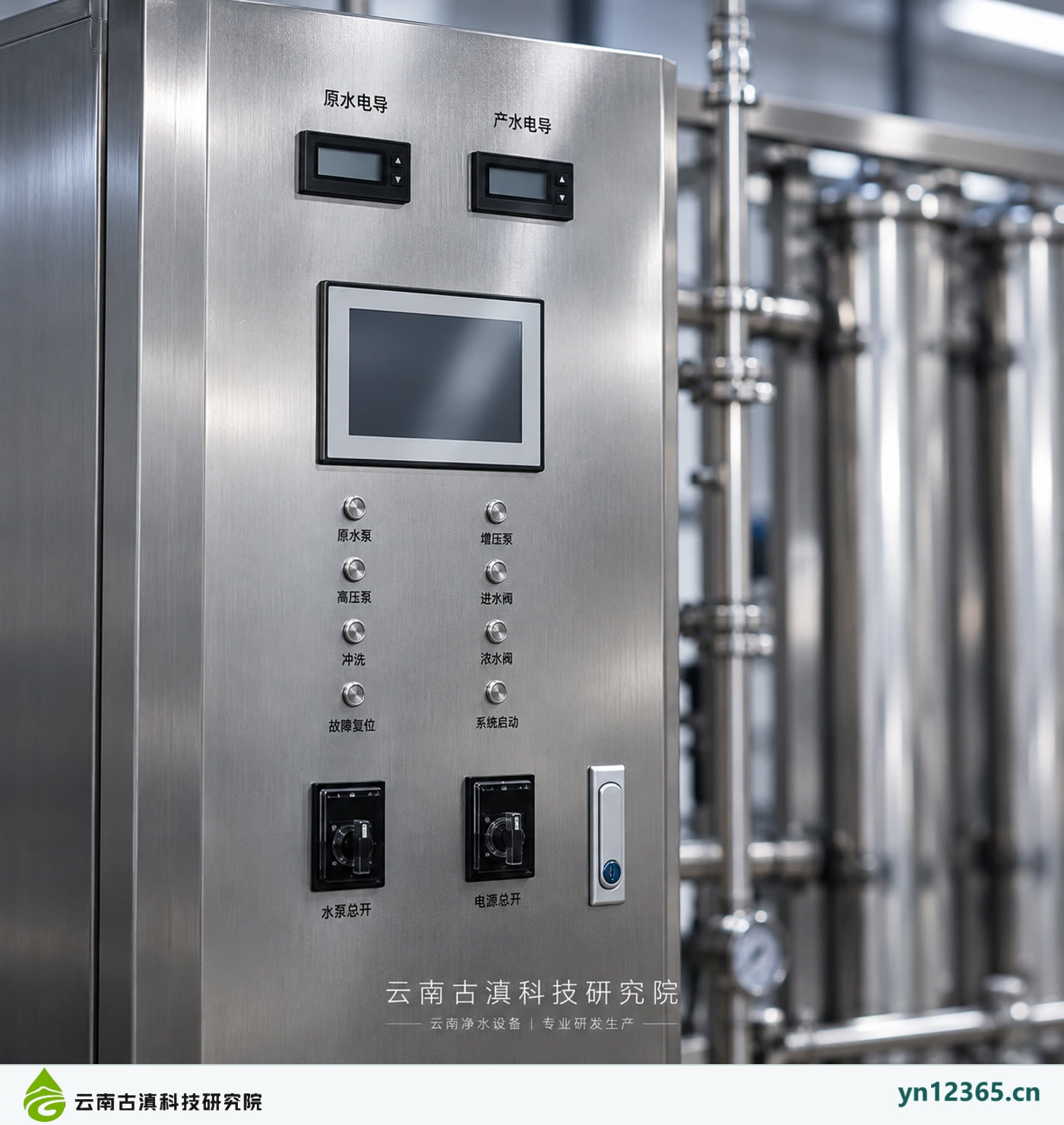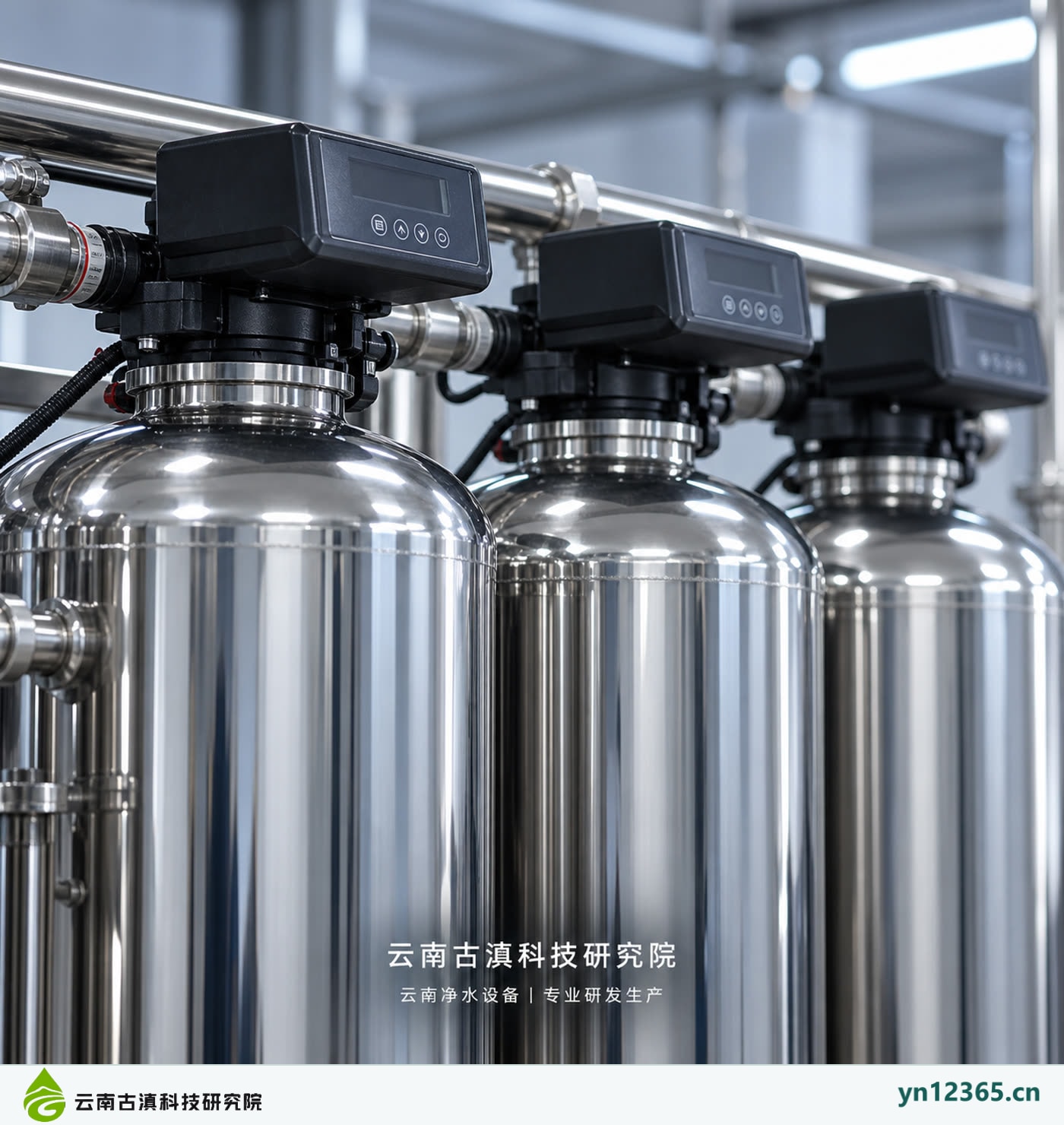
Features
Equipment selection and site document review
Define application conditions and responsibilities
Keep document versions and unresolved items
Applications
Specifications
| Requirement details | Raw water, intended use, demand, and site conditions |
|---|---|
| Implementation and acceptance | Based on applicable requirements and the confirmed scope |
Describe the requirements first
Check water treatment configurations against raw-water tests, treated-water use, operation, and site conditions. Altitude alone is not evidence of water quality, research achievements, or equipment performance.
Provide the project city, intended use, equipment or consumable information, and available documents. Record daily demand separately from peak demand. Relevant technical staff should check missing conditions; the appearance of water or a place name alone cannot determine a system design.
Confirm scope and responsibilities
Confirm the responsible parties, conditions, fees, and timing separately for supply, transport, installation and commissioning, testing, and ongoing management. Remote document discussions cannot replace all site work. Listing a region does not mean there is a local branch. The manufacturer, permits, or authorizations must match the specific model and documents.
Resources for the next step
Purchasing and maintenance resources
Prepared with AI assistance. This page supports document-based consultation; it does not guarantee water quality, financial returns, or service response times.
Additional documents to prepare
Check water temperature, raw-water tests, demand, and site arrangements together. Altitude or a place name alone cannot determine the configuration. Confirm supply, installation, and site services against the actual conditions of this project.
[RO membrane test conditions and site operation: why individual membrane permeate ratings cannot simply be added together](/en/articles/ro-membrane-test-and-field-conditions)
Yunnan projects: record altitude, water temperature and water quality separately
Altitude describes installation conditions, temperature is an input to membrane-system assessment, and water tests describe the specific source. These inputs are not interchangeable. Retain the minimum operating water temperature, source-water report, peak hourly demand, pump inlet pressure or water level, suction piping and power details. Technical personnel should then review the actual model and design conditions.
The DuPont membrane manual covers feed-water analysis and temperature correction; Grundfos guidance calls for comparing available and required NPSH. We use these references to prepare enquiry records, not to specify an uncalculated universal altitude derating factor or establish our system performance.
Membrane test and site conditions · Enquiry guides for Yunnan’s 16 areas
DuPont FilmTec technical manual, version 20 (August 2026) · Grundfos suction guidance
This section was added on 10 October 2026 using these general technical references. Technical personnel must confirm design and safe operation for the actual equipment.