
Technical articles and news
Understand the requirements for equipment selection and maintenance handover, and download practical checklists.
Technical articles and news 19957–64
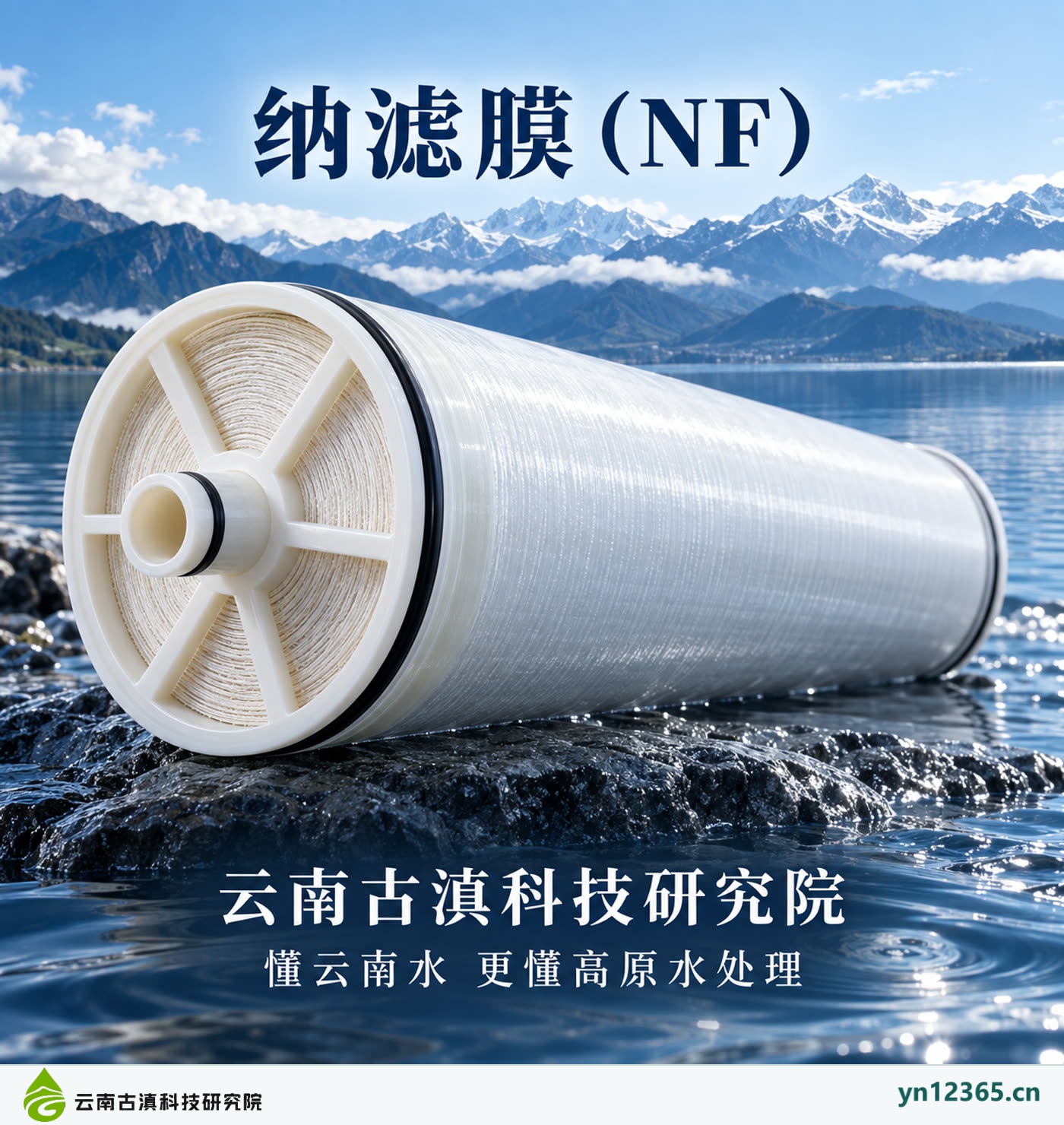
Evaluating NF membranes: target constituents and test conditions
A nanofiltration proposal must specify which constituents should be retained or reduced. Different nanofiltration products have different separation characteristics. Describing nanofiltration as between ultrafiltration and RO is not a sufficiently complete basis for selection.
View details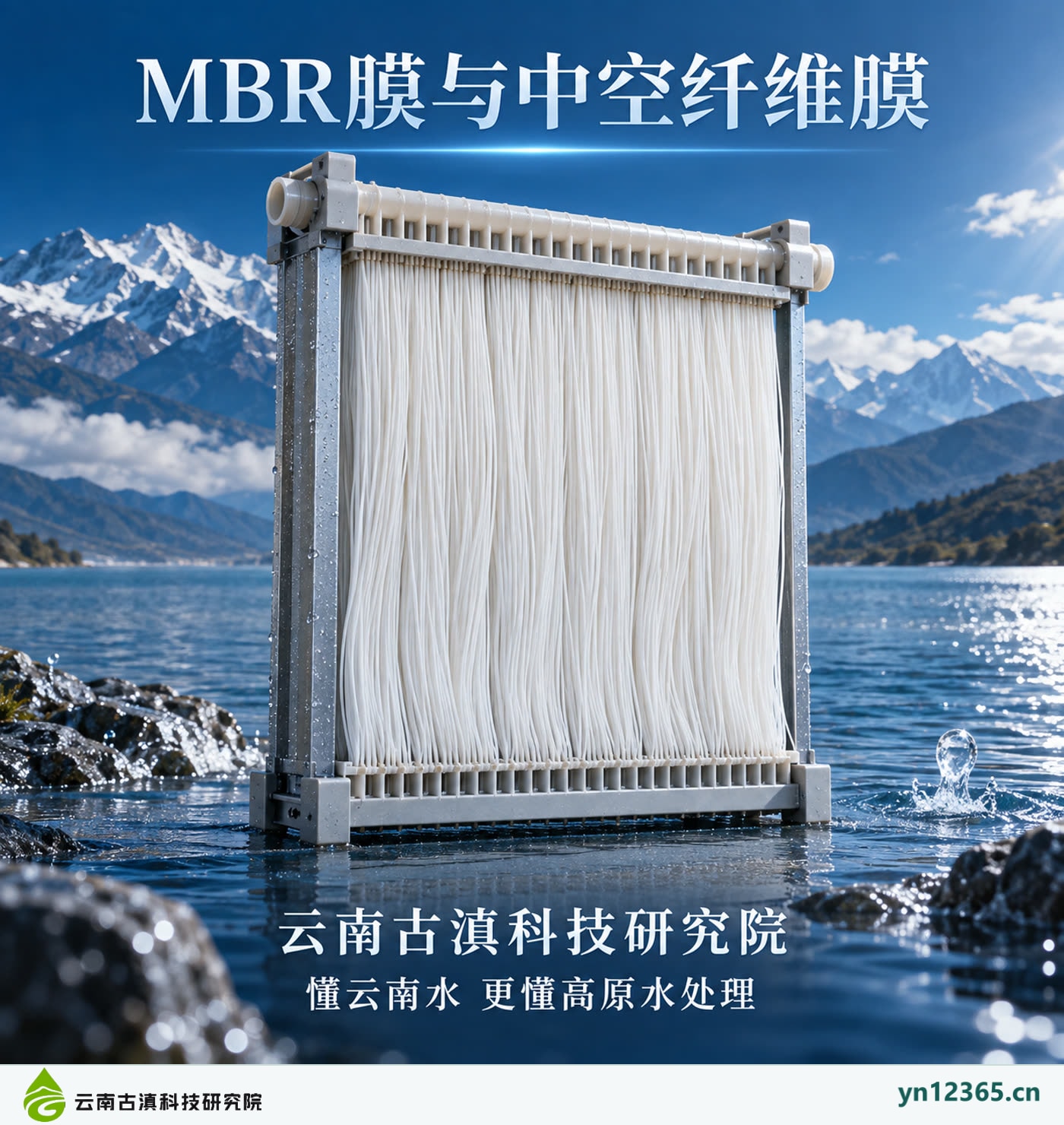
Replacing MBR modules: coordinating biological treatment and membrane maintenance
MBR membrane modules form part of a system integrated with biological treatment. Similar membrane element shapes or quantities do not mean direct replacement in an existing system is possible. First check supporting information on mixed liquor, aeration, connections, and suction.
View details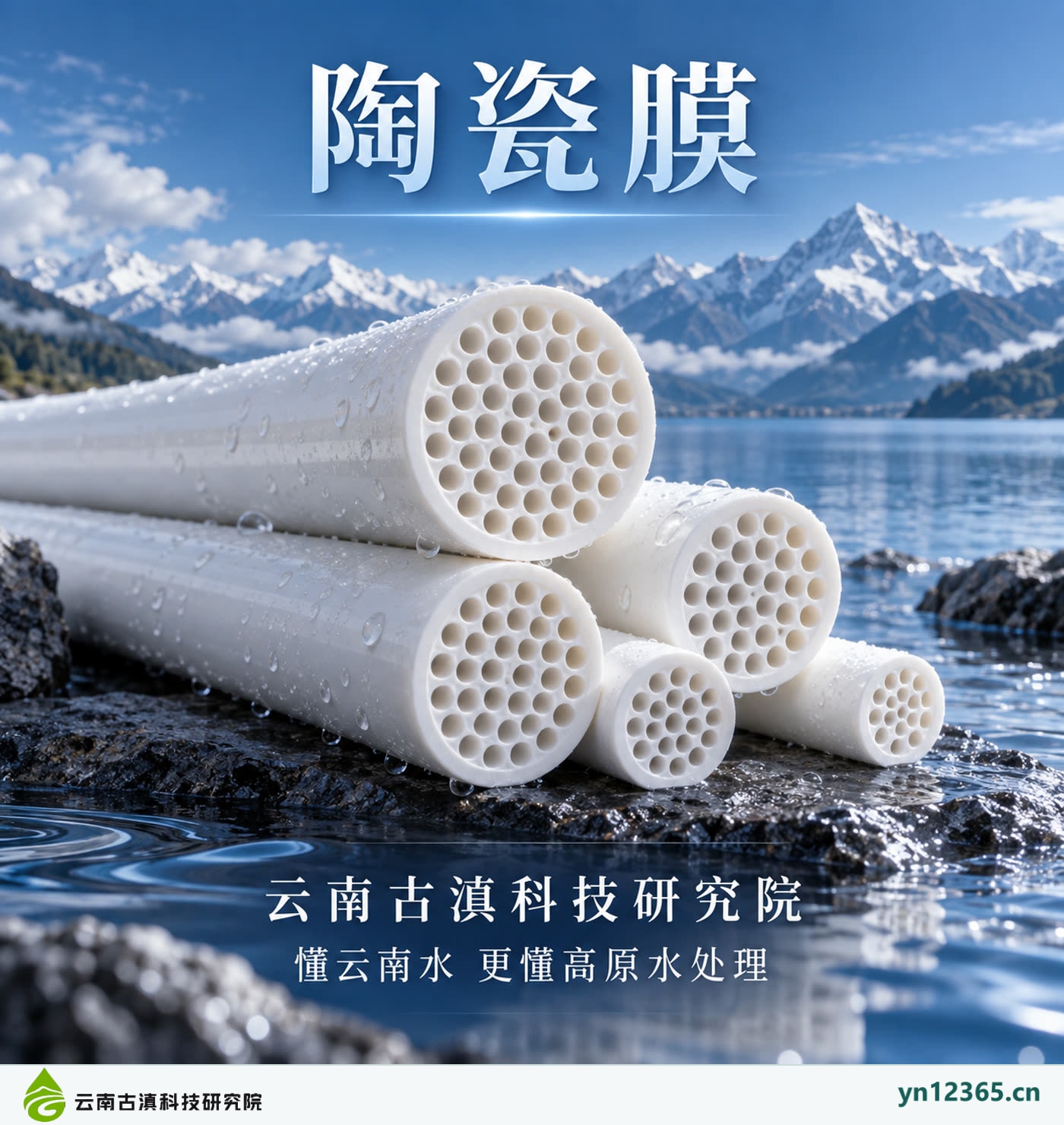
Choosing ceramic membranes: materials, pore size, and operating limits
Ceramic membrane suitability must correspond to specific materials, separation specifications, and fluid conditions. A particular model's tolerance range or case study cannot be extended to all ceramic membranes, nor support a promise of unlimited service life.
View details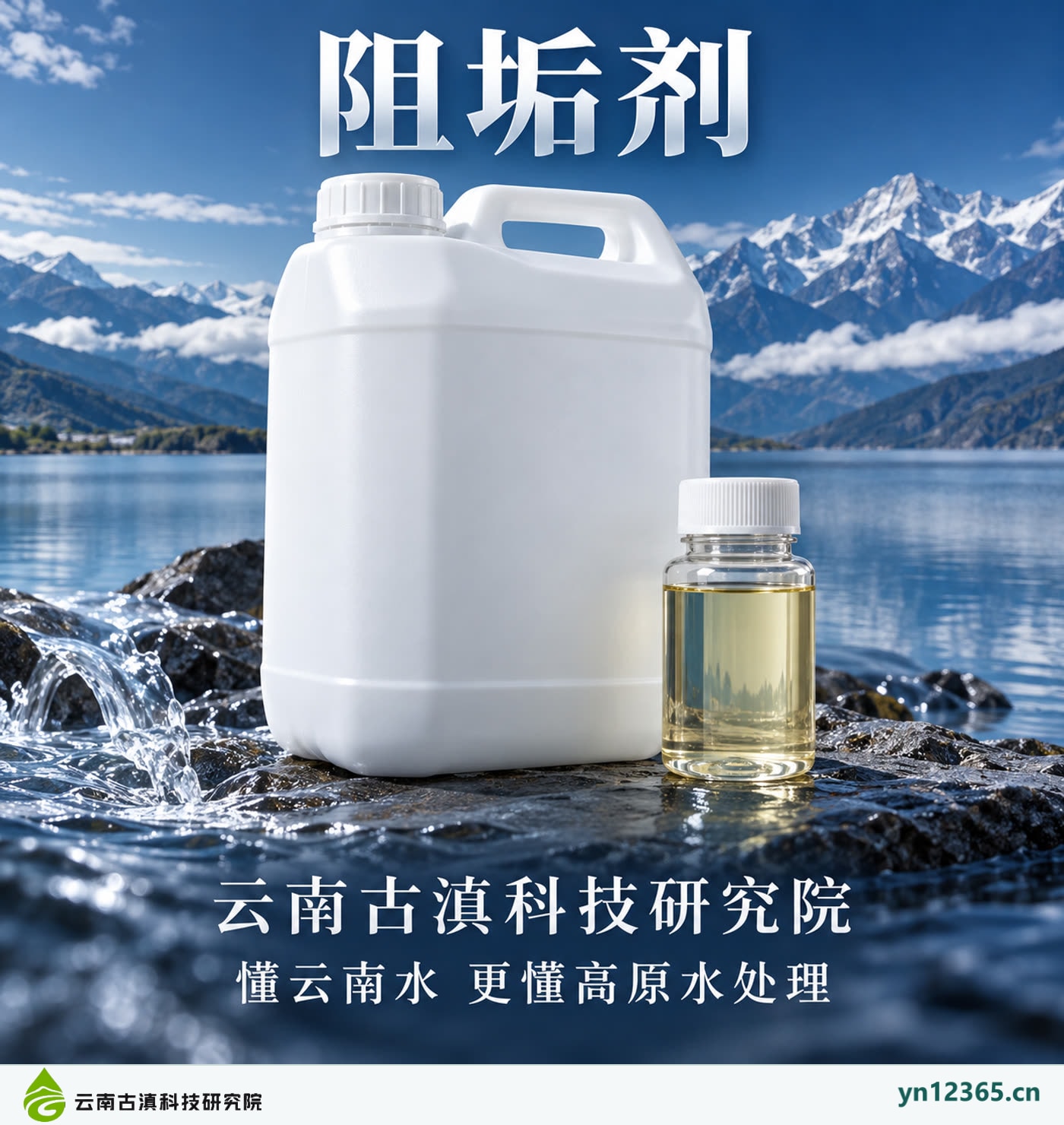
Choosing an RO antiscalant: raw water and concentration conditions first
Antiscalant selection involves raw water composition, system concentration conditions, and chemical compatibility. A product's name or color does not establish suitability, and one chemical cannot be promised to solve every scaling problem.
View details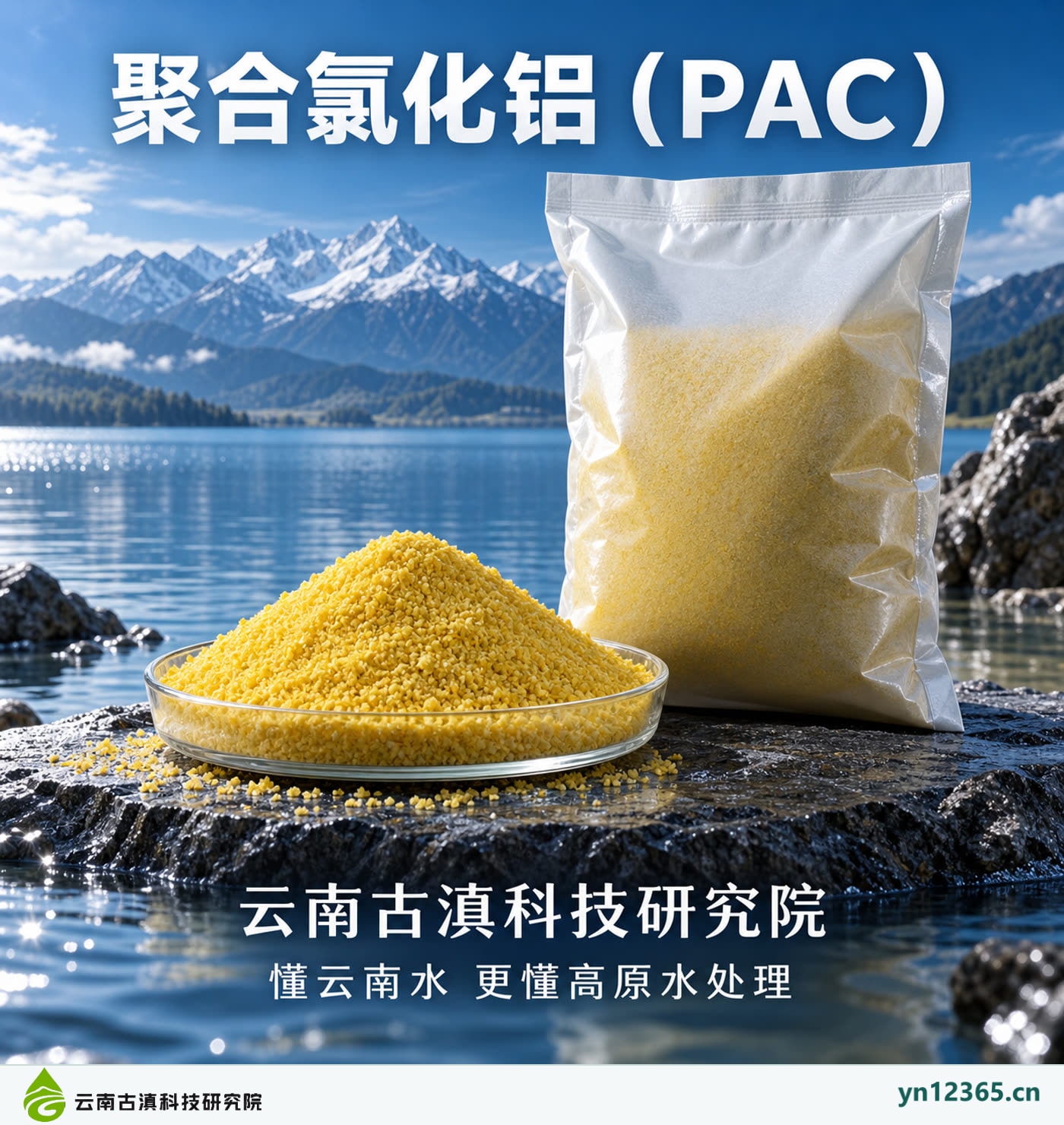
Buying PAC coagulants: comparing applications, batches, and test documents
Polyaluminum chloride is used for the corresponding coagulation treatment duties. Selection must distinguish the actual use and product documentation. Color, a description of content, or price alone cannot establish treatment results.
View details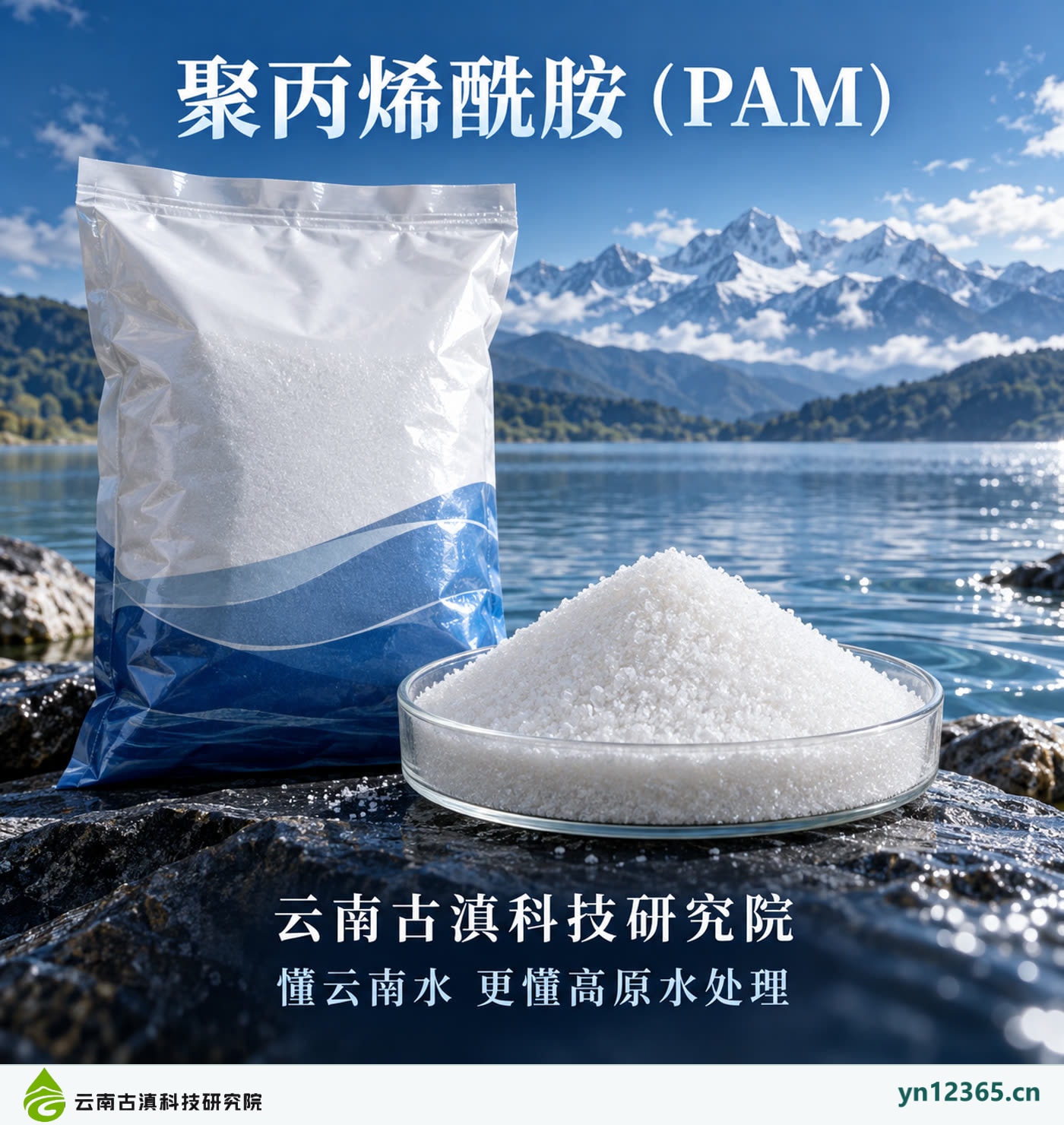
Choosing PAM flocculants: matching type, process, and safety documents
Polyacrylamide selection should not rely solely on the name PAM. Product type, treatment fluid, supporting process, and conditions of use should be confirmed together. Do not treat the quantity used in another project as a universal formulation.
View details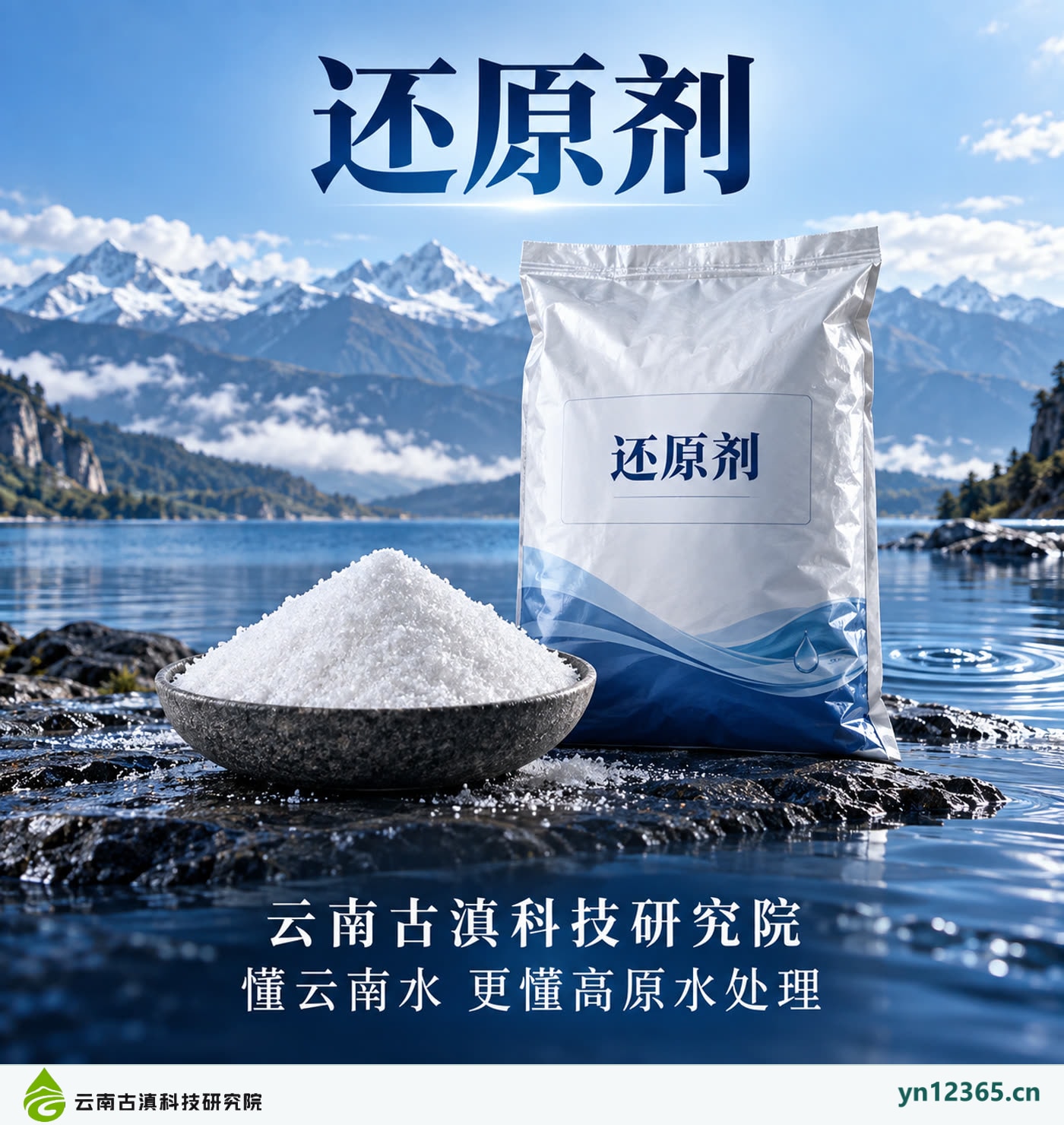
Reducing agents in membrane systems: dechlorination requirements and compatibility
Reducing agents can perform corresponding chemical treatment duties in specific processes. Distinguish dechlorination upstream of membranes from other reduction treatments. Chemical dosage, color, or equipment appearance cannot establish that protective conditions have been achieved.
View details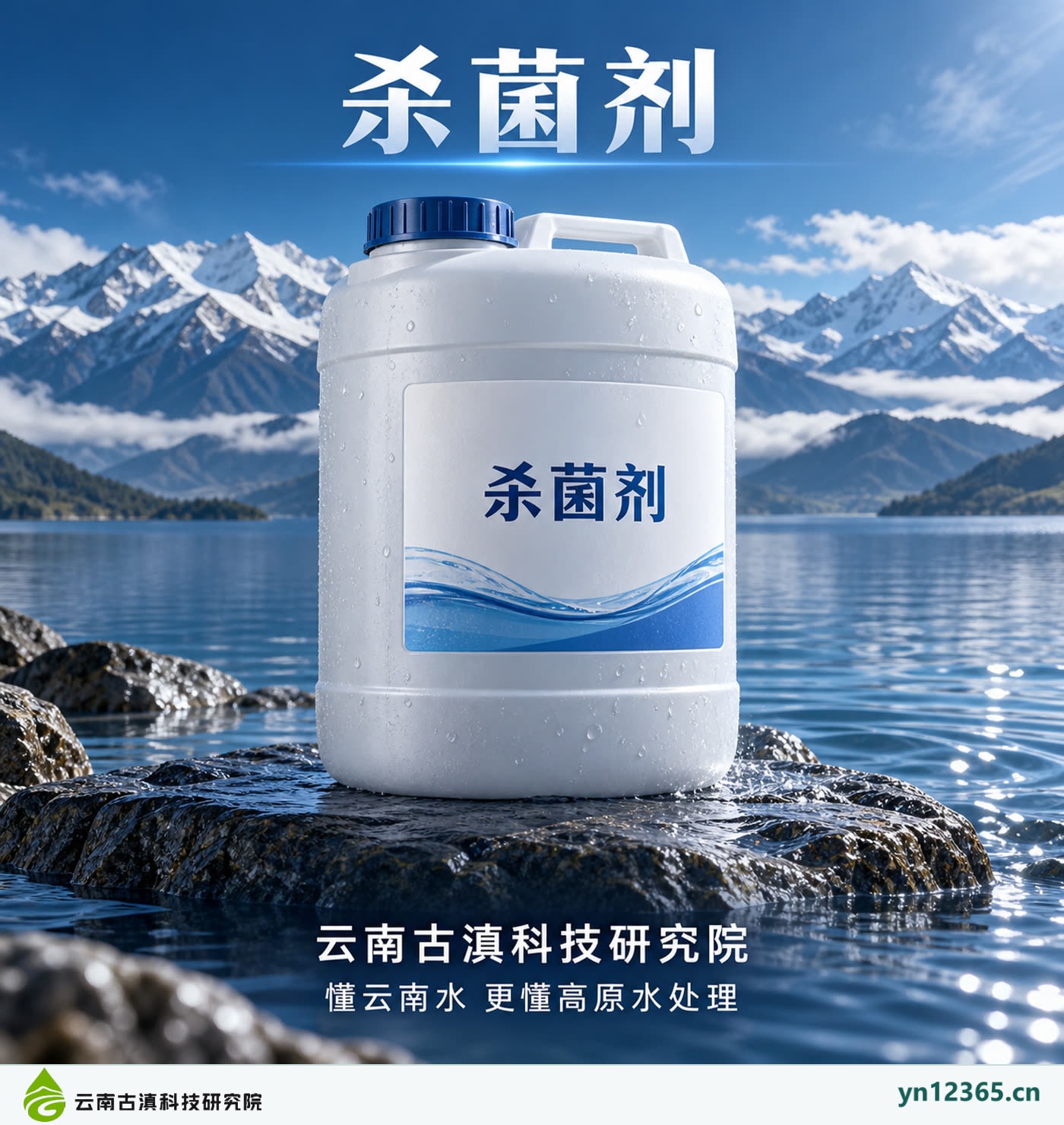
Choosing water treatment biocides: permitted uses, materials, and site management
Water treatment biocides must suit the specific fluid, equipment materials, and treatment use. Application evidence for industrial systems and drinking water systems needs separate checks. A product name is not permission to use it in any setting.
View detailsTell us about your water needs
Describe your water source, intended use, and water demand so technical staff can prepare advice.