
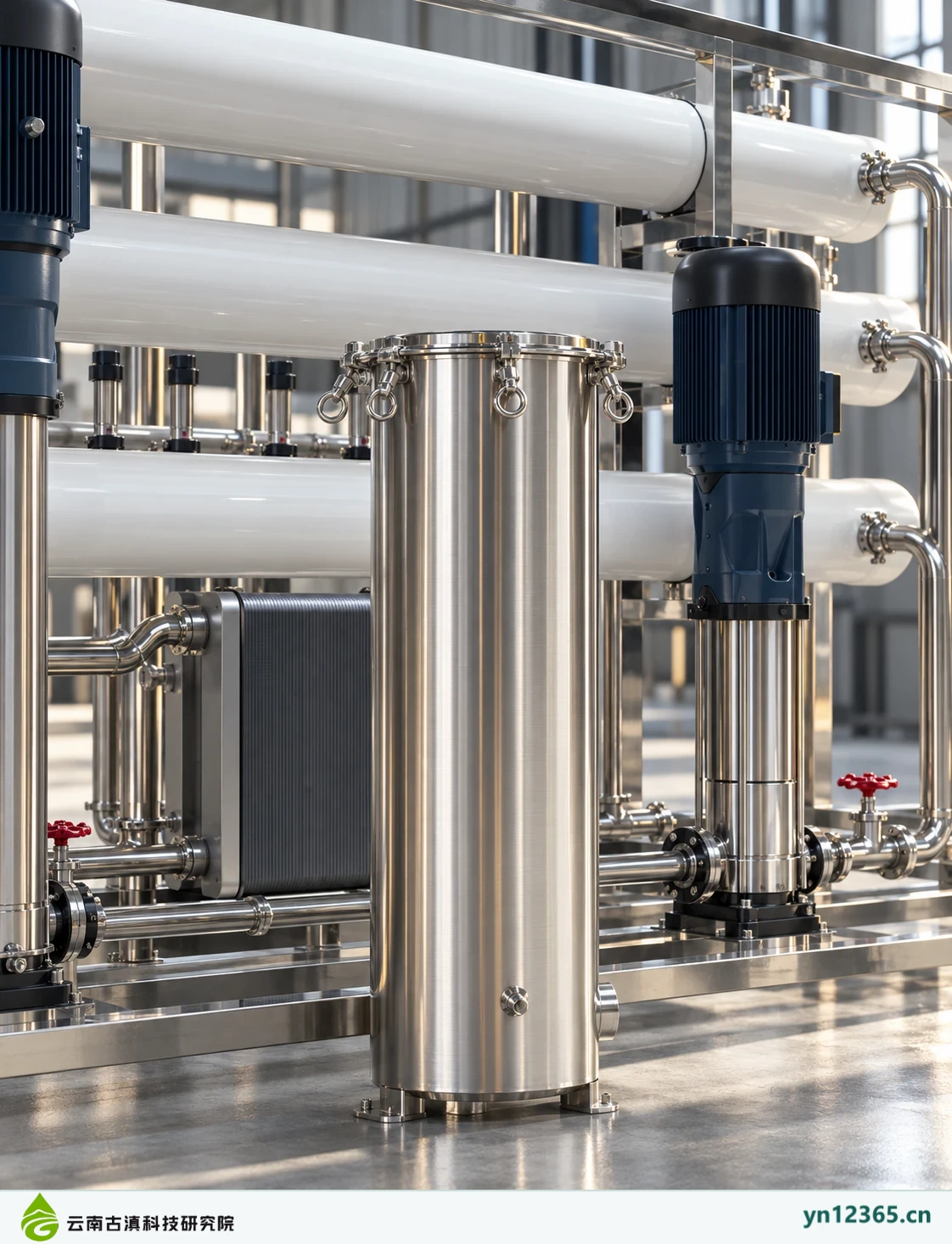
Piping modification records should let later maintenance personnel understand retained and added connections and the reasons for changes. Completion photographs alone omit the medium, connections, and allowable conditions.
Save original connection information first
Obtain process diagrams and piping, valve, fitting, and seal documentation, and mark actual applications. Do not fill in materials or ratings that photographs cannot confirm.
Define the scope of new connections
Describe tasks and supply and installation responsibilities separately for bypasses, drainage, sampling, and other actual connections. Confirm mounting and space against engineering documentation. The article provides no construction parameters.
Review adjacent equipment together
Check impacts on pumps, vessels, instruments, and controls. A modification assessment must cover more than the new piping section.
Link return-to-service checks to the new version
Arrange checks for the specific site and documentation. Update process diagrams, connection schedules, and operating handover records. Valve status must match the task at the time.
Organize information into an inquiry that can be checked
List available documents, missing items, and questions requiring confirmation for this inquiry, using the same equipment or project version. Remove unrelated personal information from site materials first. Retain original sources. Do not enter illustrations or unreviewed inferences as facts.
Equipment and consumables information navigation · Contact technical personnel
Scope of this information:Compiled on 4 October 2026 from the available equipment-themed material. Equipment images are AI-assisted illustrations. This page presents possible configurations and is not evidence of a specific model, supply list, test approval, licence or completed project. The actual model, operating conditions and intended use must be confirmed against the relevant documentation. Prices, warranty and installation scope are subject to the written agreement for each order.