More resources
Preparing investigation records for yellow water or unusual odors
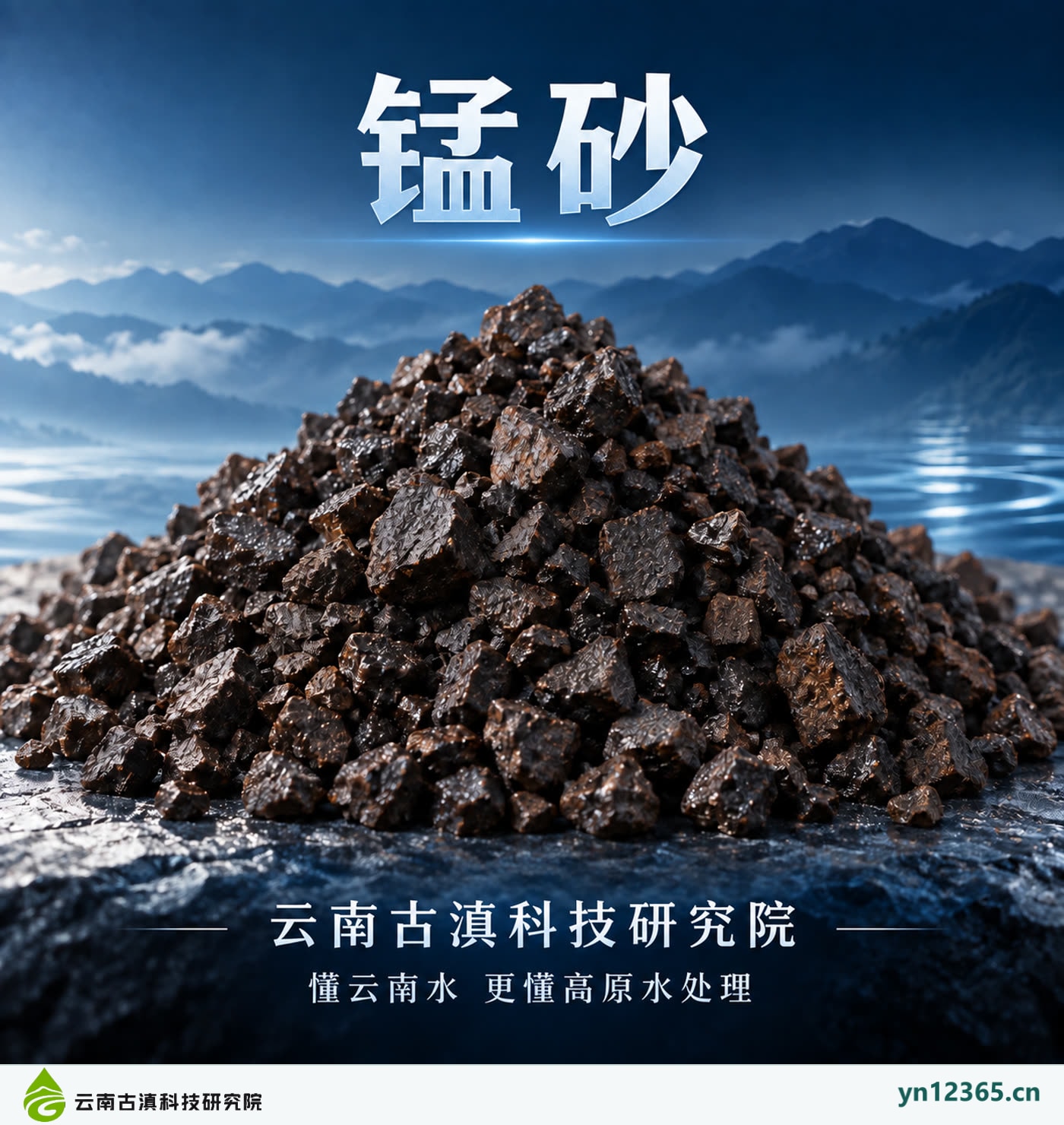
Color and odor alone cannot identify contaminants or establish that iron or manganese limits have been exceeded.
Read the guide
Understand the requirements for equipment selection and maintenance handover, and download practical checklists.
Knowledge & resources 179100–108
Color and odor alone cannot identify contaminants or establish that iron or manganese limits have been exceeded.
Read the guide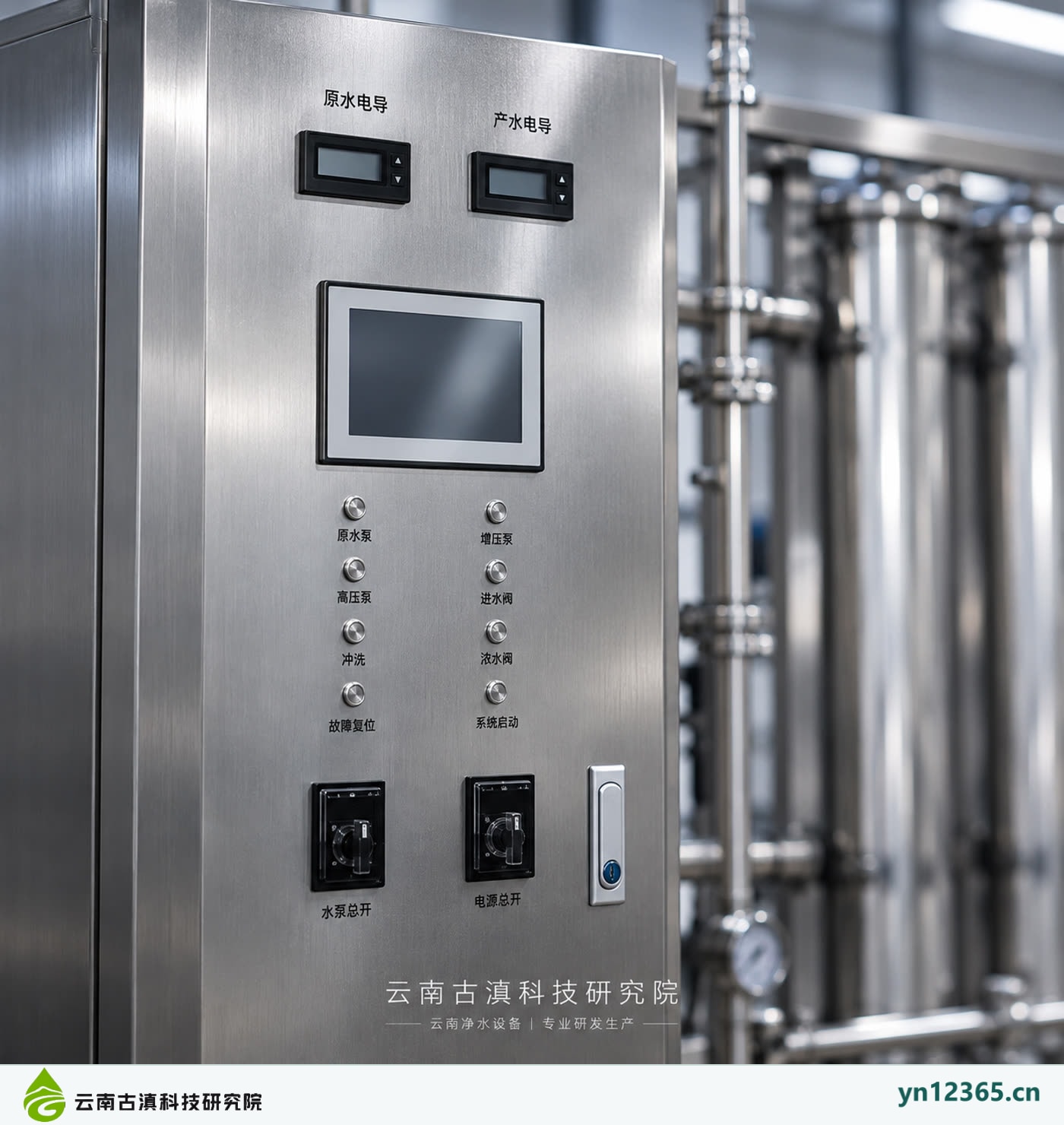
Boiler water requirements must match the relevant equipment and applicable requirements. General parameters cannot replace specific documentation.
Read the guide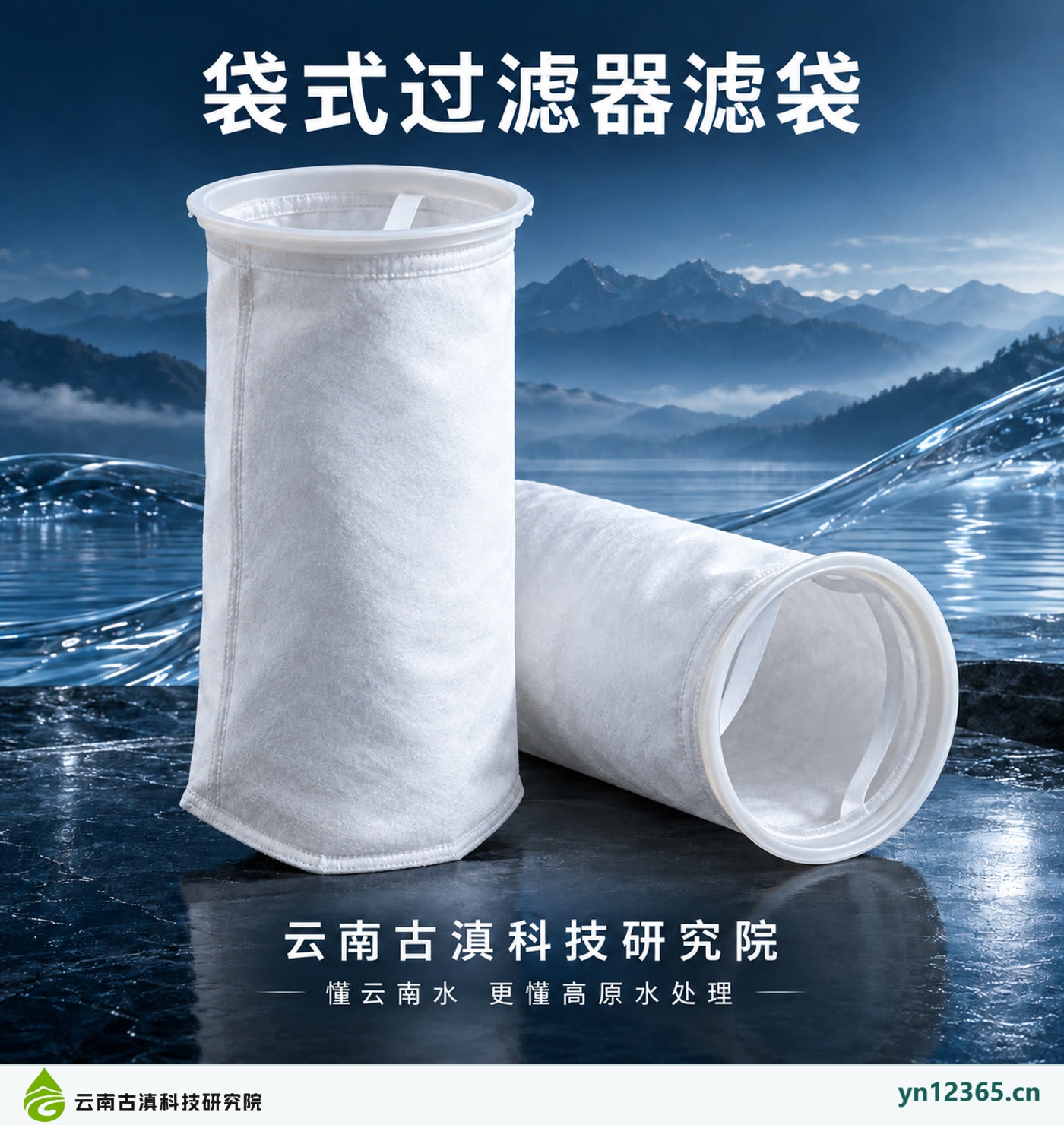
Use water-source data, emitter requirements, filter differential pressure and backwash records to compare the roles of media, disc and screen filters and prepare information for investigating clogging or uneven emitter performance.
Read the guide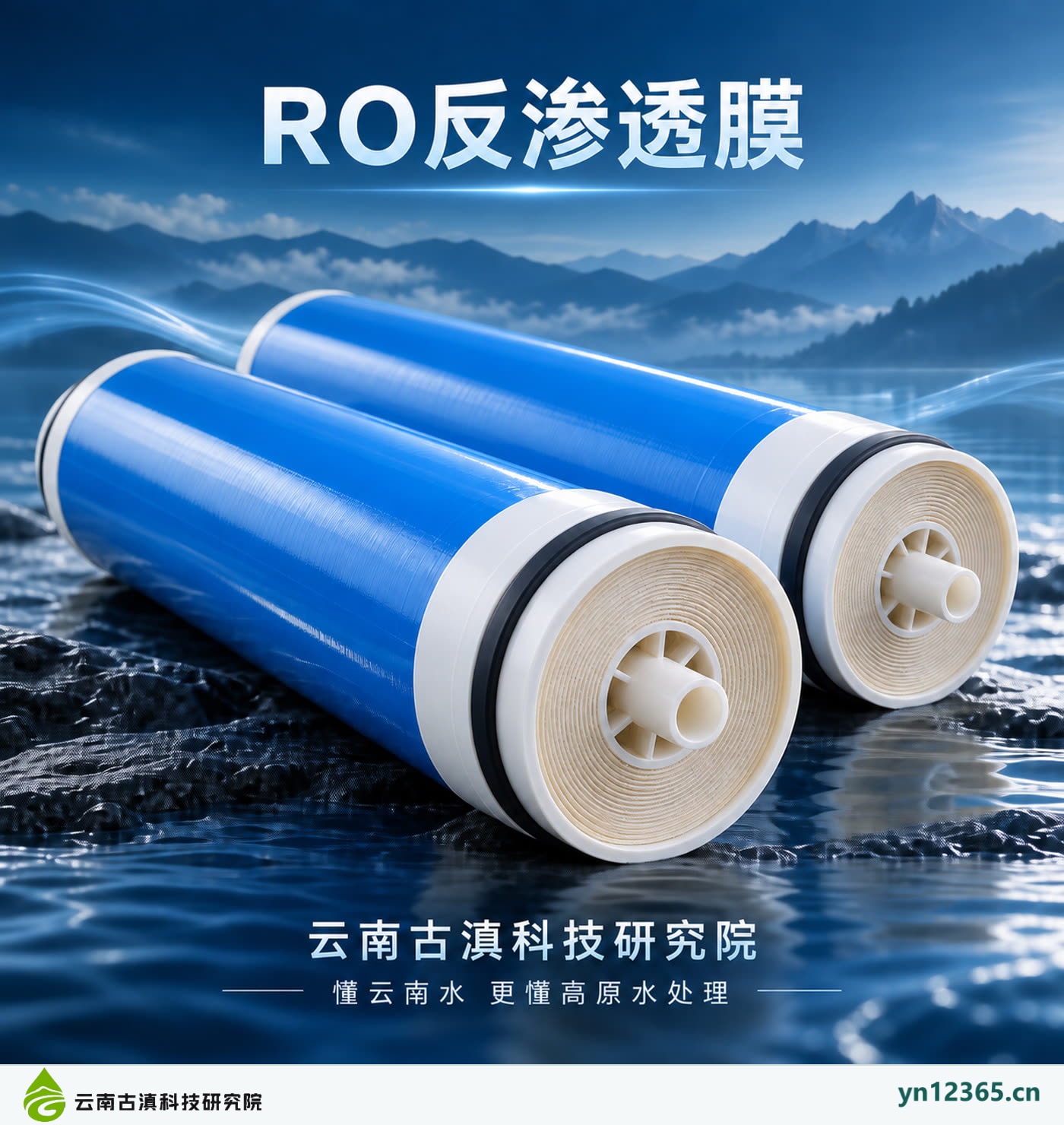
Keep three sets of RO records: the normal baseline, the fault condition and the check after corrective work. Record water temperature, pressure, flow and sampling points consistently. Separate observations from conclusions about causes before discussing cleaning or membrane replacement.
Read the guideTested water production in reverse osmosis membrane documents must be understood together with the test solution, water temperature, pressure, and recovery rate. System selection requires checks of the current raw water and membrane arrangement. Laboratory data for one element cannot be treated directly as a whole-system guarantee.
Read the guideSoftening equipment primarily addresses hardness. Hardness tests and TDS meter readings cannot replace each other. Resin, control valves, brine tanks, and regeneration drainage must be checked together.
Read the guideAutomatic purge functions must correspond to the specific structure, filter bag, control method, and drainage conditions. Bag filtration is a particle-treatment stage. It does not establish desalination, disinfection, or compliance of the complete system.
Read the guideThe water requirements for linen washing, hot water, and drinking water cannot be merged into one set of criteria. Consult the instructions for each piece of equipment first, then check raw water, hardness, demand, and site service scope.
Read the guideGuest-room drinking water cannot be checked only at the main-unit outlet. Production, storage, circulating piping, and points of use all need corresponding design, cleaning, testing, and management responsibilities.
Read the guideGeneral resources prepared with AI assistance. Check the specific model, operating conditions, test evidence, supply and services individually. These resources do not replace product instructions, engineering design or site operating procedures.
FAQ ↗